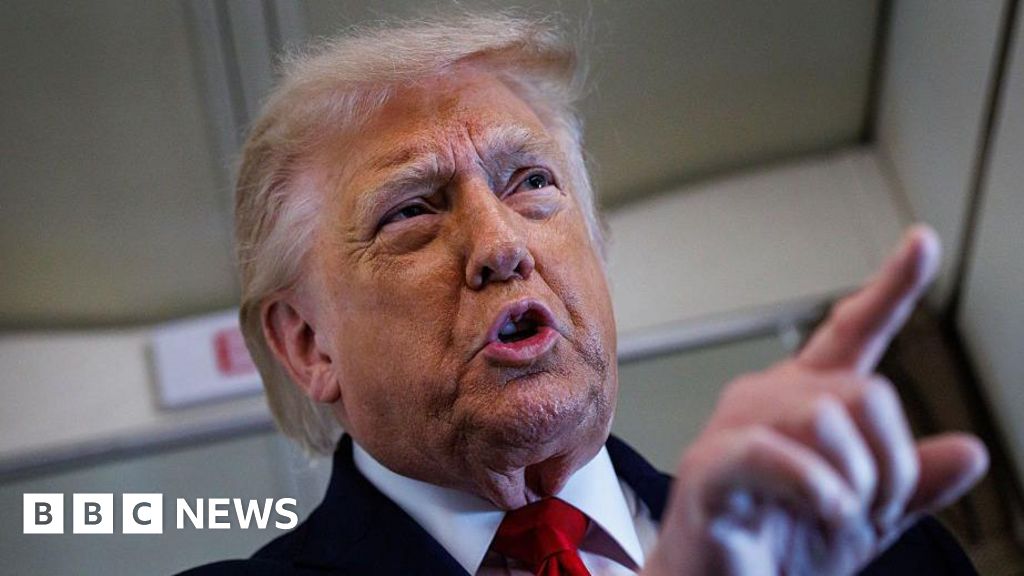
President Donald Trump has signaled that the United States is prepared to take significant action against Iran, stating the country will “have to pay the price” if it continues to delay negotiations regarding a new nuclear deal. The warning, issued during recent remarks, follows heightened tensions in the Middle East and explicit threats of retaliation from Tehran in response to potential military engagements.
The current diplomatic impasse centers on the long-standing efforts to revive or replace the 2015 Joint Comprehensive Plan of Action (JCPOA), which the U.S. withdrew from in 2018. According to reports from Reuters, the administration’s rhetoric underscores a hardening stance as the White House seeks to leverage economic sanctions and military posturing to force a shift in Iranian regional policy and nuclear development.
The Context of Rising U.S.-Iran Tensions
The relationship between Washington and Tehran remains characterized by a cycle of provocation and reciprocal warnings. Following the 2018 U.S. withdrawal from the nuclear accord, the administration implemented a policy of “maximum pressure,” which involved re-imposing sweeping economic sanctions on Iran’s oil and financial sectors, as documented by the U.S. Department of the Treasury. Tehran has responded by incrementally scaling back its compliance with the original agreement’s enrichment limits, a move that international observers note has significantly shortened the timeframe required for Iran to produce fissile material.
Recent escalations are not isolated incidents but part of a broader regional competition. The U.S. has consistently cited Iranian-backed militias and ballistic missile testing as primary threats to regional stability. Conversely, Iranian officials, including spokespeople for the Islamic Revolutionary Guard Corps (IRGC), have maintained that any U.S. military strike on Iranian soil would be met with a direct and severe response, aimed at both U.S. assets and regional allies.
Diplomatic Impasse and Negotiation Stalls
The core of the current friction is the perceived lack of progress in securing a comprehensive deal. While the U.S. insists that Iran is intentionally stalling to gain leverage, Iranian leadership has repeatedly stated that the onus is on the United States to provide guarantees that any new agreement will be honored by future administrations. This lack of mutual trust has stalled formal talks in Vienna for extended periods, as noted in analyses by the Council on Foreign Relations.
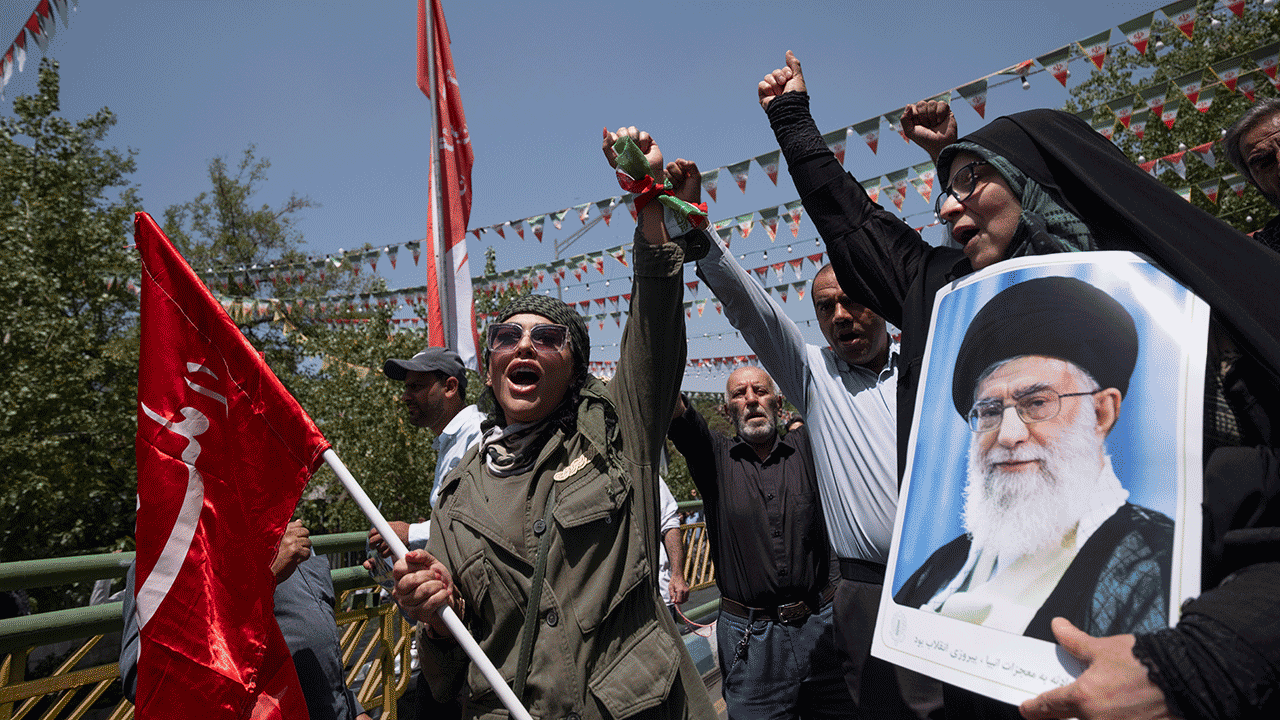
The administration’s assertion that Iran will “pay the price” suggests a pivot toward more aggressive enforcement of existing sanctions or a potential re-evaluation of military options. For the global market, this uncertainty has historically contributed to volatility in oil prices, as traders weigh the possibility of supply disruptions in the Strait of Hormuz, a critical maritime chokepoint for global energy shipments.
Regional Impact and Global Security
The stakes of this standoff extend far beyond the two nations. Regional powers, including Saudi Arabia and Israel, have expressed deep concern over Iran’s nuclear trajectory and its influence in Iraq, Syria, and Lebanon. According to the International Atomic Energy Agency (IAEA), the agency continues to monitor Iran’s nuclear program, though inspectors have faced increasing restrictions on their access to certain sites, further complicating international efforts to verify compliance.
Human rights organizations and regional analysts emphasize that the civilian population in Iran bears the brunt of the economic pressure resulting from these geopolitical maneuvers. With inflation rates soaring and access to international banking severely restricted, the humanitarian impact is a significant component of the debate regarding the efficacy of the current U.S. strategy.
What Happens Next
The international community is now looking toward the next meeting of the United Nations Security Council, where the status of the nuclear file is expected to be a primary topic of discussion. While no specific date for a new round of direct negotiations has been announced, diplomatic channels remain open through intermediaries in Oman and Qatar, who have historically facilitated communication between the two adversaries.
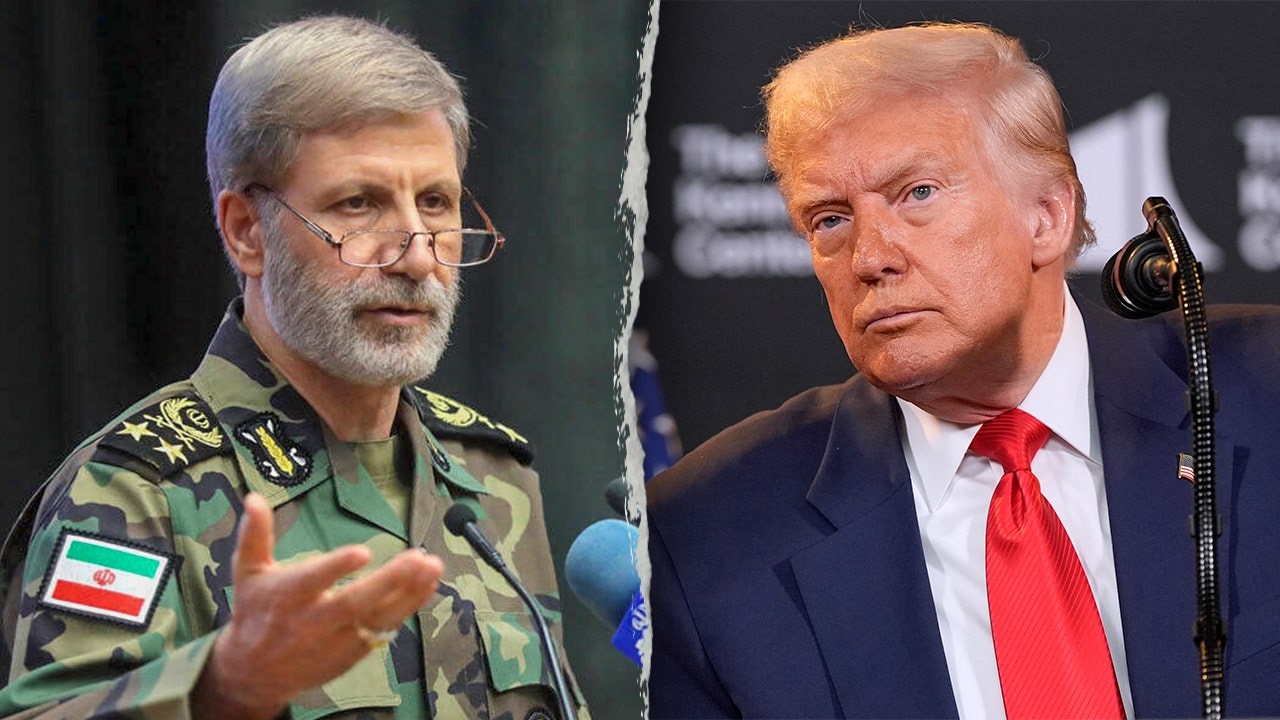
Observers suggest that the coming weeks will be critical in determining whether the rhetoric remains in the realm of political theater or if it precedes a tangible shift in military or economic policy. The administration has not provided a specific deadline for its ultimatum, leaving the international community to monitor official statements from the White House and the Iranian Ministry of Foreign Affairs for signs of de-escalation or further hardening of positions.
For ongoing updates on this situation, readers are encouraged to monitor official briefings from the U.S. Department of State and the IAEA. We invite our readers to share their perspectives on these developments in the comments section below.
Keep reading
- Malaria Mosquitoes Now Resistant to All Insecticides: Scientists Race for a Solution
- Deadly Cyclospora Outbreak Linked to Mexican Lettuce Spreads in the US
- Khamenei warns Iranian president Pezeshkian over resignation threats (archyde.com)
- Dengue Fever Alert: Miami-Dade Confirms Case and Warns of Symptoms (time.news)