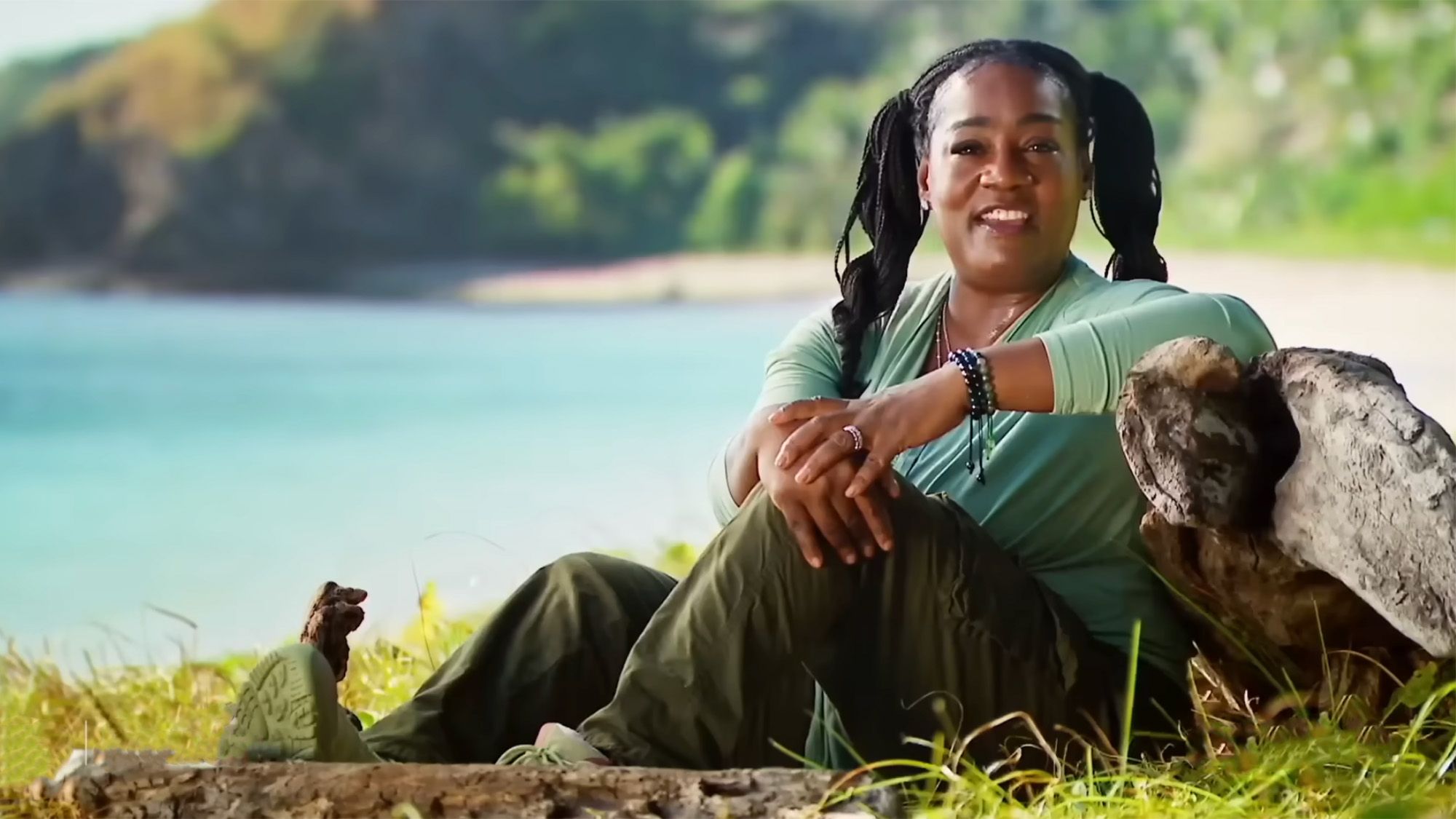
Fans of reality television have long speculated about the proximity of production sets, but recent reports confirm that the Fiji-based filming locations for Survivor and Love Island USA are close enough for sound to travel between the two camps. Viewers have begun piecing together the reality of this geographic overlap, noting that contestants on both CBS-affiliated programs have occasionally been able to hear the audio from neighboring sets.
The realization follows years of production history in Fiji, where the Mamanuca Islands have served as a recurring hub for major reality series. While both shows are managed under the broader umbrella of CBS entertainment production—with Survivor airing on CBS and Love Island USA currently streaming on Peacock after moving from its original CBS home—the logistics of filming in the same remote archipelago have led to unexpected acoustic crossover, according to interviews with production staff published by Entertainment Weekly.
How Proximity Impacts Reality Production
The geographic overlap occurs because both productions utilize the infrastructure provided by the Fijian government for large-scale media projects. Survivor has filmed nearly every season since 2016 in the Mamanuca Islands, a region known for its remote beaches and logistical accessibility for international crews. As noted by Variety, the use of a shared production hub in Fiji allows networks to leverage existing housing, catering, and permit agreements, significantly reducing the cost of transporting equipment to isolated areas.
However, this efficiency creates a unique challenge for audio engineers. Because the islands are relatively small, the sound of music, shouting, or production machinery from a Love Island villa party can occasionally carry across the water to a Survivor tribal council site or challenge arena. Producers have confirmed that these ambient noise issues require careful scheduling and, in some cases, re-recording of dialogue to ensure the shows maintain their distinct identities.
The Shared Logistics of CBS-Affiliated Shows
The overlap between these shows is largely a result of the “hub-and-spoke” model of reality television production. By centralizing operations in Fiji, production companies like SEG (Survivor Entertainment Group) can maintain a permanent footprint that benefits multiple shows. According to reporting from The Hollywood Reporter, this setup provides a consistent labor force and reliable supply chains, which are essential when filming in a tropical environment that is susceptible to extreme weather events like cyclones.
While the shows share geographic space, they operate under entirely different production mandates. Survivor focuses on a high-stakes, survival-based competition, while Love Island focuses on interpersonal relationships and social dynamics. The auditory bleed-over is generally treated as a technical nuisance rather than a narrative element. Production teams typically coordinate via radio to ensure that loud events, such as a Love Island “re-coupling” ceremony or a Survivor challenge, do not occur simultaneously if the sets are within earshot.
What This Means for Future Seasons
As reality television continues to expand, the trend of co-locating productions is expected to continue. The environmental impact of maintaining two separate, massive production footprints in different parts of the world is often greater than utilizing a single, well-established hub. By staying in Fiji, the networks minimize the carbon footprint associated with shipping production gear and housing hundreds of staff members, according to data provided by the Fiji Times regarding the local film industry’s economic and logistical footprint.


For the average viewer, this knowledge provides a deeper look into the “fourth wall” of reality TV. It serves as a reminder that these shows, despite their polished presentation, are filmed in active, shared environments where the isolation is often a matter of camera angles rather than true geographic distance. Production crews are currently preparing for upcoming seasons, with no reported plans to move either franchise from the Fijian islands for the foreseeable future.
Official updates regarding the next filming cycles for Survivor and Love Island USA are typically released by their respective networks via press statements approximately three months before a premiere. Readers interested in the technical aspects of reality television production can monitor the official Survivor website or the Peacock streaming portal for upcoming season announcements and casting calls. We encourage you to share your thoughts on this intersection of reality TV production in the comments section below.
Worth a look