Sofia, Bulgaria – The specter of military conflict between the United States and Iran loomed large on Thursday, February 19, 2026, as reports emerged indicating the U.S. Military is prepared to launch a strike against Iranian targets as early as this weekend. However, the final decision rests with President Donald Trump, who, according to multiple sources, has yet to authorize such action. The situation remains fluid, with ongoing diplomatic efforts attempting to salvage the 2015 nuclear agreement, a deal Trump unilaterally withdrew the U.S. From in 2018.
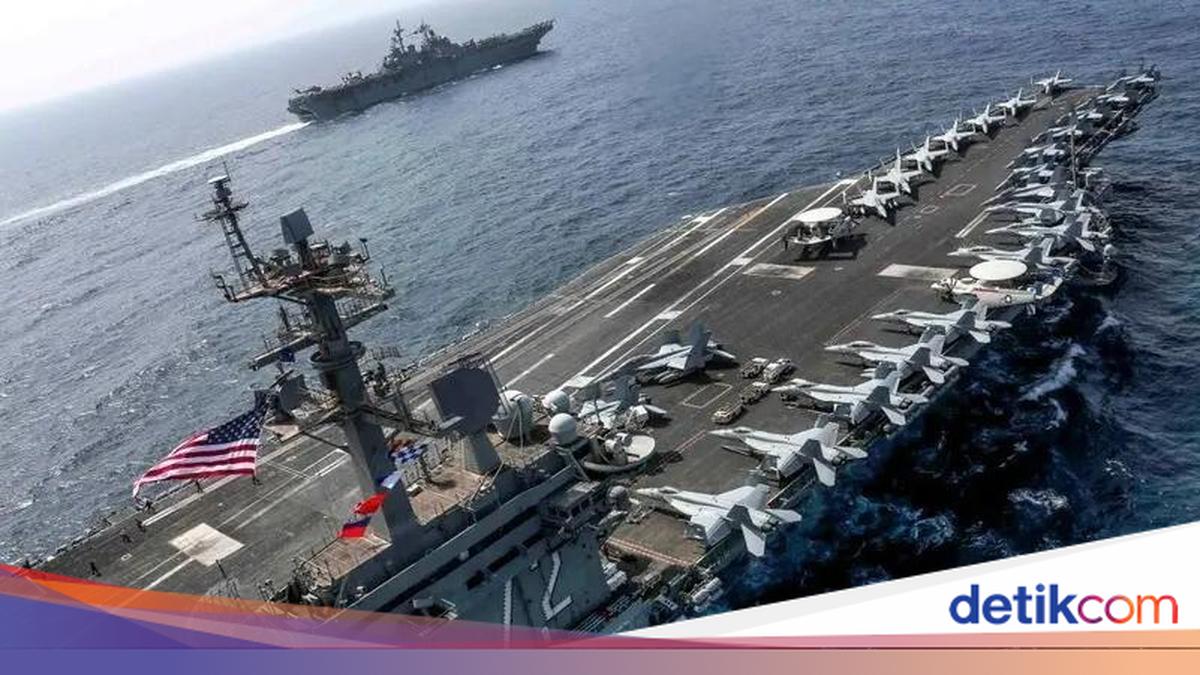
The escalating tensions follow a pattern of heightened rhetoric and military posturing from both Washington and Tehran. The U.S. Has significantly increased its military presence in the Middle East in recent days, deploying warships, fighter jets, and aerial refueling aircraft, signaling a clear readiness for potential military engagement. This build-up, coupled with Trump’s repeated threats of military action if negotiations fail to yield a new nuclear accord, has fueled concerns about a wider conflict in the region. The potential for miscalculation and unintended consequences remains a significant worry for international observers.
According to reports from CNN and CBS News, as cited by multiple news outlets, the Pentagon has briefed the White House on its readiness to execute a strike. While the timing remains uncertain, the possibility of action before the end of the week is very real. The situation is further complicated by internal debate within the Trump administration, with the President reportedly weighing arguments both for and against military intervention, seeking counsel from advisors and allies. This internal deliberation underscores the gravity of the potential decision and the far-reaching implications of any military action.
Diplomatic Efforts Continue Amidst Military Preparations
Despite the heightened military readiness, diplomatic channels remain open. Negotiations between U.S. And Iranian representatives, facilitated by Oman, took place in Geneva, Switzerland, on Tuesday, February 17, 2026. While these talks, described as “indirect” negotiations, lasted for 3.5 hours, they concluded without a definitive breakthrough. Iranian negotiators reportedly agreed on a “series of guiding principles,” while a U.S. Official indicated that “many details” still need to be resolved.
The core issue at the heart of the negotiations revolves around the future of Iran’s nuclear program. The U.S. Seeks to reimpose stricter limitations on Iran’s nuclear activities, while Iran demands guarantees that the U.S. Will adhere to any new agreement and lift economic sanctions imposed following Trump’s withdrawal from the Joint Comprehensive Plan of Action (JCPOA), commonly known as the Iran nuclear deal. The JCPOA, originally signed in 2015 by Iran, the U.S., and several other world powers, aimed to prevent Iran from developing nuclear weapons in exchange for sanctions relief.
White House Weighs Options, Trump Seeks Counsel
The White House, according to sources cited by CNN, has been fully informed of the military’s preparedness. President Trump has been receiving briefings from key national security officials, including Special Envoy for the Middle East Steve Witkoff and his son-in-law, Jared Kushner, regarding the progress of the indirect talks in Switzerland. The President’s decision-making process appears to be characterized by a degree of uncertainty, with reports suggesting he has personally argued both for and against military action.
White House Press Secretary Karoline Leavitt stated on Wednesday, February 18, 2026, that Iran is expected to provide further details regarding its negotiating position “in the coming weeks.” However, Leavitt did not indicate whether Trump would postpone military action during this period. She reiterated the President’s preference for diplomacy but acknowledged that military options remain on the table. “The President has always been very clear, with respect to Iran or any country in the world, diplomacy is always his first choice, and Iran would be wise to make a deal with President Trump and this administration,” Leavitt said.
Military Assets Positioned for Potential Strike
The deployment of U.S. Military assets in the region is substantial. In addition to the USS Abraham Lincoln aircraft carrier strike group already in the area, the USS Gerald R. Ford – the U.S. Navy’s most advanced aircraft carrier – is reportedly en route to the Middle East and could arrive as early as this weekend. This further underscores the seriousness of the situation and the U.S.’s commitment to maintaining a credible military threat. The positioning of these assets is a standard procedure ahead of potential military operations, but it also serves as a clear signal to Iran.
Potential Consequences of Military Action
Any military strike against Iran carries significant risks, including the potential for escalation and a wider regional conflict. Iran has repeatedly warned that it would retaliate against any attack on its territory, and its proxies in the region – including Hezbollah in Lebanon and various Shia militias in Iraq and Syria – could launch attacks against U.S. Forces and allies. A military confrontation could also disrupt global oil supplies, leading to economic instability. The potential human cost of a conflict would be substantial, with civilian populations likely to bear the brunt of the violence.
The Role of the Nuclear Deal
The unraveling of the 2015 nuclear deal has been a key factor in the escalating tensions between the U.S. And Iran. Trump’s withdrawal from the agreement and the reimposition of sanctions have led Iran to gradually roll back its commitments under the deal, increasing its uranium enrichment levels and raising concerns about its nuclear ambitions. The Biden administration has expressed a willingness to rejoin the JCPOA, but negotiations have been stalled for months, with both sides accusing the other of intransigence. The future of the nuclear deal remains uncertain, and its fate could have profound implications for regional stability.
Looking Ahead
The coming days are critical. President Trump’s decision on whether to authorize a military strike will likely hinge on the outcome of ongoing diplomatic efforts and his assessment of the risks and benefits of military action. The situation remains highly volatile, and the possibility of miscalculation or unintended consequences is ever-present. The international community is closely monitoring the situation, urging both sides to exercise restraint and prioritize diplomacy.
The next official update is expected from the White House on Monday, February 23, 2026, following a scheduled meeting of the National Security Council. We will continue to provide updates as this situation develops. Your thoughts and insights are welcome – please share your perspectives in the comments below.
Related reading