
The strategic waters of the Strait of Hormuz have once again become the epicenter of a global geopolitical crisis. As the world’s most critical energy chokepoint, the strait is currently witnessing a high-stakes military standoff following the escalation of the U.S.-Iran conflict, which has seen the region transition from sporadic tension to active warfare.
The current volatility follows a series of aggressive maneuvers. After Israel and the United States launched attacks against Iran on February 28, 2026, Tehran responded by effectively blockading the Strait of Hormuz. Whereas Iran has allowed a tiny number of vessels carrying its own oil to reach destinations like China and India, it has actively obstructed other maritime traffic, leading to significant disruptions in global energy supplies.
This blockade has had immediate economic repercussions. The Strait of Hormuz is the conduit for approximately 20% of the world’s total petroleum consumption according to BBC News Korea. The resulting surge in international oil prices has forced several Asian nations to implement emergency fuel-saving measures to cope with the rising costs of energy.
The situation reached a critical point in mid-March, as the U.S. Administration attempted to mobilize international support to secure the waterway. However, the response from global allies has been fraught with tension, highlighting a deepening rift between the United States and its partners over the burden of Middle Eastern security.
Trump’s Frustration with NATO and Global Allies
President Donald Trump has taken a public and critical stance toward the nations he requested to help maintain the safety of the strait. On March 14, the U.S. President called upon countries heavily impacted by the maritime restrictions—specifically China, France, Japan, South Korea and the United Kingdom—to dispatch naval vessels to the region to assist in ensuring the freedom of navigation.
The request was met with reluctance. By March 17, President Trump expressed his dissatisfaction on his social media platform, Truth Social, stating that the U.S. Does not require help from other countries in its war with Iran. He claimed that “most” of the U.S. Allies within the North Atlantic Treaty Organization (NATO) had indicated they did not wish to be involved in the military operations against Iran.
In a sharp critique of the alliance, Trump wrote that he was not surprised by this lack of cooperation, asserting that he has always viewed NATO as a “one-way street,” where the U.S. Protects its allies while they do nothing in return. This rhetoric underscores a broader tension regarding the “burden-sharing” of global security and the willingness of allies to engage in a conflict initiated by U.S. And Israeli strikes.
Maritime Violence and the ‘Freedom of Navigation’
The human and material cost of the blockade has already begun to mount. Over a two-week period in March, several civilian cargo ships attempting to transit the strait were struck by “unidentified projectiles” as reported by BBC News Korea. One of these vessels, the ‘Mayuri Nari,’ was engulfed in flames, and at least one person was reported dead during these attacks.
Despite the dangers, the U.S. Navy has begun to challenge the blockade. On April 11, 2026, at least two U.S. Navy ships successfully passed through the Strait of Hormuz for the first time since the start of the war with Iran via Chosun Ilbo. This “Freedom of Navigation” operation was strategically timed to coincide with the day of peace negotiations between the U.S. And Iran.
The U.S. Military objective behind this transit was to signal that the strait remains open and safe for navigation. However, the tension remains palpable. reports indicate that Iranian forces had previously warned a U.S. Destroyer, forcing it to turn back before the successful April 11 transit.
The Role of China and the Global Energy Impact
While the U.S. And NATO allies grapple with military strategy, China occupies a complex position. As a primary destination for the limited Iranian oil shipments still permitted to pass through the strait, China has managed to maintain a precarious lifeline of energy. However, the broader instability of the region threatens China’s long-term energy security, given its reliance on Middle Eastern crude.
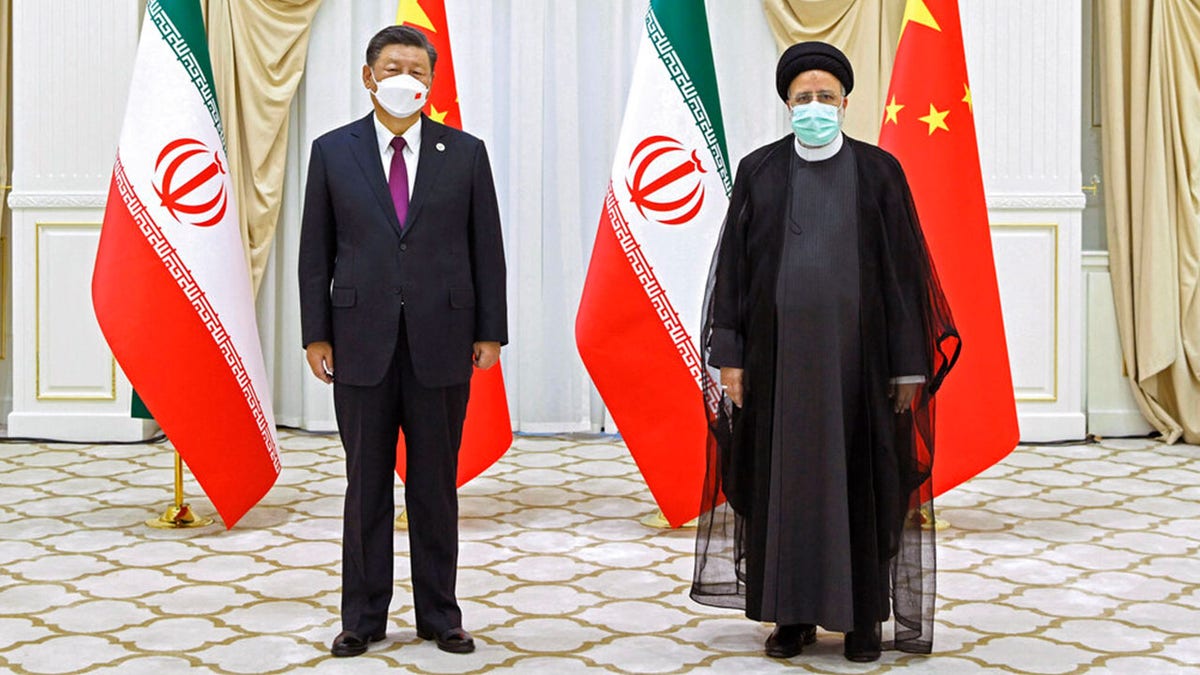
The U.S. Attempt to draw China into the security apparatus of the strait by requesting naval contributions reflects a strategy to force Beijing to take a more active role in stabilizing the region. Whether China will move from its role as a “bystander” to a more active participant in the maritime security of the strait remains a central question for global geopolitics.
Key Timeline of Events (2026)
| Date | Event |
|---|---|
| February 28 | U.S. And Israel launch attacks against Iran; Iran begins blockading the Strait of Hormuz. |
| March 14 | President Trump requests naval support from China, France, Japan, South Korea, and UK. |
| March 17 | Trump criticizes NATO allies on Truth Social for refusing to join military operations. |
| April 11 | U.S. Navy ships successfully transit the strait during U.S.-Iran peace negotiations. |
The situation in the Strait of Hormuz continues to be fluid. The international community now looks toward the ongoing peace negotiations between the United States and Iran to determine if a permanent diplomatic resolution can be reached, or if the waterway will remain a flashpoint for further military escalation.
We will continue to monitor official updates regarding the peace talks and any further naval movements in the region. We invite our readers to share their perspectives on the impact of these energy disruptions in the comments below.
Related reading