
On September 8, 2025, the United States Department of the Treasury imposed sanctions on 19 individuals and entities linked to a large-scale cyber fraud network operating across Myanmar and Cambodia. The sanctions targeted nine individuals and entities in Myanmar and ten in Cambodia, including a Cambodian senator and prominent business figures, for their alleged roles in orchestrating scams that defrauded American citizens of approximately $10 billion in 2024 alone.
The move marks a significant escalation in Washington’s efforts to dismantle transnational criminal enterprises that exploit vulnerable populations through forced labor and sophisticated online deception tactics. According to Treasury officials, the syndicate primarily uses the “pig-butchering” scam model, where victims are groomed over time through fake online relationships before being convinced to invest in fraudulent cryptocurrency platforms.
Many of the workers compelled to carry out these scams are themselves victims of human trafficking, lured by false job offers abroad and then detained and forced to defraud others under threat of violence. The U.S. Treasury stated that the scam industry in Southeast Asia not only threatens the financial security of Americans but also perpetuates modern slavery, with hundreds of thousands reportedly trapped in compounds across the region.
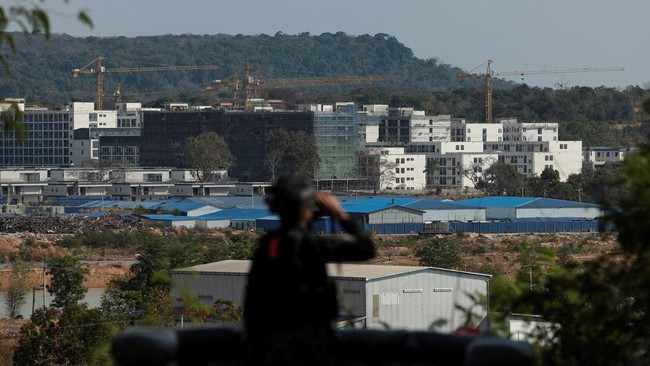
Among those sanctioned was Kok An, a senator from Cambodia, who was identified by U.S. Officials as having ties to the criminal network. The Treasury also named ten Cambodian individuals and entities, including figures associated with major conglomerates operating in sectors such as real estate, finance, and entertainment. One such individual, Chen — identified as a Chinese national and founder of the Prince Group — was highlighted in regional reporting as a key figure behind operations centered in Sihanoukville, where hotels, office blocks, and casinos have been repurposed as scam hubs and money-laundering facilities.
The sanctioned entities and individuals now face asset freezes under U.S. Jurisdiction, and American citizens and businesses are prohibited from engaging in any transactions with them. Deputy Secretary of the Treasury John K. Hurley emphasized that the sanctions aim to disrupt the financial infrastructure enabling these crimes and hold accountable those profiting from the exploitation of both victims and consumers.
The U.S. Action follows growing international concern over the scale of cybercrime originating from Southeast Asia, particularly compounds along the borders of Thailand, Laos, and Myanmar, where similar operations have been documented by the United Nations and civil society groups. While the sanctions represent a concrete step, experts note that sustained regional cooperation and stricter enforcement of labor and anti-trafficking laws will be essential to dismantle the underlying systems that allow such networks to thrive.
As of the date of this report, no public response has been issued by the sanctioned individuals or the Cambodian government regarding the designations. The U.S. Treasury’s Office of Foreign Assets Control (OFAC) maintains the official list of specially designated nationals and blocked persons, which includes those named in the September 8 action.
For updates on sanctions designations and related advisories, readers can consult the U.S. Department of the Treasury’s sanctions page or the OFAC sanctions list directly.
What are your thoughts on the U.S. Approach to combating transnational cyber fraud? Share your perspective in the comments below and help spread awareness by sharing this article.