
The U.S. Department of the Treasury’s Office of Foreign Assets Control (OFAC) announced a significant enforcement action on Friday, June 5, 2026, targeting a sophisticated illicit network involved in the export of Iranian-origin liquefied petroleum gas (LPG). This move represents the latest effort by U.S. Authorities to dismantle the infrastructure supporting Iran’s shadow banking system and its ability to bypass international financial restrictions. By masking the origin of these shipments, the sanctioned network allegedly facilitated the movement of hundreds of millions of dollars’ worth of energy products to markets in South and East Asia, according to the official Treasury Department press release.
The sanctions underscore the ongoing tension between U.S. Economic policy and Iran’s reliance on clandestine trade routes to generate revenue. Treasury officials emphasized that the operation utilized a layered approach involving front companies, foreign bank accounts, and a “shadow fleet” of maritime vessels to obfuscate the true source of the LPG, which was falsely documented as being of Omani origin. This strategy is designed to exploit commercial infrastructure while evading established U.S. Sanctions regimes.
Dismantling the Shadow Banking Infrastructure
At the center of this action is the designation of several entities and individuals accused of providing a critical financial lifeline for the Iranian regime. A primary target of the June 5, 2026, measures is the Iranian exchange house known as Mehrdad Geramian Nik and Partners Company. According to the Department of the Treasury, this firm and its leadership have been instrumental in moving hundreds of millions of dollars in foreign currency on behalf of sanctioned Iranian banks.
These exchange houses often function as intermediaries, employing a network of overseas shell and front companies to hide connections to Iran. By moving funds through accounts held outside of the country, these entities allow sanctioned Iranian banks to interact with the global financial system. The Treasury notes that these brokers facilitate billions of dollars in annual transactions, which support the regime’s military and oil-related activities. This action is part of a broader, sustained campaign by OFAC to disrupt such networks, following previous designations against firms including Radin Exchange, Arz Iran Exchange, Opal Exchange, and Amin Exchange.
The Mechanics of the ‘Shadow Fleet’
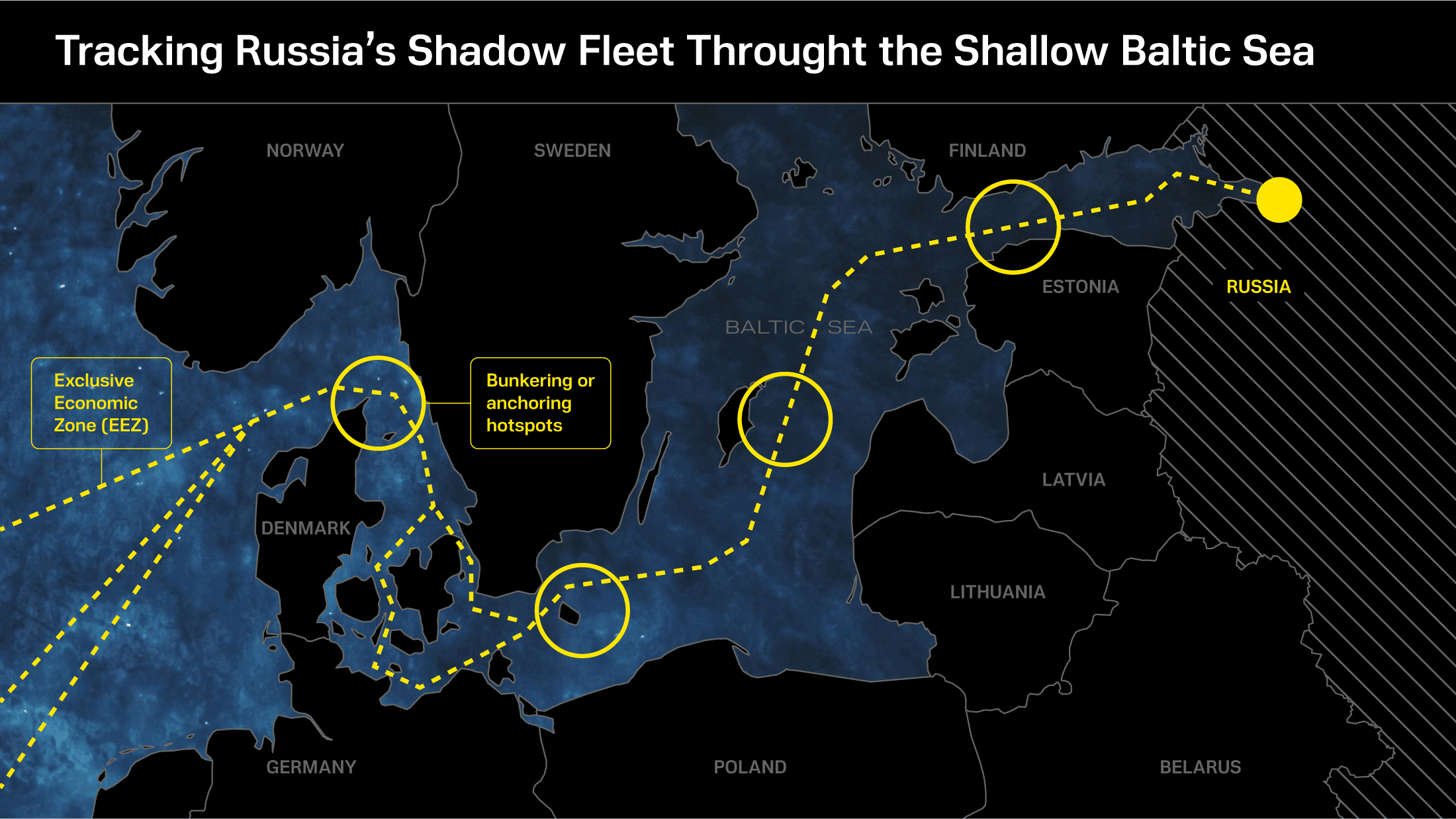
The maritime component of the illicit network relies on what officials term a “shadow fleet”—a collection of vessels that operate outside of standard commercial oversight to move Iranian petroleum products. By employing complex ownership structures and falsifying shipping documentation, these actors successfully disguised Iranian LPG as Omani fuel to reach end users in key Asian markets.
Treasury Secretary Scott Bessent framed the latest sanctions as a necessary step in curbing Iran’s capacity to engage in global trade through deceptive means. “Iran’s economy is floundering and its military is decimated,” Bessent said in a statement released by the Treasury. “Through Economic Fury, Treasury will continue to sever Iran’s shadow fleet, shadow banking networks, and access to global trade.”
The following social media update highlights the ongoing nature of these enforcement efforts:
The United States on Friday imposed sanctions on a network allegedly exporting Liquefied Petroleum Gas (LPG) from Iran to South and Eastern Asia
Impact and Regulatory Outlook
For businesses and financial institutions operating in the energy sector, these sanctions serve as a reminder of the heightened compliance risks associated with trade in South and East Asia. The use of front companies in jurisdictions such as China and the United Arab Emirates suggests that illicit actors are increasingly integrating their operations into global commercial hubs to shield their activities from detection.
The Treasury’s persistent focus on these “rahbar companies”—brokers that specifically serve the Iranian foreign exchange system—indicates that future enforcement actions will likely continue to target the financial conduits that enable the illicit sale of petrochemicals. As of June 6, 2026, the U.S. Government maintains that these measures are essential to preventing the Iranian regime from abusing the international financial system to fund its operations.
Key Takeaways
- Targeted Sectors: The sanctions focus on the export of Iranian LPG and the supporting shadow banking networks.
- Deceptive Practices: The network used falsified documentation to label Iranian LPG as Omani-origin fuel.
- Financial Intermediaries: Entities like Mehrdad Geramian Nik and Partners Company were designated for facilitating foreign currency transactions for sanctioned banks.
- Strategic Goal: The U.S. Aims to sever Iran’s access to global trade and dismantle its maritime “shadow fleet.”
The Treasury Department continues to monitor these networks and is expected to provide further updates as investigations into these illicit financial and shipping channels proceed. Stakeholders are encouraged to monitor the official Treasury press room for subsequent designations and compliance advisories. We will continue to track the developments of this story as more information becomes available. Please share your thoughts or questions in the comments section below.