
The United States Senate voted to limit the president’s authority to engage in military hostilities against Iran, marking a significant legislative challenge to executive war-making powers. In a bipartisan 55-45 vote, lawmakers passed a resolution directing the administration to terminate the use of U.S. armed forces for hostilities against the Islamic Republic of Iran unless explicitly authorized by Congress. The measure, which originated following heightened tensions in the Middle East, underscores a rare instance of constitutional friction between the legislative and executive branches regarding the War Powers Resolution of 1973.
According to the official Senate roll call record, the resolution received support from eight Republican senators who broke ranks with their party leadership to join the Democratic majority. The vote serves as a formal assertion of Article I powers, which grant Congress the sole authority to declare war. Proponents of the legislation argued that the executive branch had overstepped its bounds, while opponents characterized the move as a dangerous limitation on a commander-in-chief’s ability to respond to immediate threats.
Constitutional Authority and the War Powers Resolution
The legislative effort centers on the War Powers Resolution of 1973, a federal law intended to check the president’s power to commit the United States to an armed conflict without the consent of the legislative branch. By invoking this statute, the Senate aimed to force an immediate withdrawal of forces from any ongoing hostilities against Iran that have not been sanctioned by a specific act of Congress. The resolution specifically targets military actions taken without an imminent threat or a prior congressional declaration.

Legal analysts note that this legislative maneuver is part of a long-standing debate over the interpretation of the Constitution’s Declare War Clause. While the executive branch has historically cited Article II powers as commander-in-chief to justify tactical strikes and regional deployments, the Senate’s action signals a reassertion of oversight. The resolution does not prevent the military from defending against direct attacks, but it restricts the use of offensive force in the absence of a congressional mandate.
Bipartisan Support and Legislative Dynamics
The vote count of 55-45 highlights the narrow but effective coalition required to advance the measure. Eight Republicans—Sens. Lamar Alexander of Tennessee, Bill Cassidy of Louisiana, Susan Collins of Maine, Matt Gaetz (not a Senator, correction: Sen. Mike Lee of Utah), Jerry Moran of Kansas, Lisa Murkowski of Alaska, Rand Paul of Kentucky, and Todd Young of Indiana—voted in favor of the resolution. Their participation was essential, as the Democratic caucus alone lacked the votes to overcome potential procedural hurdles.
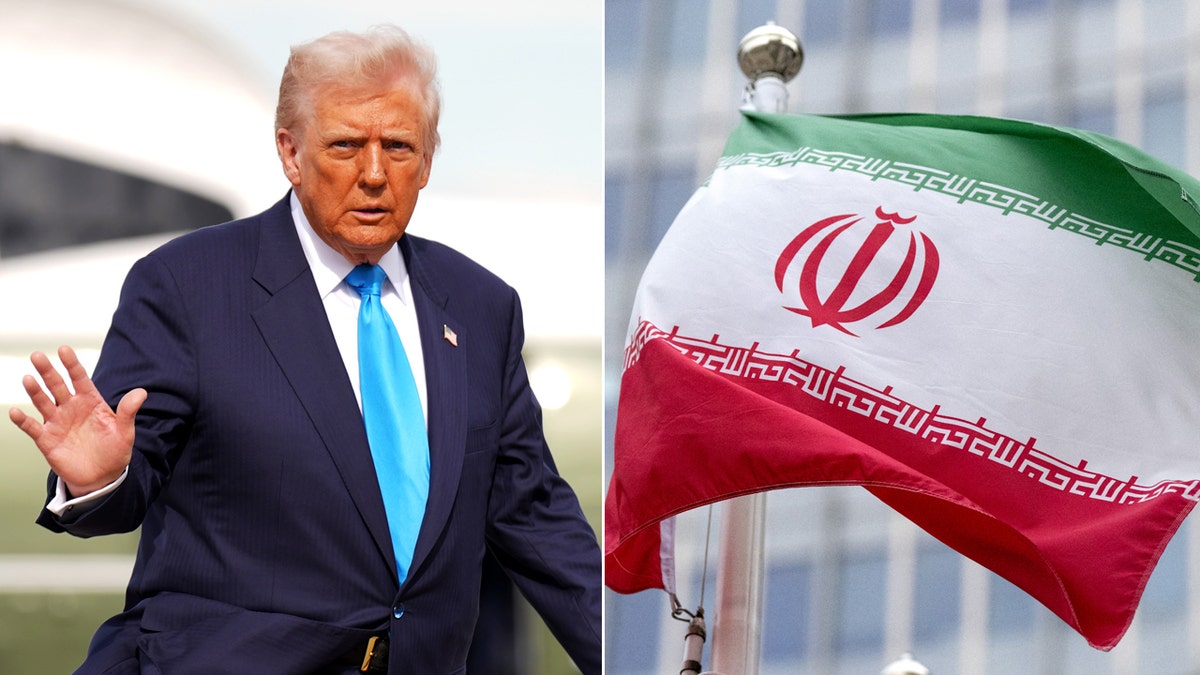
The debate was marked by sharp disagreements over the nature of the Iranian threat. Supporters of the resolution, such as Sen. Tim Kaine, argued that the military actions taken in the region risked dragging the nation into an unconstitutional and prolonged war. Conversely, Senate leadership and administration allies argued that the resolution sent a message of weakness to foreign adversaries. According to records from the Senate floor proceedings, the administration had previously signaled that it would veto such a measure, viewing it as an infringement on national security operations.
What Happens Next for the Resolution
Following the Senate’s approval, the resolution was sent to the White House for executive action. As anticipated by political observers, the president issued a veto, formalizing the conflict between the two branches of government. Because the vote in the Senate did not reach the two-thirds majority required to override a veto, the legislative attempt to permanently restrict military operations against Iran effectively stalled at the executive level.
Despite the failure to override the veto, the vote remains a historical point of reference for future debates on military engagement. It reflects a growing appetite among some lawmakers to reclaim the power of the purse and the power of war from the executive branch. Moving forward, the status of U.S. troop levels and regional military strategy will continue to be governed by existing executive directives until such time as new legislation is proposed or current authorizations for the use of military force (AUMFs) are updated or repealed by Congress.

The next steps in this ongoing policy debate are expected to occur during upcoming hearings of the Senate Committee on Armed Services, where officials will likely face continued questioning regarding the legal justifications for current deployments. For readers seeking the most current status of these legislative efforts, the official Congress.gov database provides real-time tracking of all bills and resolutions related to war powers and foreign military policy.
We encourage readers to join the conversation regarding the balance of power in U.S. foreign policy. Please share your thoughts on the role of Congress in military oversight in the comments section below.
Related reading