
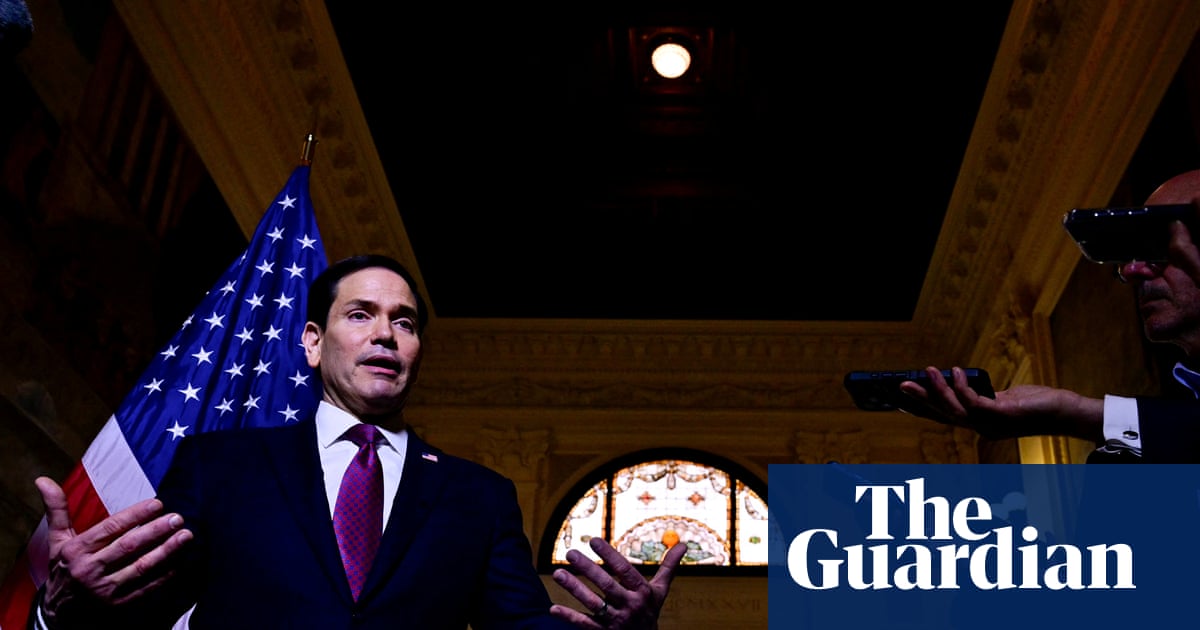
As the global community navigates the complexities of emerging infectious diseases, the intersection of international diplomacy and public health surveillance has once again come under intense scrutiny. Recent comments from U.S. Secretary of State Marco Rubio regarding the World Health Organization’s (WHO) response to Ebola outbreaks in the Democratic Republic of the Congo (DRC) and Uganda have ignited a broader debate about the efficacy of global health governance and the impact of domestic budgetary shifts within the United States.
Secretary Rubio’s critique, delivered during a briefing with reporters, centered on the timing of the WHO’s identification of viral hemorrhagic fever outbreaks in East and Central Africa. He noted that while the U.S. Centers for Disease Control and Prevention (CDC) and the WHO are the primary entities tasked with global pathogen surveillance, the WHO was, in his view, “a little late” in identifying the threat posed by these specific Ebola cases. This assessment comes at a time when the U.S. Government is re-evaluating its own federal health spending priorities, leading to a complex landscape where calls for increased global vigilance compete with internal pressures for fiscal restraint.
The Mechanics of Global Outbreak Surveillance
Ebola virus disease (EVD) remains one of the most challenging public health threats due to its high case-fatality rate and the logistical difficulties of mounting a response in resource-limited settings. The WHO operates through its Disease Outbreak News (DON) platform, which relies on a network of national health authorities, laboratory networks, and frontline clinicians to report unusual clusters of illness. When a suspected case emerges in regions like the DRC, the process of diagnostic confirmation—often involving the shipment of samples to centralized, high-security laboratories—can introduce delays that are inherent to the infrastructure of the region.


The tension highlighted by Secretary Rubio underscores a perennial tension in public health: the gap between the moment a pathogen begins to circulate and the moment an international declaration of emergency is made. Historically, the WHO has faced criticism for both being too slow to declare a Public Health Emergency of International Concern (PHEIC) and, conversely, for acting too aggressively. These decisions are governed by the International Health Regulations (IHR), a legally binding instrument of international law that requires states to notify the WHO of events that may constitute a PHEIC within 24 hours of assessment. According to the WHO’s official guidelines, the speed of this reporting is fundamentally dependent on the transparency and diagnostic capacity of the member states involved.
Public Health Funding and the Policy Landscape
The criticism of the WHO occurs against a backdrop of sweeping public health cuts within the United States. In recent fiscal cycles, there has been significant debate regarding the allocation of funds to global health security programs. These programs are designed not only to assist in rapid identification of outbreaks abroad but also to serve as a “first line of defense” that prevents regional health crises from becoming global pandemics. Critics of the current budgetary trajectory argue that reducing investment in these areas diminishes the U.S.’s ability to influence global health standards and undermines the very surveillance networks upon which the CDC relies.
For those interested in the granular details of how these funds are distributed, the CDC’s annual budget justification provides a comprehensive look at the resources allocated to the Global Health Security Agenda (GHSA). The GHSA is a partnership of nearly 70 nations, international organizations, and non-governmental stakeholders working to build countries’ capacity to help create a world safe and secure from infectious disease threats. The debate now centers on whether the U.S. Can maintain its leadership role in these initiatives while simultaneously navigating the fiscal constraints imposed by current legislative priorities.
What Happens Next?
The discourse surrounding the WHO’s response time and the sustainability of international health funding is far from settled. As the international community prepares for upcoming sessions of the World Health Assembly, the focus is expected to shift toward reforming the IHR to allow for more rapid, data-driven interventions. These reforms aim to address the “lag time” identified by observers by digitizing reporting pathways and enhancing the collaborative role of regional bodies like the Africa Centres for Disease Control and Prevention (Africa CDC).

For citizens and healthcare professionals, the most reliable way to stay informed about ongoing health threats is through the official bulletins issued by the World Health Organization and the U.S. Centers for Disease Control and Prevention. These portals remain the primary sources for verified, real-time data regarding Ebola cases, vaccination initiatives, and travel advisories. As diplomatic and administrative discussions continue, the health of the public remains dependent on the seamless cooperation between these international institutions and the sovereign nations they serve.
We invite our readers to join the discussion on the future of global health security. How can international organizations balance the need for rapid response with the logistical realities of working in complex environments? Share your thoughts in the comments section below, and look for our follow-up report following the next scheduled session of the WHO Executive Board.