Global Weather Extremes: A Week of Floods, Droughts, and Record Snowfalls
This past week witnessed a stark reminder of our planet’s increasingly volatile climate, with extreme weather events impacting communities across the globe. From devastating floods to record-breaking temperatures and early-season snowstorms, here’s a detailed look at the significant weather patterns that unfolded.
North America: A Tale of Two Extremes
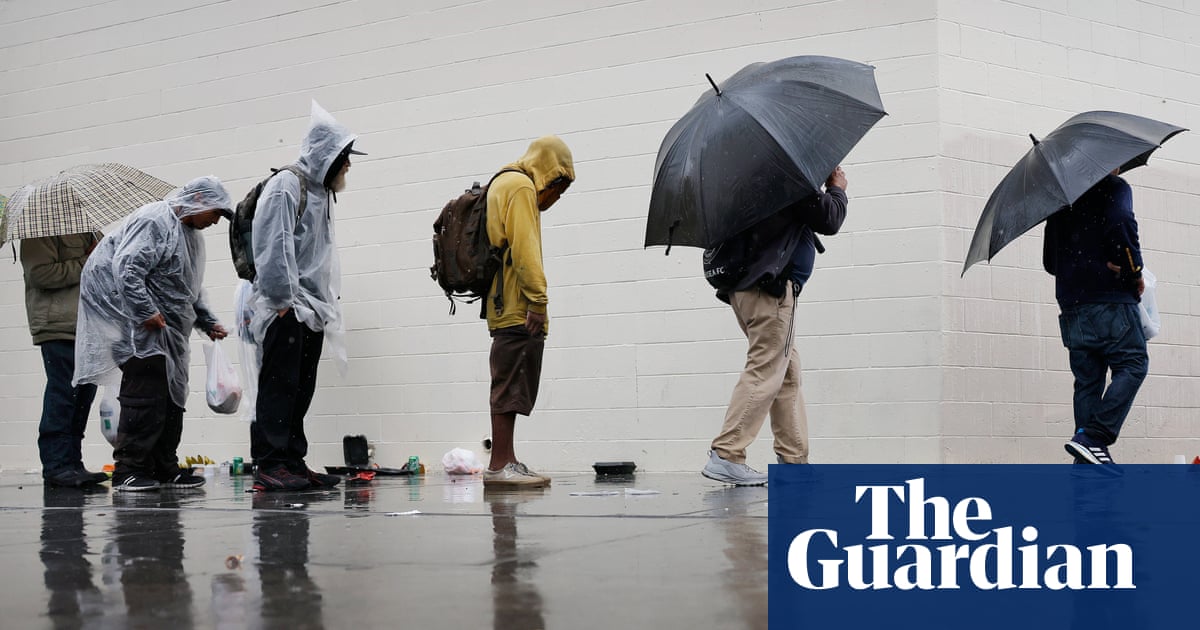
California faced evacuation warnings last week due to torrential rainfall, raising concerns about flooding and landslides. These storms were fueled by an “atmospheric river” - a crucial moisture source for the Western US,but capable of delivering destructive downpours,especially in coastal areas.
Conversely, parts of Colorado experienced unusually long periods without snowfall. Denver recorded its third-latest snowfall date ever, following its warmest November on record at 28°C (82°F). This lack of snow is delaying the opening of ski resorts, impacting the winter tourism season.
Australia: Severe Storms and Bushfire Risks
Severe thunderstorms swept through much of northern and eastern Australia last week, leaving over 11,000 homes without power. Heavy rain, hail, and strong winds were the primary culprits, driven by humid tropical air.
Adding to the challenges, lightning-triggered bushfires erupted in the plains of New South Wales, exacerbated by hot and windy conditions. This highlights the complex interplay of weather events increasing risk across the region.
Europe: Italy Grapples with Deadly Flooding
Italy was tragically impacted by extreme rainfall this week, resulting in mudslides and two fatalities. The Torre River overflowed after approximately 25cm (10 inches) of rain fell within eight hours, causing significant flooding in Brazzano di Cormons.
Approximately 300 residents of the nearby hamlet of Versa were forced to evacuate due to the rising waters of the Torre River, underscoring the vulnerability of communities to intense rainfall events.
Asia: Japan Sees Early, Heavy Snowfall
Japan experienced unusually heavy snowfall in early November, particularly in the high-altitude town of Sukayu in Honshu. over 1 meter (3.3 feet) of snow fell, breaking seasonal records and impacting travel.
hokkaido, Japan’s northernmost island, also received substantial snowfall, signaling a potentially challenging winter ahead. These early snowfalls raise questions about the shifting patterns of winter precipitation.
Understanding the Bigger Picture
These diverse events, while geographically separated, are interconnected through a changing climate. You’re likely seeing more frequent and intense extreme weather events as global temperatures rise.
Here’s what you need to know:
* Atmospheric Rivers: These are becoming more potent, delivering both vital water resources and destructive flooding potential.
* temperature Extremes: Record highs and lows are becoming more common, disrupting ecosystems and impacting human activities.
* Shifting Precipitation Patterns: Changes in snowfall and rainfall are altering water availability and increasing the risk of both droughts and floods.
Staying Informed and Prepared
It’s crucial to stay informed about weather forecasts and heed warnings from local authorities. You can take steps to prepare for extreme weather events, including:
* Developing an emergency plan: Know your evacuation routes and have a communication plan with family members.
* Building an emergency kit: Include essential supplies like food, water, medication, and a frist-aid kit.
* Staying connected: Monitor weather updates from reliable sources like the National Weather Service and local news outlets.
The events of this past week serve as a powerful reminder of the urgent need for climate action and preparedness. By understanding the risks and taking proactive steps, you can protect yourself, your family, and your community from the impacts of a changing climate.
Related reading