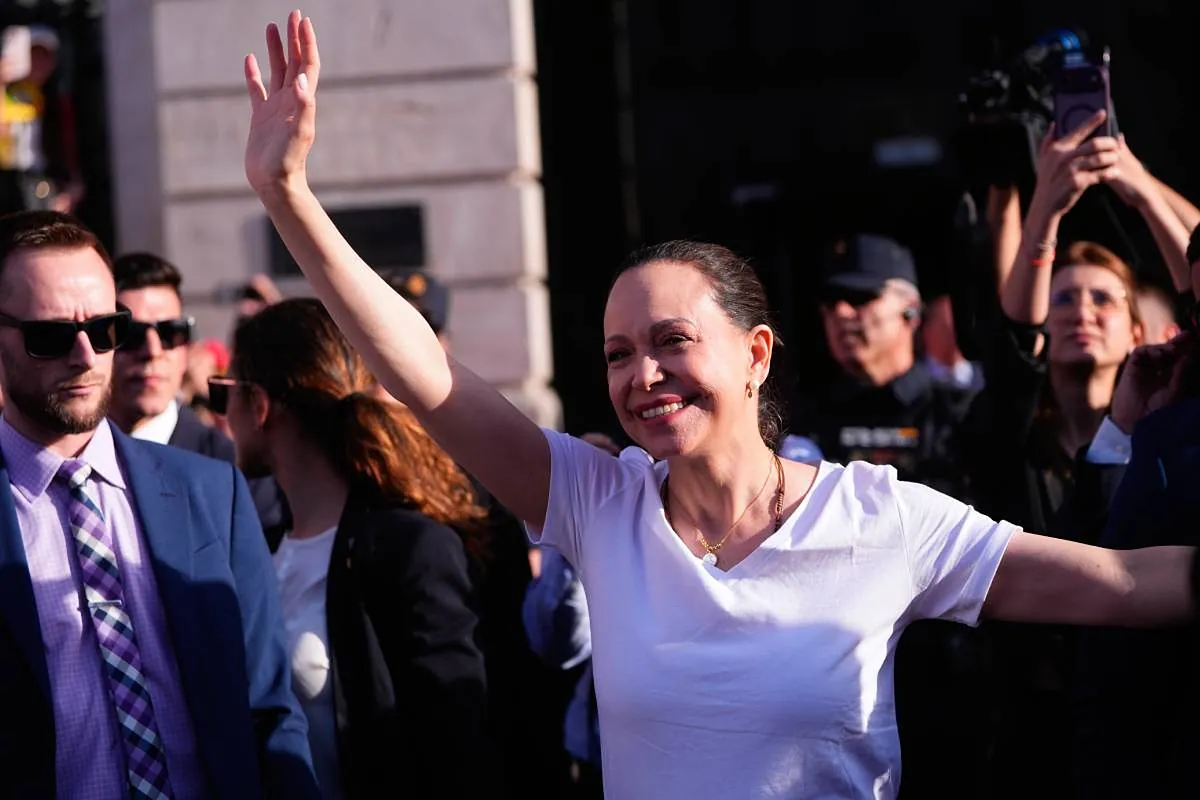
Venezuelan opposition leaders María Corina Machado and Edmundo González Urrutia have convened an emergency summit to coordinate a unified response following the release of disputed electoral data and ongoing political instability in the country. The meeting aims to solidify a strategy for the democratic movement after the National Electoral Council (CNE) declared Nicolás Maduro the winner of the July 28 presidential election without releasing granular, precinct-level vote tallies.
According to reports from Reuters, the opposition coalition, known as the Unitary Platform, maintains that independent tallies from over 80% of polling stations show a decisive victory for González. The lack of transparent documentation from the CNE has triggered widespread domestic protests and international scrutiny regarding the legitimacy of the results.
The Opposition’s Strategy Amid Election Disputes
The emergency summit serves as a critical junction for the opposition to address the vacuum of official information. Since the election, the Maduro administration has faced mounting pressure from international observers, including the Organization of American States (OAS), which has called for full transparency and the publication of official voting records. Machado, who was barred from running herself, has become the public face of the movement, emphasizing that the opposition possesses the physical evidence required to challenge the official narrative.
For the opposition, the immediate goal is to maintain momentum while protecting their members from state-led crackdowns. Reports from human rights organizations, such as Amnesty International, indicate that security forces have intensified their presence in major cities following the election, leading to numerous detentions. The summit is expected to focus on how to sustain the mobilization of supporters while navigating the legal and security risks inherent in the current political climate.
International Pressure and Diplomatic Stances
The international community remains divided on how to approach the Venezuelan crisis. While some nations have recognized the official results, others, including the United States, have expressed grave concern over the lack of transparency. The U.S. government has historically utilized targeted sanctions to pressure the Maduro administration, though the efficacy of this approach remains a subject of intense debate among regional analysts.
The U.S. Department of State has repeatedly urged the Venezuelan authorities to release the detailed vote tabulations. Unlike previous electoral cycles where the opposition was fractured, the current alignment between Machado and González suggests a more cohesive front, which observers note complicates the government’s efforts to marginalize the dissent. The focus remains on whether the international community can provide enough leverage to force a verification process that the opposition would accept as credible.
Challenges to Democratic Transition
The road ahead for the opposition is fraught with structural obstacles. The Venezuelan judiciary and the CNE are widely viewed as being aligned with the executive branch, leaving few internal legal avenues for the opposition to contest the results successfully. According to the Human Rights Watch country report on Venezuela, the erosion of judicial independence has been a long-standing feature of the current government’s consolidation of power, effectively neutralizing traditional opposition tactics.

The summit is tasked with determining whether the movement should focus on external diplomatic mediation or continue to rely on the current strategy of public protest and the presentation of independent data. Analysts suggest that without a significant shift in the stance of the military leadership, which has historically supported the current administration, the prospects for a peaceful transition remain limited. The opposition’s next public move is expected to follow the conclusion of this emergency meeting, as they prepare to address their supporters regarding the next phase of their campaign.
The situation remains fluid. As of the latest reports, the opposition has not yet announced a definitive date for a new wave of mass mobilizations, pending the outcome of their internal strategy sessions. Readers are encouraged to follow official updates from the Unitary Platform’s verified social media channels for the most accurate information regarding their future actions.
Worth a look