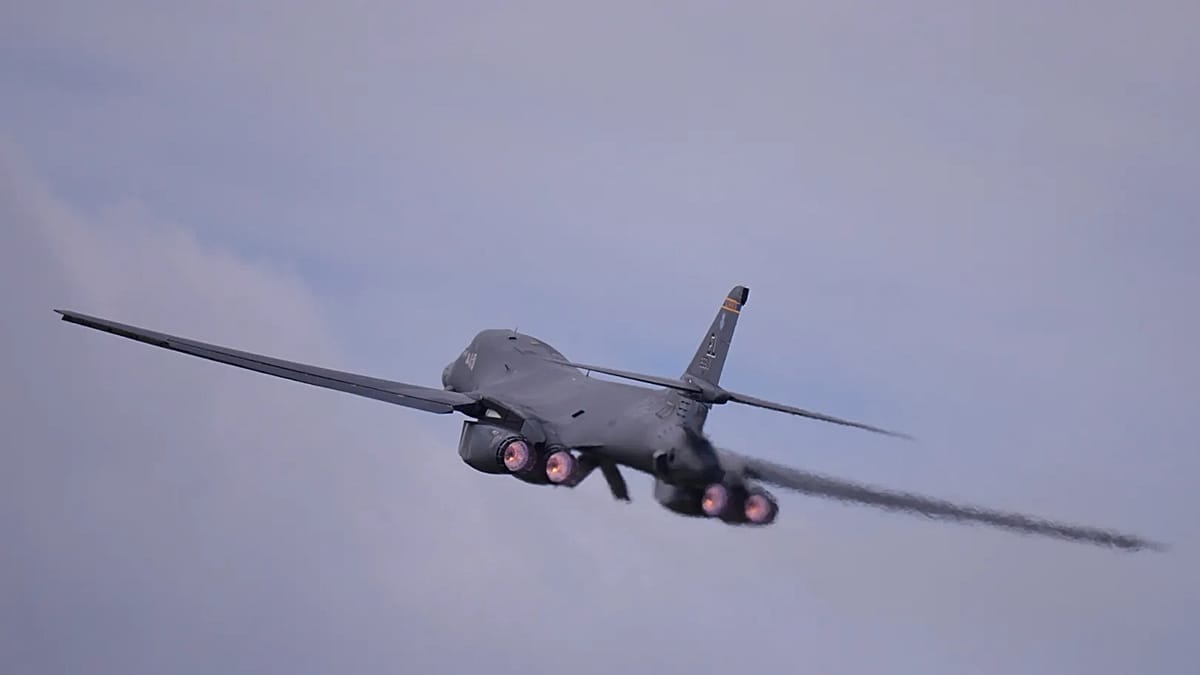
United States military forces have engaged in defensive operations in the Middle East, conducting strikes against Iranian military assets that posed a direct threat to regional stability. According to official statements from the U.S. Central Command (CENTCOM), American forces successfully neutralized four one-way attack drones and a ground control station linked to Iranian operations near the Strait of Hormuz.
The Strait of Hormuz remains one of the world’s most critical maritime chokepoints, with a significant percentage of global oil production passing through the narrow passage daily. These defensive actions underscore the ongoing volatility in the region and the heightened state of alert maintained by the U.S. Military to ensure the freedom of navigation and the safety of international commercial vessels operating in these contested waters.
Defensive Operations in the Strait of Hormuz
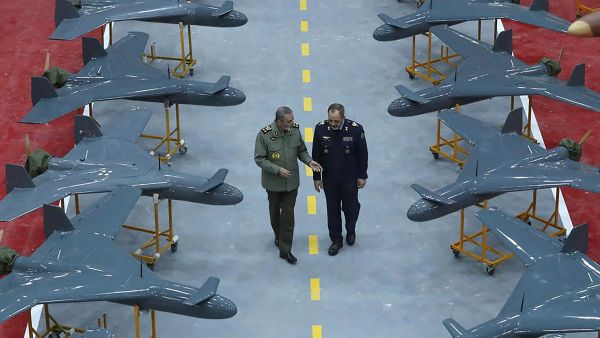
The engagement, which took place in recent days, involved the identification and subsequent destruction of unmanned aerial systems (UAS) identified as Iranian one-way attack drones. CENTCOM confirmed that these assets were assessed as an imminent threat to vessels transiting the area. In a coordinated move, forces also targeted a ground control station that was actively preparing to launch additional aerial threats.

The U.S. Military maintains a consistent presence in the region, operating under the mandate to deter aggression and respond to provocations that threaten international maritime corridors. These strikes are categorized by the Pentagon as defensive measures, intended to mitigate risks to both U.S. Personnel and the broader international shipping community. The Strait of Hormuz is frequently the site of geopolitical friction, and the presence of advanced drone technology has added a new layer of complexity to maritime security operations.
The Strategic Importance of Regional Security
For those following international relations, the deployment of “kamikaze” or one-way attack drones represents a shift in how regional actors project power. These systems are designed to loiter or fly directly into targets, and their low cost relative to traditional interceptor missiles makes them a persistent challenge for naval defense systems. The U.S. Response serves as a clear signal of the commitment to maintaining regional maritime security architectures.
The current situation highlights the fragile nature of stability in the Middle East. Beyond the immediate tactical success of these strikes, the long-term impact on diplomatic relations remains to be seen. Analysts often point to the delicate balance between active deterrence and the risk of escalation, a challenge that remains a cornerstone of U.S. Foreign policy in the Gulf.
Key Factors in the Current Regional Landscape
- Maritime Security: Protecting the Strait of Hormuz remains a top priority for international energy markets and regional trade.
- Drone Proliferation: The increased reliance on autonomous or remote-piloted one-way attack systems has necessitated new defensive strategies for naval fleets.
- Defensive Mandates: U.S. Actions are framed within the scope of protecting international waters and preventing unauthorized interference with civilian and military vessels.
What Happens Next
The situation remains fluid. The U.S. Department of Defense typically provides updates on such operations through official channels, such as the Pentagon’s press briefing room, where further details regarding the status of regional assets and threat assessments are disclosed. Observers should monitor official releases for information regarding any changes in regional military posture or further diplomatic developments.
As the regional climate continues to evolve, our team at World Today Journal will continue to track the developments surrounding these defensive operations. We encourage our readers to stay informed through verified government statements and to participate in the conversation by sharing their perspectives below. Your engagement helps foster a better understanding of these complex global issues.