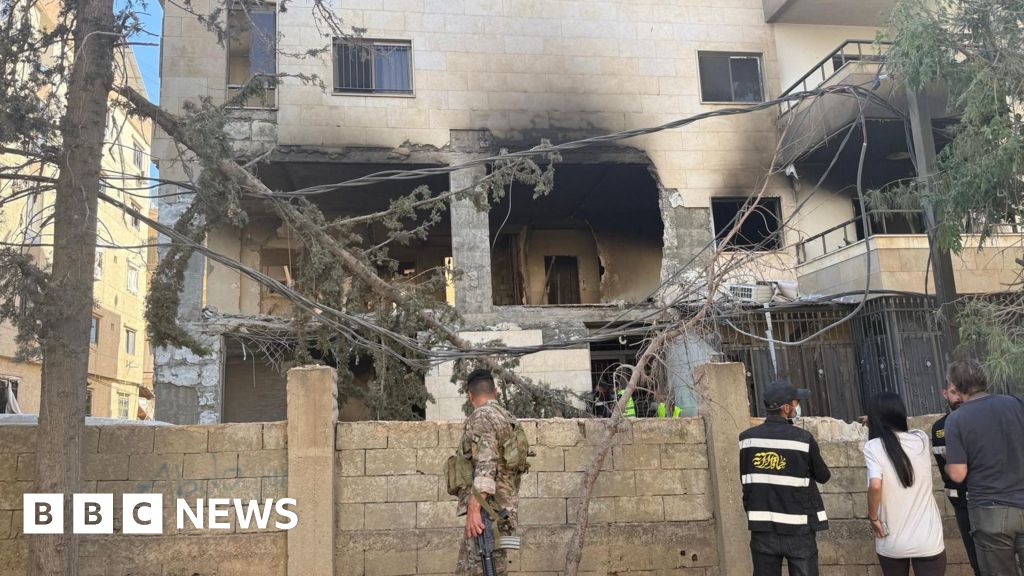
The security landscape in Lebanon has shifted significantly following a series of strikes in Beirut, marking a departure from the relative stability the capital had experienced in recent months. This latest military action, described by officials as a targeted strike, arrives amid a period of heightened regional tension as both Israel and Hezbollah continue to report violations of the ceasefire agreement that went into effect in late November 2024.
As a financial journalist, I have spent nearly two decades monitoring how geopolitical instability ripples through global markets. When the ceasefire agreement, brokered with international mediation, begins to show signs of fraying, the economic uncertainty for the Levant region intensifies. For businesses operating in the Middle East, the return of kinetic activity to the capital is not merely a security concern; This proves a fundamental disruption to the fragile economic recovery that many local entrepreneurs and international investors were hoping to stabilize.
The Fragility of the Current Ceasefire
The cessation of hostilities, which was intended to provide a pathway toward long-term stabilization, has been characterized by mutual accusations of non-compliance. According to reports from the Associated Press, both the Israeli government and Hezbollah have traded claims regarding unauthorized troop movements and weapons transfers in southern Lebanon. These accusations have created a volatile environment where the interpretation of the ceasefire terms remains a primary point of contention.
For observers of regional economic policy, the primary concern is the potential for capital flight and the stalling of critical infrastructure projects. When a capital city is no longer considered a “safe zone,” the risk premium for investment in the country rises exponentially. This complicates efforts by the Lebanese government to secure international financial aid and implement the structural reforms necessary to address the country’s ongoing economic crisis, which has seen the local currency lose significant value over the past several years.
Analyzing the Economic Impact
The impact of this strike extends beyond the immediate physical damage. In the world of global markets, sentiment is often as important as tangible assets. The uncertainty surrounding the durability of the ceasefire forces multinational firms to re-evaluate their risk exposure in the region. When we discuss “targeted strikes” in a major financial and political hub like Beirut, we are essentially discussing a suspension of business-as-usual for the regional service and logistics sectors.

The current situation necessitates a cautious approach for businesses. Investors should prioritize the following areas of concern:
- Supply Chain Volatility: Increased border scrutiny and potential closure of transport corridors can lead to significant delays in regional trade.
- Currency Fluctuations: Political instability typically exerts downward pressure on the Lebanese Pound, complicating import costs for businesses.
- Regulatory Uncertainty: As the government pivots toward emergency crisis management, secondary economic legislation and tax reforms may be delayed indefinitely.
What Happens Next: Monitoring the Situation
The path forward remains highly contingent on diplomatic efforts. International mediators are currently working to prevent a total collapse of the ceasefire, though the window for successful negotiation is narrowing. For stakeholders and the global business community, it is essential to monitor official updates from the United Nations Interim Force in Lebanon (UNIFIL), which remains on the ground tasked with monitoring the implementation of relevant Security Council resolutions.
We are currently awaiting further statements from the office of the Lebanese Prime Minister and the Israeli Ministry of Defense regarding their respective commitments to the existing terms. These updates will be critical in determining whether the ceasefire can be salvaged or if the region is entering a new phase of escalation.
As this situation develops, I encourage our readers to stay informed through verified, primary sources rather than relying on unconfirmed social media reports. The complexity of this conflict requires a nuanced understanding of both the political and economic levers at play. I will continue to track these developments as they relate to regional stability and market health. Please feel free to share your thoughts or questions in the comments section below, and ensure you are subscribed to our newsletter for the latest updates on this unfolding story.
Worth a look