
The U.S. Supreme Court has issued a significant order clarifying that asylum seekers are not entitled to initiate the asylum application process while remaining on the Mexican side of the border. This judicial decision reinforces the authority of U.S. immigration officials to manage processing protocols at the border, effectively limiting the scope of claims that can be lodged from outside sovereign U.S. territory. According to official court records, the ruling affirms that the legal requirements for seeking asylum are tethered to physical presence within the United States or at a port of entry.
This development marks a critical juncture in the ongoing debate over border management and the legal obligations of the United States toward asylum seekers. The court’s action provides a definitive legal framework for officials to turn away individuals who have not yet reached U.S. soil, a policy shift that has drawn intense scrutiny from humanitarian organizations and legal advocates. As reported by the Executive Office for Immigration Review, the operational impact of this ruling allows the federal government to maintain stricter control over the volume and location of asylum processing, effectively streamlining the administrative burden on border facilities.
Legal Basis for Border Processing Limitations
The core of the Supreme Court’s intervention centers on the interpretation of the Immigration and Nationality Act. Under this federal statute, the executive branch holds broad discretion to regulate the entry of foreign nationals. The court’s decision underscores that the right to apply for asylum is not an extraterritorial privilege; rather, it is a process that begins once an individual has successfully crossed the border or presented themselves at a designated U.S. port of entry. By confirming that migrants standing in Mexico do not possess a legal standing to trigger the asylum process, the court has effectively narrowed the pathways for those seeking protection from abroad.

Legal analysts note that this decision aligns with long-standing precedent regarding the geographic limits of U.S. immigration law. While international treaties, such as the 1951 Refugee Convention, emphasize the principle of non-refoulement, the Supreme Court’s interpretation focuses on the procedural mechanics of how those claims are initiated. The ruling establishes that the U.S. government is under no statutory obligation to process applications for individuals who remain in a foreign country, regardless of their proximity to the international boundary line.
Impact on Asylum Seekers and Border Operations
For migrants currently waiting in northern Mexico, the ruling creates a significant procedural hurdle. Many individuals have been living in temporary encampments near the border, hoping to access the U.S. asylum system. According to data provided by Department of Homeland Security (DHS) reports, the administration’s ability to enforce these geographic boundaries is essential for maintaining order at ports of entry. The policy shift means that asylum seekers must now navigate increasingly complex and limited entry channels, often requiring pre-scheduled appointments through official government applications rather than physical presence at the border wall.

Humanitarian aid groups have expressed concern that these restrictions may force migrants into more dangerous, undocumented crossings. By removing the option to apply while waiting in Mexico, the policy effectively incentivizes individuals to attempt unauthorized entry to trigger their legal claims once inside the country. The American Civil Liberties Union (ACLU) has previously argued in court filings that such policies undermine the fundamental right to seek refuge, yet the Supreme Court’s recent stance provides a clear mandate for the current enforcement strategy.
Operational Challenges for Immigration Officials
The administrative burden of processing asylum claims remains a central concern for U.S. Customs and Border Protection (CBP). With the court’s ruling, officials are empowered to redirect resources toward those already within the interior or at the immediate threshold of the border. According to the Government Accountability Office (GAO), the backlog of pending asylum cases has reached historic levels, influencing the government’s push for more stringent entry requirements. This ruling serves as a legal anchor for the government’s efforts to reduce the pressure on border infrastructure by limiting the number of individuals who can formally initiate the process at any given time.
The enforcement of this policy is expected to remain a point of contention in future litigation. While the current ruling provides clarity for the administration, it does not preclude new challenges based on evolving administrative rules or changes in federal policy. As the Supreme Court docket continues to evolve, legal experts suggest that the intersection of domestic law and international humanitarian obligations will remain the primary battleground for immigration policy.
What Happens Next
The next major checkpoint for this issue involves the implementation of updated processing guidelines by the Department of Justice and the Department of Homeland Security. These agencies are expected to release further guidance on how the court’s ruling will be integrated into day-to-day border operations. Stakeholders are advised to monitor the Federal Register for upcoming policy updates and to consult with legal counsel regarding current asylum processing requirements.
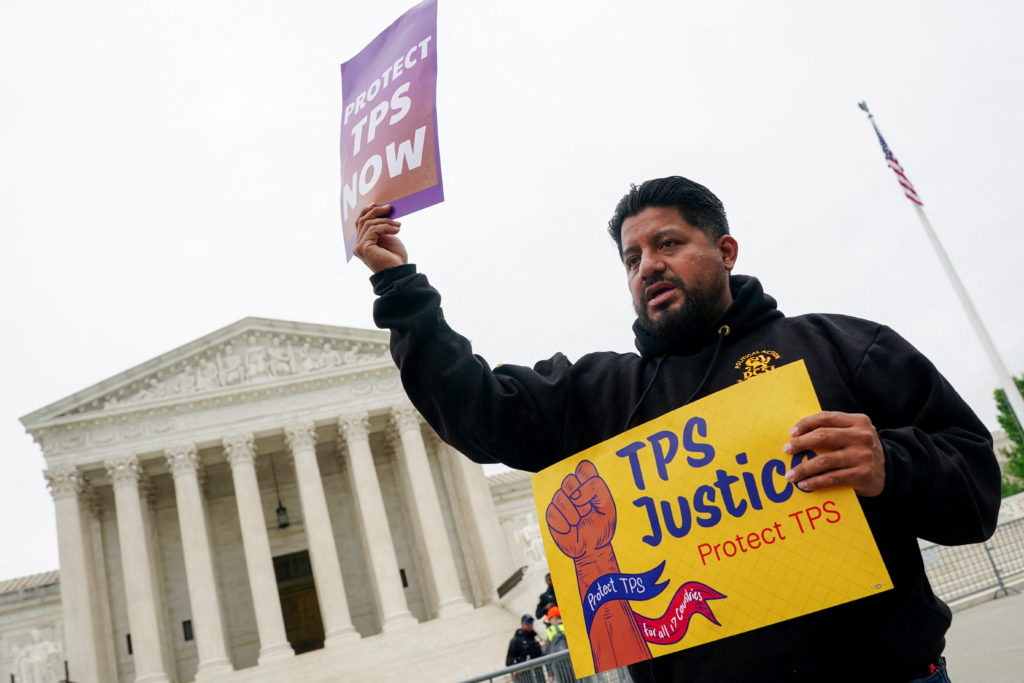
As this situation develops, the balance between national security and humanitarian responsibility will continue to be debated in both the courtroom and the public sphere. We invite our readers to share their perspectives on these evolving immigration policies in the comments section below. For ongoing updates on judicial rulings and federal immigration policy, stay connected to our news coverage.
Worth a look