
Mexican President Claudia Sheinbaum and Spanish King Felipe VI are seeking to ease diplomatic tensions between their nations, with reports suggesting the 2026 FIFA World Cup—to be co-hosted by Mexico, the United States, and Canada—could serve as a platform for reconciliation. The friction stems from a long-standing demand by the Mexican government for an official apology from the Spanish monarchy regarding the violence and abuses committed during the 16th-century conquest of Mexico.
The diplomatic rift deepened in 2024 when President Sheinbaum declined to invite King Felipe VI to her inauguration ceremony. This decision followed a similar position taken by her predecessor, Andrés Manuel López Obrador, who had previously requested that the Spanish Crown acknowledge the historical grievances of indigenous peoples in Mexico. According to Reuters, the exclusion was prompted by the Spanish government’s failure to respond to a formal letter sent by the Mexican administration in 2019 calling for an apology. The Spanish government, under Prime Minister Pedro Sánchez, has consistently rejected these demands, maintaining that historical events should be viewed through a contemporary lens of cooperation rather than confrontation.
The Role of the 2026 World Cup in Diplomacy
As Mexico prepares to host the 2026 World Cup, officials are looking for opportunities to normalize relations with key global partners. The tournament is viewed by the Mexican administration as a significant soft-power milestone that could provide a neutral stage for high-level meetings. Diplomatic observers note that international sporting events often function as a mechanism for thawing frozen relations, allowing leaders to engage in “stadium diplomacy” away from the immediate pressure of bilateral policy disputes.
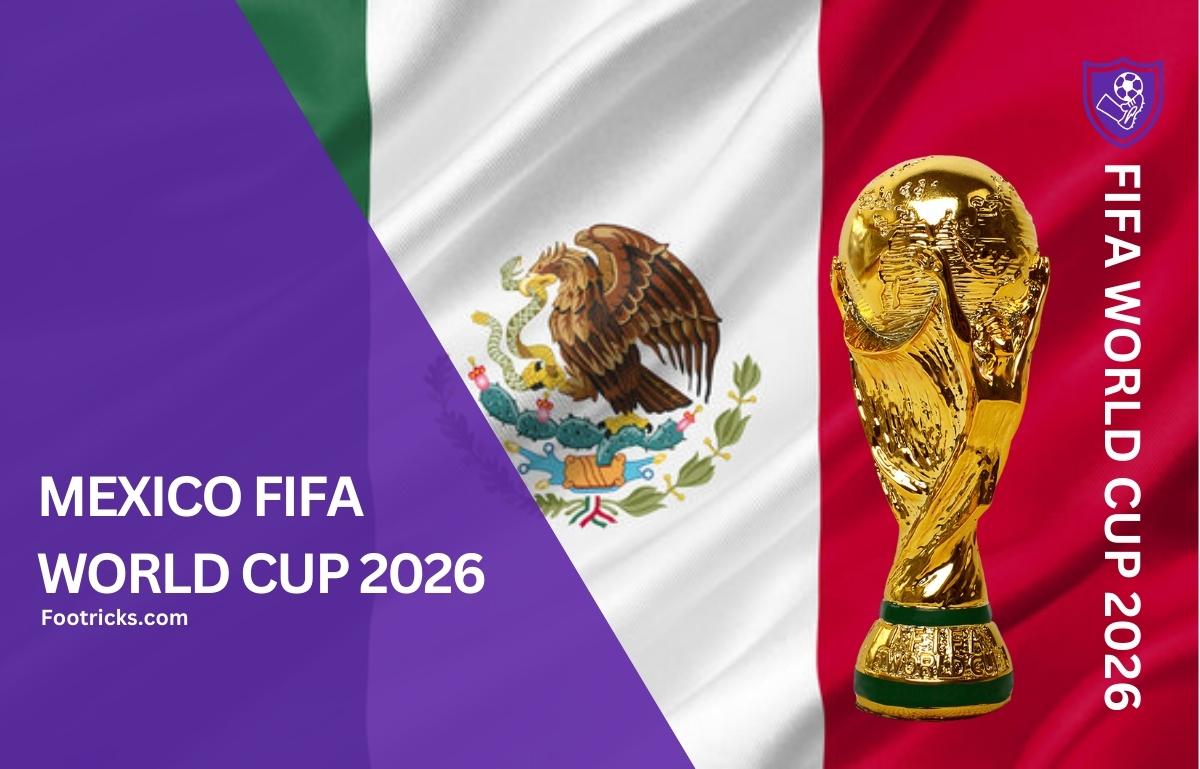
While no formal meetings between the President and the King have been officially confirmed, the shared logistical interests of the tournament are expected to necessitate increased communication between the two countries. The FIFA 2026 tournament will require extensive cooperation regarding security, tourism, and infrastructure, areas where both Spain and Mexico have established institutional ties. The potential for a meeting during the tournament is being discussed as a way to move past the colonial-era impasse without requiring either side to formally concede their established public positions.
Historical Context of the Dispute
The core of the disagreement remains the legacy of the Spanish conquest, which began in 1519 with the arrival of Hernán Cortés. For the Mexican government, the demand for an apology is framed as a matter of historical justice and the recognition of the suffering of indigenous populations. In his 2019 letter, then-President López Obrador argued that an apology would serve as an act of reconciliation to “build a new stage in the relationship between the two peoples.”
Conversely, the Spanish Ministry of Foreign Affairs has characterized the request as an attempt to rewrite history. As reported by the Financial Times, Spain has emphasized that the historical actions of the past cannot be judged by the standards of the present. The Spanish government maintains that its current relationship with Mexico is defined by deep cultural, linguistic, and economic bonds that should supersede historical grievances. This fundamental difference in perspective has resulted in a period of “cooling” in diplomatic exchanges that has lasted for several years.
What Happens Next?
The next major checkpoint for these diplomatic efforts will be the lead-up to the 2026 World Cup, where logistical planning meetings will likely involve representatives from the Spanish and Mexican governments. Observers will be monitoring the guest lists for opening ceremonies and high-profile matches as a barometer for the success of these behind-the-scenes negotiations. Any sign of a royal visit to Mexico or a presidential trip to Madrid would indicate a significant shift in the current stalemate.
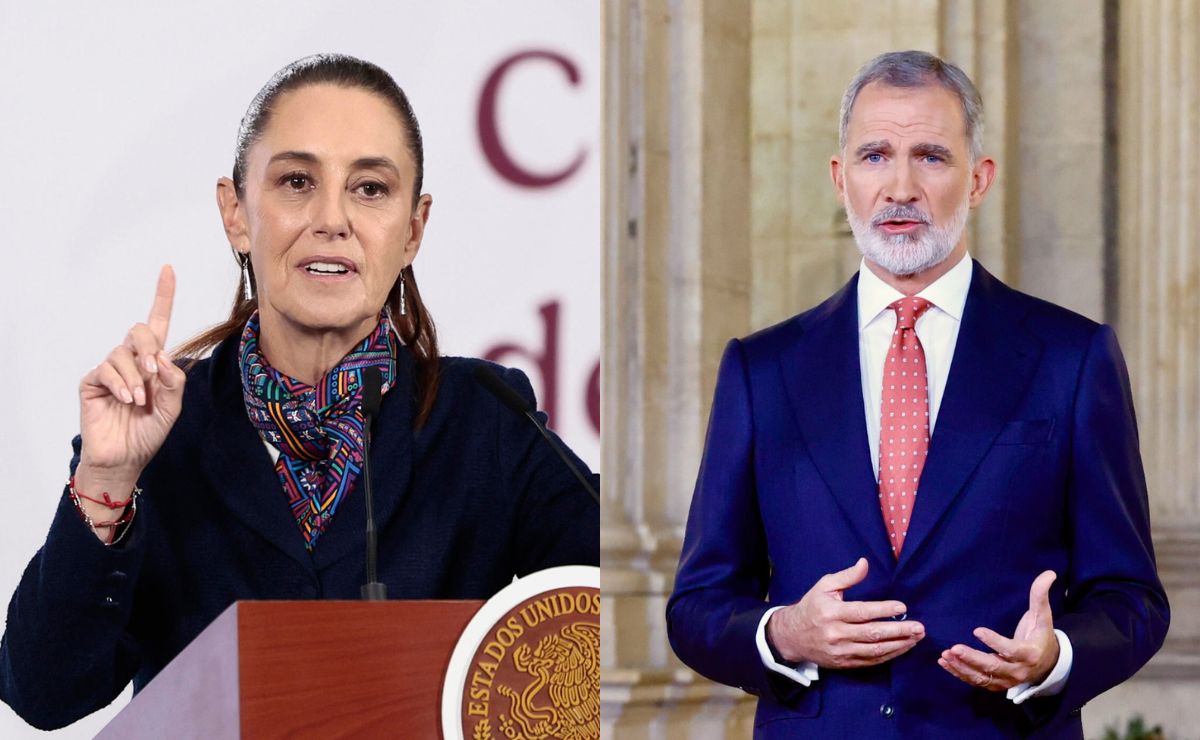
For now, both administrations continue to operate under a policy of pragmatic separation. While the rhetoric regarding the colonial past remains firm, the necessity of managing shared global interests during a major sporting event may provide the required impetus to reset the bilateral relationship. Official updates regarding diplomatic schedules will be released through the Mexican Secretariat of Foreign Affairs as the tournament dates approach. We encourage our readers to follow these developments and share their perspectives in the comments below.