The Algorithmic Crackdown: How Western Tech Powers Repression in Xinjiang and Beyond
The promise of cloud computing and advanced technology was supposed to connect the world, foster innovation, and empower individuals. Though, a chilling investigation by the Associated Press reveals a darker reality: how leading American tech companies inadvertently – and sometimes knowingly – fueled a sophisticated surveillance state in Xinjiang, China, and how that model is now being replicated nationwide. This isn’t just a story about human rights abuses; its a stark warning about the ethical implications of technological advancement and the duty of corporations operating in authoritarian regimes.
This article delves into the disturbing details, examining the role of companies like Amazon, Microsoft, IBM, Intel, and Oracle in enabling the Chinese government’s crackdown on Uyghurs and other ethnic minorities. We’ll explore the mechanics of this “automated autocracy,” the human cost, and the urgent need for greater accountability.
The Xinjiang Surveillance System: A Blueprint for Control
For years, the Chinese government has implemented a brutal campaign of surveillance, detention, and repression targeting Uyghurs and other Muslim minorities in Xinjiang. This campaign, often described as cultural genocide, relies heavily on advanced technology to identify, track, and control the population.
Key elements of this system include:
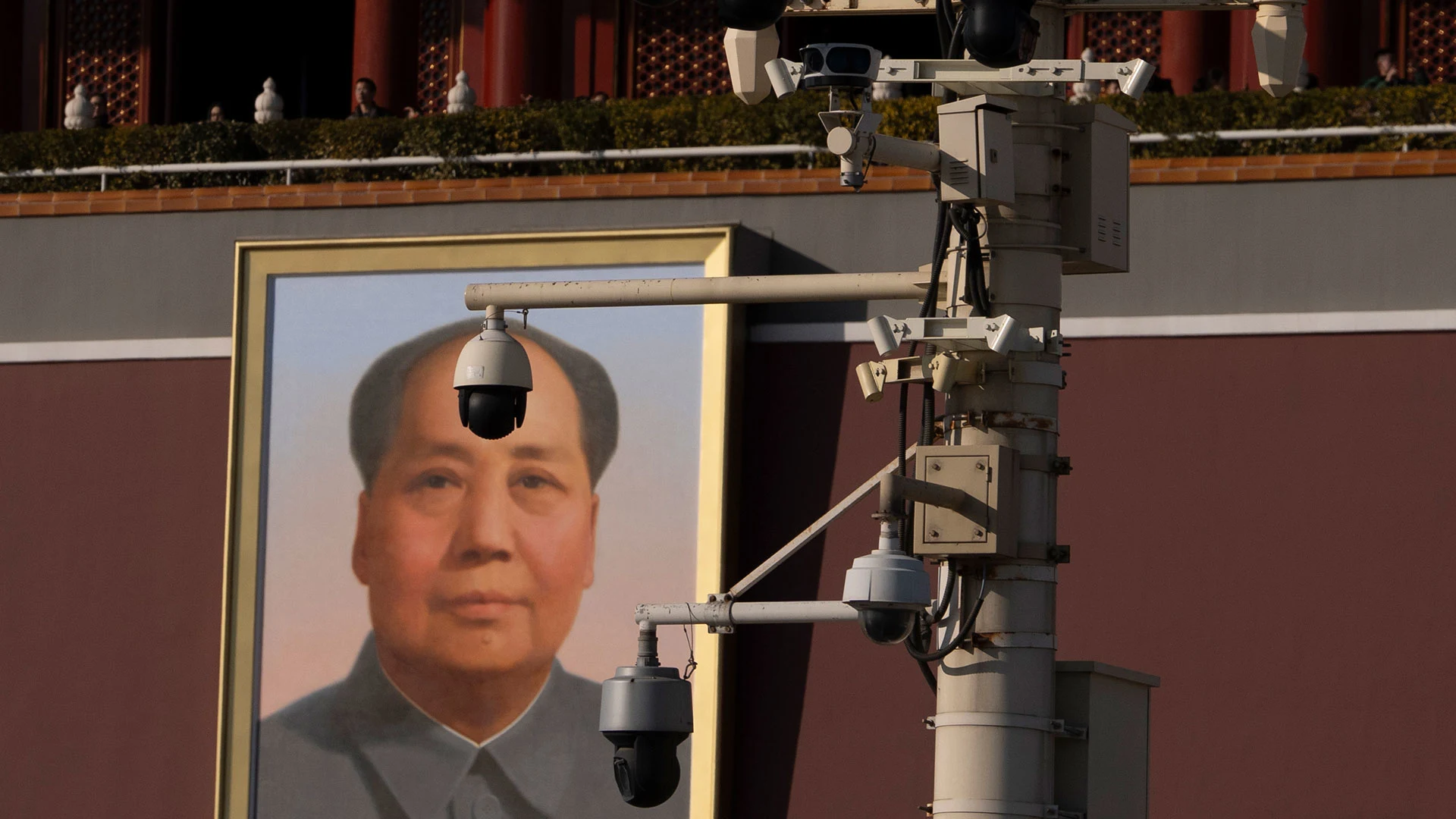
Mass Facial Recognition: Extensive networks of cameras equipped with facial recognition software monitor public spaces, identifying individuals and flagging those deemed “suspicious.”
Predictive Policing: Algorithms analyze vast datasets – including travel history, dialog patterns, and even social connections – to predict potential “threats” and preemptively detain individuals.
Integrated data Platforms: A centralized system, known as the Integrated Joint Operations Platform (IJOP), collects and analyzes data from various sources, creating detailed profiles on millions of citizens.
Detention Camps: Individuals flagged by the system are frequently enough sent to “re-education camps” where they are subjected to political indoctrination, forced labor, and other abuses.
Western Tech’s Role: Enabling the Machine
The AP investigation reveals that major U.S. tech companies provided the foundational infrastructure for this surveillance apparatus.
Cloud Services: Both Amazon Web Services (AWS) and Microsoft Azure registered accounts in 2018, actively seeking to expand their cloud offerings to police clients. While both companies claim limited involvement in the Xinjiang crackdown specifically, their platforms were undeniably available to support the development and deployment of surveillance technologies. AWS stated Landasoft, a key player, “consumed very limited cloud services for a brief period.” Microsoft similarly downplayed its involvement, stating Landasoft used a retired portal and data was deleted.
Hardware & Software: IBM, Dell, HP, Cisco, Seagate, Intel, NVIDIA, Oracle, and VMWare all provide essential components – servers, switches, drives, chips, and software – that power the police systems targeting Uyghurs and others. These aren’t simply passive components; they are integral to the functioning of the IJOP and other surveillance tools. Landasoft: the Key Architect: Landasoft, a Chinese technology company, played a central role in developing the IJOP. Emails show they actively sought partnerships with Western tech giants to enhance their capabilities. A former Landasoft employee, Liu, detailed the company’s involvement in the xinjiang crackdown, witnessing firsthand the devastating impact of the technology.
The Human Cost: The Story of the Yang Family
The consequences of this technological repression are devastating. The story of the Yang family exemplifies the relentless persecution faced by those targeted by the system.
For 16 years, the Yangs have relentlessly pursued justice after being wrongly accused of arson.Their efforts have been met with escalating levels of harassment, intimidation, and violence.
Constant Surveillance: The Yangs are under constant surveillance, their every move monitored by police.
Arbitrary Detention & Abuse: they have been repeatedly seized, beaten, and subjected to unlawful detention.
Suppression of Petitioning: Attempts to appeal to higher authorities are met with brutal suppression.Yang’s mother was even tackled and jailed for attempting to deliver a letter to Xi Jinping, enduring strip searches, force-feeding, and deprivation.
Disappearances: Yang’s sister and mother have disappeared, adding to the family’s anguish.
The chinese government has even calculated the cost* of suppressing the Yang family’s petitioning – a staggering $37,000. This chilling detail underscores the lengths to which the authorities will go to silence
Related reading