
The U.S. Administration is navigating a complex legal and economic pivot as it prepares to manage the fallout from a series of contested trade policies. Following a pivotal legal defeat, the government is now coordinating the logistics of a massive refund process for tariffs that were deemed illegal, while simultaneously planning a strategic return to protectionist measures under a different legal framework.
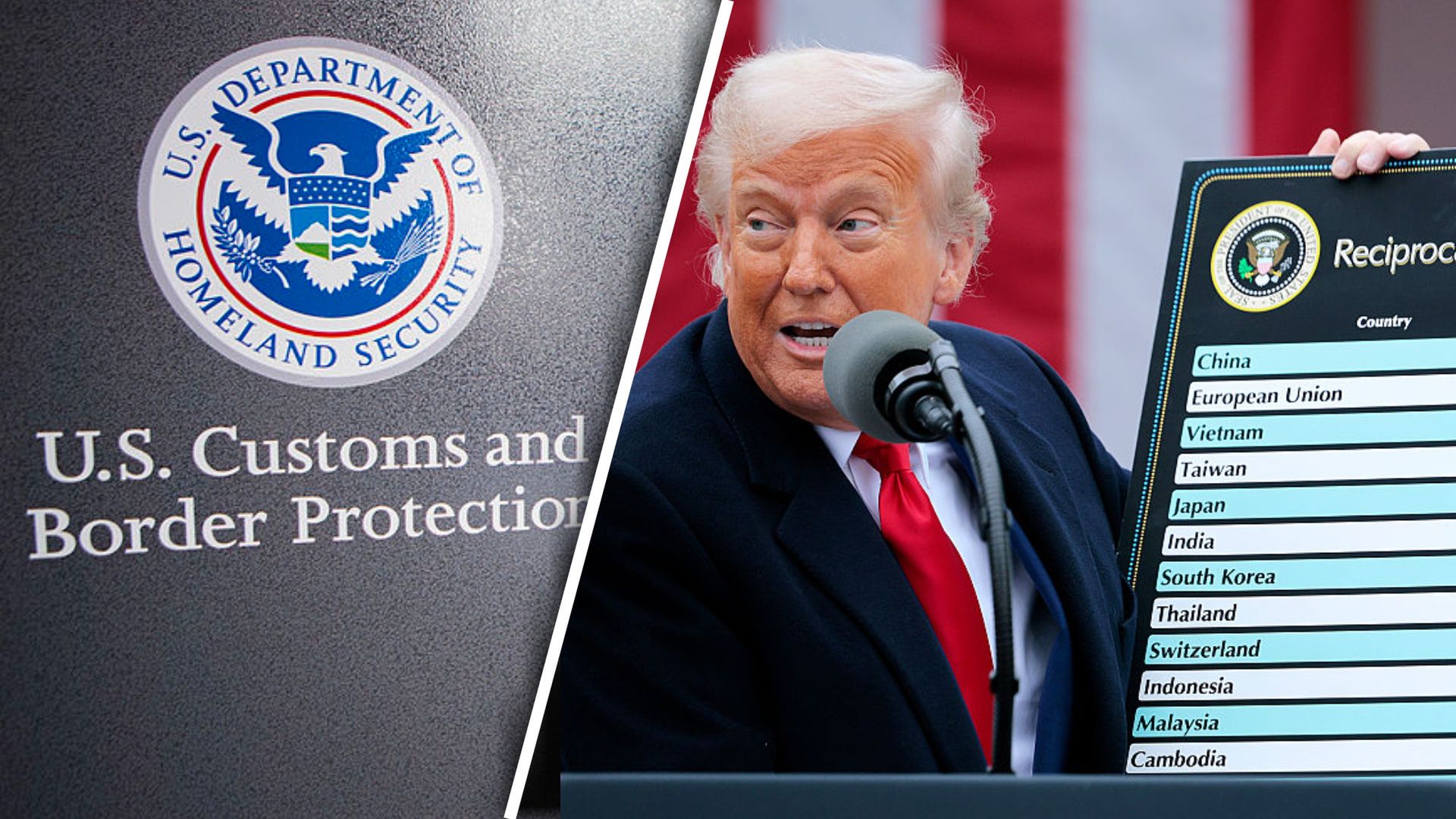
The current tension centers on the 10-percent global tariffs implemented by President Donald Trump, which have faced intense scrutiny from both the judiciary and the business community. As the administration works to finalize the system for tariff refunds, the U.S. Treasury is simultaneously preparing for a potential resurgence of import duties by July, shifting the legal basis for these taxes to avoid further court-mandated reversals.
This volatile cycle of implementation, judicial striking, and planned re-introduction highlights a significant struggle over the limits of presidential power in global trade. For international businesses and domestic importers, the uncertainty has created a challenging environment for long-term investment and supply chain planning, as the legal ground beneath U.S. Trade policy continues to shift.
The stakes are substantial, involving billions of dollars in federal revenue and the operational stability of thousands of companies. With the U.S. Treasury now identifying “alternative” legal pathways to maintain trade barriers, the global market is watching closely to see if the administration can successfully bypass the restrictions set by the highest court in the land.
The Judicial Blow and the Refund Process
The current crisis began when the U.S. Supreme Court ruled in February that President Donald Trump lacked the authority to impose wide-ranging tariffs based on the International Emergency Economic Powers Act (IEEPA). This specific law, typically used for national security sanctions, had served as the legal foundation for the majority of the administration’s tariffs, including the 10-percent levies on goods from nearly every country worldwide Business Insider.
In the immediate wake of this ruling, the administration attempted to pivot. On February 24, new 10-percent tariffs were introduced, which were then almost immediately raised to 15 percent on February 22 as a direct response to the Supreme Court’s decision Polsat News. However, this rapid escalation only fueled further legal challenges. A U.S. Trade court has since questioned the legality of these 10-percent tariffs, with judges suggesting that a high trade deficit alone may not be sufficient justification for such broad actions Money.pl.
Because many of the earlier tariffs were invalidated, the U.S. Government is now tasked with returning the funds collected under those illegal mandates. This process is not merely an administrative hurdle but a massive financial undertaking, as the government seeks to resolve the status of billions of dollars in collected duties.
Treasury’s Strategy: The “Section 301” Pivot
Despite the legal setbacks, U.S. Treasury Secretary Scott Bessent has signaled that the administration is not abandoning its protectionist goals. Bessent has admitted that the administration experienced a “lapse” regarding the Supreme Court’s decision but has assured the public that tariffs could be restored by July Business Insider.
The strategy for this return relies on “Section 301” of the Trade Act of 1974. Unlike the IEEPA, Section 301 allows the president to implement “retaliatory measures” against countries that restrict U.S. Trade or engage in discriminatory practices Business Insider. Because the authority granted by Section 301 has already been vetted and upheld by the courts, the Treasury believes this provides a legally sound path to reimposing the tariffs that were previously struck down.
Secretary Bessent has encouraged business leaders to begin planning and decision-making based on the likely return of these duties, suggesting that the administration is confident in the legality of this new approach. This move is intended to provide the “predictability” that markets crave, even if the actual policy remains aggressively protectionist.
Economic Impact and Trade Deficits
The effectiveness of these trade barriers remains a point of intense debate. While the tariffs brought billions of dollars into the federal budget before they were overturned, their impact on the broader economy has been disruptive. In 2025, the earlier tariffs significantly hampered trade and limited corporate investments Money.pl.
the primary goal of reducing the trade deficit appears to have seen limited success. Data indicates that the U.S. Trade deficit reached 901.5 billion dollars, a figure that was only slightly higher than the previous year, calling into question whether the tariffs were an effective tool for balancing trade Money.pl.
Key Summary of Tariff Legalities
| Period/Date | Action/Event | Legal Basis/Result |
|---|---|---|
| 2025 | Initial Tariff Implementation | Based on IEEPA (later invalidated) |
| February 2026 | Supreme Court Ruling | Ruled IEEPA tariffs illegal |
| February 22, 2026 | Immediate Response | Tariffs raised to 15% via new measures |
| April 2026 | Treasury Announcement | Plan to restore tariffs by July via Section 301 |
What This Means for Global Trade
For the global community, the “Section 301” pivot suggests that the U.S. Is moving away from “emergency” powers and toward a more structured, albeit still aggressive, apply of trade law to exert pressure on trading partners. The transition from a 10-percent global rate to a potential 15-percent rate, and the subsequent legal battle over refunds, creates a volatile environment for any company exporting to the U.S. Market.
The administration’s approach is characterized by a cycle of “action and reaction.” When the Supreme Court blocked one path, the administration immediately sought another, often increasing the stakes in the process. This has led to a situation where the U.S. Is simultaneously returning money to importers while warning them that those same costs will likely return in a few months.
The impact is most felt by small businesses and specific states, 24 of which have joined lawsuits challenging the legality of the 10-percent tariffs Money.pl. These entities argue that the administration is attempting to bypass the judiciary to maintain a policy that has proven economically disruptive.
The next critical checkpoint for the business community will be the arrival of July, the deadline mentioned by Secretary Bessent for the potential restoration of duties. Until then, the focus remains on the operational rollout of the refund system and whether the courts will allow the Section 301 pivot to proceed without further intervention.
We invite our readers to share their perspectives on how these shifting trade policies are affecting their industries in the comments below.