
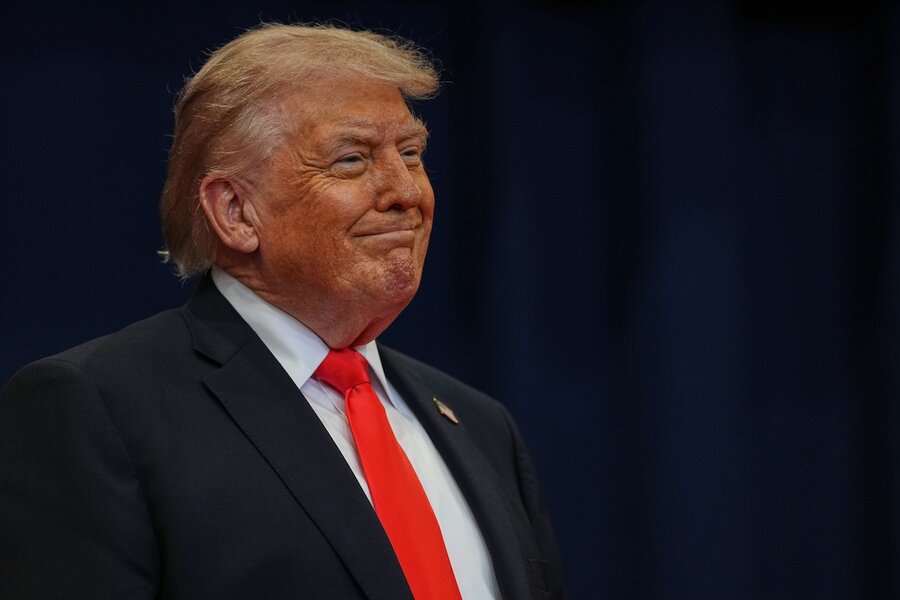
The United States will withdraw approximately 5,000 troops from Germany over the next six to 12 months, the Pentagon announced Friday, May 1, 2026. The move signals a significant shift in the U.S. Military footprint within the North Atlantic Treaty Organization (NATO) alliance and follows a series of public disputes between President Donald Trump and German leadership.
The decision to reduce the U.S. Military presence in Germany comes amid escalating tensions between President Trump and German Chancellor Friedrich Merz. According to reports from BBC News, the drawdown follows a diplomatic rift centered on the U.S. War with Iran, with the two leaders clashing over the nature of negotiations and the strategic direction of the conflict.
Defense Secretary Pete Hegseth ordered the withdrawal, which is part of a broader Pentagon review of the American military mission in Europe. The drawdown is expected to be completed within a year, marking one of the most abrupt reductions in U.S. Forces in Germany since the end of the Cold War.
The Catalyst: Diplomatic Friction Over Iran
The troop withdrawal appears to be a direct consequence of a deteriorating relationship between the White House and the German Chancellery. Tensions peaked after Chancellor Friedrich Merz suggested that the United States had been humiliated
by Iranian negotiators, a comment that prompted a sharp rebuke from President Trump. This public disagreement has intensified a long-standing debate regarding the cost and utility of U.S. Bases in Europe.
For years, President Trump has questioned the burden-sharing arrangements within NATO, frequently calling for European allies to increase their defense spending. The current drawdown of 5,000 troops is viewed by analysts as a fulfillment of previous threats by the administration to reduce U.S. Commitments if allies do not meet specific strategic or financial expectations.
The geopolitical stakes are heightened by the ongoing conflict involving Iran. As the U.S. Navigates a complex war effort, the administration is reassessing where its assets are most effectively deployed. The decision to pull forces from Germany suggests a pivot in priorities, shifting focus away from traditional European basing toward more flexible or regional deployments.
Impact on U.S. Military Presence in Germany
Despite the reduction, the U.S. Maintains a substantial military presence in Germany. As of December 2025, there were more than 36,000 active duty troops assigned to bases across the country, according to BBC reporting. The removal of 5,000 personnel represents a reduction of roughly 14% of that active-duty force.
The withdrawal will likely affect multiple installations, though the Pentagon has not yet released a detailed list of which bases will see the largest cuts. Major hubs such as Ramstein Air Base and various Army garrisons have historically served as the backbone of U.S. Logistics and command in Europe. The loss of several thousand personnel may impact the operational capacity for rapid deployment and logistical support for NATO missions in the region.
Military officials have indicated that the drawdown will be phased. The 6-to-12-month timeline allows for the orderly transfer of equipment and the relocation of service members and their families. However, the speed of the withdrawal has raised concerns among some NATO allies about the potential for a “security vacuum” or a signal of American isolationism during a period of global instability.
The German Response and NATO Stability
In Berlin, the reaction has been a mix of pragmatic acceptance and diplomatic caution. German officials have indicated that a drawdown was expected, emphasizing that the two nations continue to share core strategic interests. By framing the withdrawal as an expected evolution of the military relationship, the German government aims to prevent the move from being interpreted as a total collapse of the U.S.-Germany alliance.
However, the timing of the drawdown is precarious. With the war in Iran creating volatility in the Middle East and ongoing security challenges in Eastern Europe, the reduction of U.S. Boots on the ground in Germany may force Germany to accelerate its own military modernization and increase its direct contributions to NATO’s collective defense.
The broader implications for NATO are significant. The alliance relies on the “U.S. Umbrella” for deterrence. A visible reduction in forces, driven by political disputes rather than strategic necessity, could embolden adversaries or lead other European nations to question the reliability of U.S. Security guarantees.
Key Takeaways of the Drawdown
- Scale: Approximately 5,000 U.S. Troops will be withdrawn from Germany.
- Timeline: The process is expected to be completed within 6 to 12 months.
- Primary Driver: Diplomatic tension between President Trump and Chancellor Friedrich Merz over the war with Iran.
- Authority: The order was issued by Defense Secretary Pete Hegseth following a Pentagon review of European missions.
- Current Context: The U.S. Had over 36,000 active duty troops in Germany as of December 2025.
What Happens Next?
The Pentagon is expected to provide further specifics on the logistics of the withdrawal in the coming weeks, including which specific units will be repatriated or redeployed. Congressional oversight will also play a role, as lawmakers may question the impact of the drawdown on European stability and the administration’s adherence to NATO treaty obligations.
The next critical checkpoint will be the upcoming bilateral diplomatic meetings between U.S. And German officials, where the specifics of the “shared interests” mentioned by German leadership will be tested against the reality of a diminished military presence. Whether this drawdown is a temporary leverage tactic or a permanent shift in U.S. Foreign policy remains to be seen.
World Today Journal encourages readers to share this story and join the conversation in the comments below regarding the future of the NATO alliance.