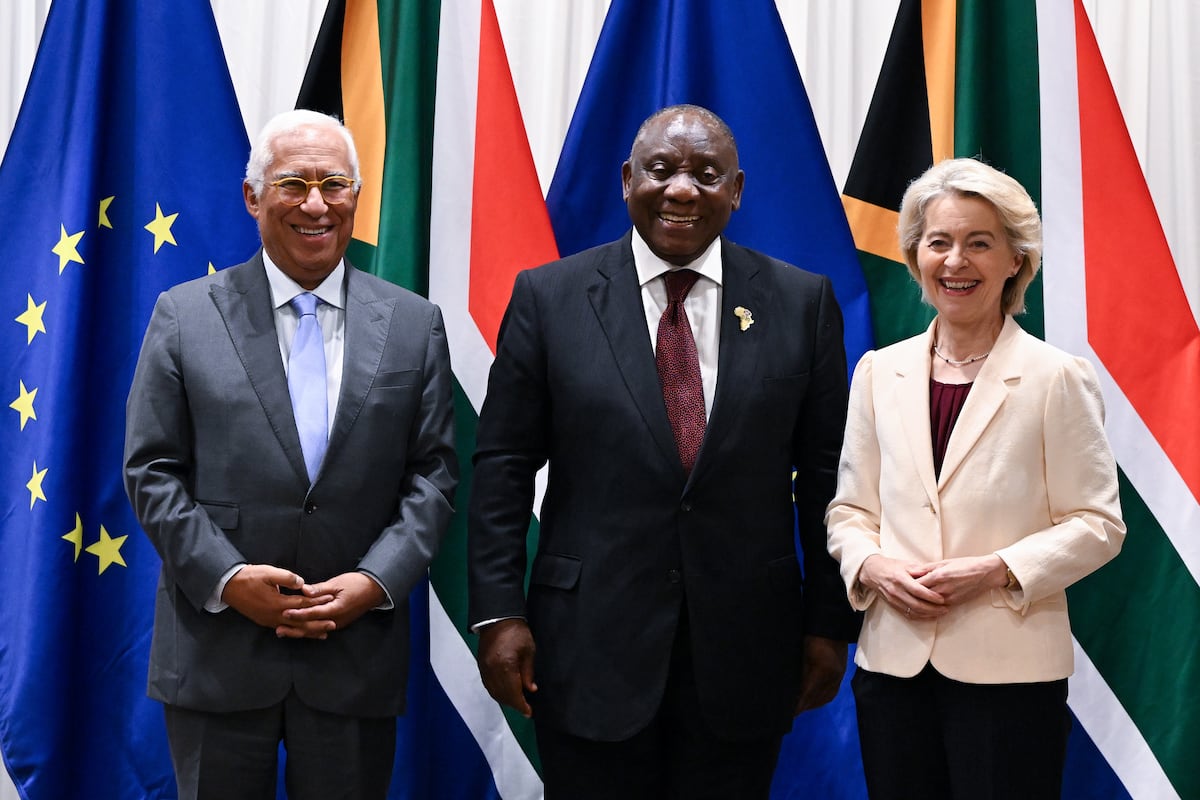
Navigating Complexities: The G20 summit and the Future of Global Cooperation
The G20 summit is once again upon us, this time hosted by South Africa, marking the fourth consecutive gathering in the Global South – a shift in geopolitical weight that’s hard to ignore. As someone who’s observed these summits for years, I can tell you the stakes are particularly high right now. It’s not just about economic coordination; it’s about navigating a world grappling wiht climate change, debt sustainability, and shifting power dynamics.
This year’s agenda, driven by the South African presidency, focuses on critical areas. Let’s break down the key priorities:
* Climate Resilience: Strengthening the ability of nations to withstand and recover from climate-induced disasters.
* Debt Sustainability: Addressing the mounting debt burdens faced by low-income countries.
* Just Energy Transition: Mobilizing financial resources to support a fair and equitable shift to clean energy.
* Critical Minerals: Establishing a framework for the responsible and inclusive exploitation of essential minerals.
However, as you might expect, achieving consensus isn’t easy. The G20 is a diverse group with varying national interests, and tensions are simmering beneath the surface.
A Clash of Priorities
while South Africa champions a proactive approach to climate action, other members hold different views. For instance, Russia and Saudi Arabia are hesitant to embrace ambitious commitments to a rapid energy transition. This isn’t surprising, given their reliance on fossil fuel revenues.
furthermore, the European Union is pushing for a resolution to China’s industrial overcapacity. The concern is that massive state subsidies are fueling a flood of goods into global markets, disrupting fair competition. They’re advocating for a trade system based on established rules and dispute resolution mechanisms.
You can see how these differing priorities create friction. It’s a delicate balancing act, requiring skillful diplomacy to find common ground.
emerging Challenges and Underlying tensions
Beyond these headline issues, several other areas are causing concern. One particularly sensitive topic is gender equality and civil rights. Regrettably, we’re seeing a resurgence of resistance to progress in these areas. The return of certain political ideologies seems to be emboldening regressive forces, making it harder to secure commitments to essential rights.
Another challenge lies in the very form of the summit’s concluding statement. Traditionally, the G20 aims for a joint declaration, signifying broad consensus. Though, the United States is advocating for a consensus-based approach, which allows individual nations more leeway.
This disagreement is notable.South africa is striving for a unified declaration, but the U.S. position could lead to option outcomes:
- A G20 Summit declaration: A diplomatic compromise, issuing a common document from all attendees.
- A Presidential Statement: A statement issued solely by the South African presidency, possibly signed only by supporting nations. This would be seen as a less successful outcome.
Reports suggest negotiators have reached a tentative agreement on a text, but the details remain confidential. The way this agreement is presented to leaders will be crucial.
What Does this Mean for You?
These developments at the G20 aren’t just abstract geopolitical maneuvering. They have real-world implications for your business, your investments, and your future.
* Economic Stability: The G20’s ability to address debt sustainability and promote fair trade will directly impact global economic stability.
* Climate Change: The decisions made regarding climate finance and energy transition will shape the pace of climate action and the risks you face from extreme weather events.
* geopolitical Risk: The tensions within the G20 reflect broader geopolitical risks that could disrupt supply chains and investment flows.
Ultimately,the success of this summit will depend on the willingness of leaders to compromise and prioritize collective action. It’s a complex landscape, but one that demands our attention. as I’ve learned over the years, these summits are rarely about grand pronouncements; they’re about
Worth a look
- Political Turnover: Resignations and New Appointments
- LeToya Luckett Addresses Rumors of Industry Blacklisting After Destiny’s Child Exit
- Russian Missile Strikes Across Ukraine Kill 13 and Prompt Polish Jets (archyworldys.com)
- Russian Strikes Kill Dozens in Ukraine; Poland Scrambles Fighter Jets (world-today-news.com)