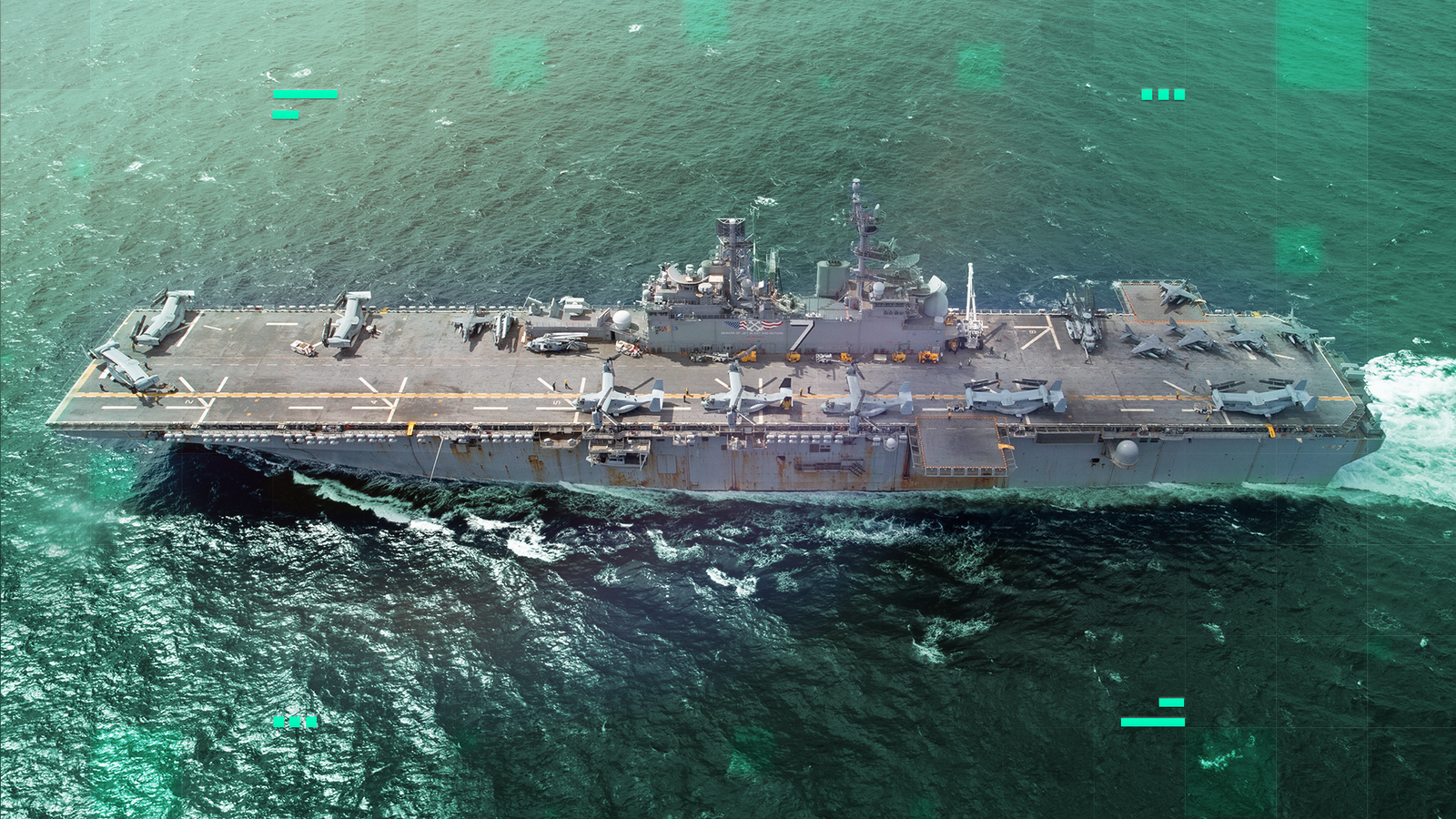
Increased U.S. Military Activity Signals Escalated Counter-Narcotics Operations
Recent observations reveal a meaningful increase in U.S. military deployments and operations, primarily focused on disrupting drug trafficking networks. This heightened activity spans both the Caribbean Sea and the Eastern Pacific,raising questions about strategy and priorities. Let’s break down what’s happening and what it means.
Recent Deployments & Strikes
On October 30th, flight tracking data showed three B-52 bombers departing from Jacksonville, florida, and Shreveport, Louisiana. These strategic assets circled their respective areas for approximately two hours before returning to base. This suggests a show of force and readiness.
Furthermore, satellite imagery captured on October 17th revealed six F-35B fighter jets stationed at José Aponte de la Torre Airport in Puerto rico.These advanced aircraft possess multi-role capabilities, including air-to-surface strikes, electronic warfare, intelligence gathering, and air-to-air combat.
The U.S. Southern Command has been actively conducting strikes against suspected drug trafficking vessels. Since October 21st, seven such strikes have occurred in the Eastern Pacific. On October 28th, officials reported 14 individuals were killed in four strikes conducted the previous day.
Focus on the Caribbean – and the Questions it Raises
While activity is increasing in both regions, some experts question the emphasis on the Caribbean Sea. Much of the drug flow into the United States reportedly utilizes the Pacific route. Therefore, a perceived lack of focus on this critical pathway is raising eyebrows.
Critics suggest prioritizing the Pacific coudl yield greater disruption of the drug supply. However, the Southern Command defends its approach, asserting a commitment to protecting U.S. interests and citizens.
Southern Command’s Strong Stance
In a recent post on social media, the U.S. Southern Command issued a stark warning. They stated that drug cartels have caused more American deaths than Al-Qaeda. Consequently, they will be pursued with the same level of determination.
The Command pledged to track, network, and ultimately eliminate these organizations. This aggressive rhetoric signals a significant shift in approach.
Why This matters to you
This escalation in military activity reflects a growing concern over the impact of drug trafficking on national security. You may be wondering what this means for border security, international relations, and the ongoing fight against drug cartels.
here’s a speedy overview:
* Increased Risk: The situation highlights the escalating violence and threat posed by narco-terrorist organizations.
* Strategic Shift: The U.S. is demonstrating a willingness to directly confront these groups, even outside conventional law enforcement frameworks.
* Potential for Escalation: The aggressive stance could lead to further confrontations and perhaps destabilize the region.
Understanding the Data & Analysis
this reporting is based on a thorough analysis of flight tracking data, satellite imagery, and official statements. Our team utilizes advanced analytical techniques to provide transparent and data-driven journalism. We combine traditional reporting with cutting-edge technology to deliver accurate and insightful information.
We are committed to explaining complex issues in a clear and accessible manner, while also demonstrating the rigor and methodology behind our work. This ensures you receive reliable and trustworthy information.
- Saudi Arabia Proposes 14-Nation Maritime Security Coalition Amid Red Sea Tensions
- LeBron James: The Global Phenomenon Coming to Philadelphia
- Adidas Shares Plunge Despite Ambitious World Cup Marketing Strategy (world-today-news.com)
- The Senate Blue Slip, Explained: The Custom Trump Wants Gone (daybreakwire.com)