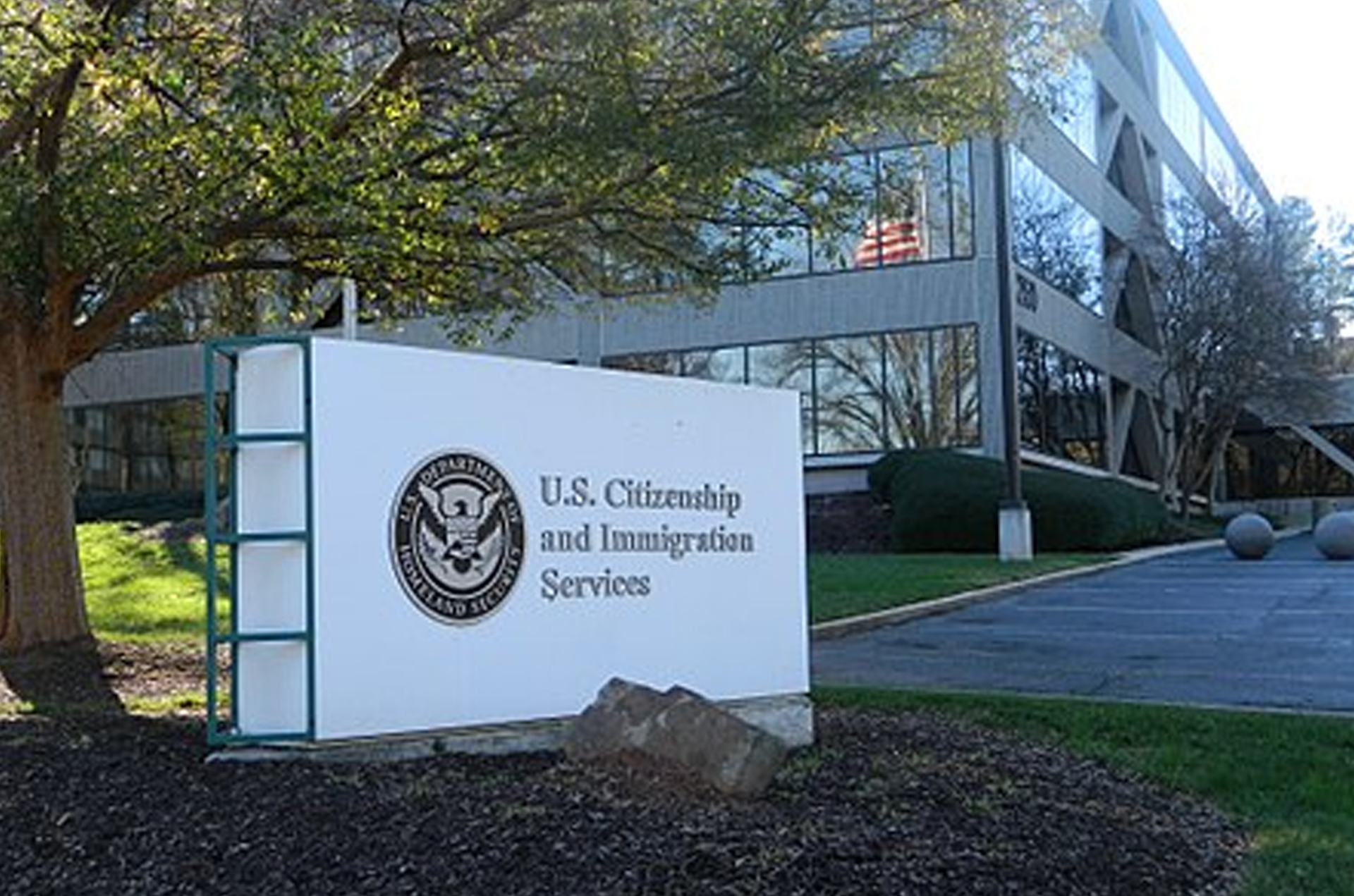
The United States Citizenship and Immigration Services (USCIS) proposed a rule on Friday that could significantly curtail work authorization for asylum seekers, potentially pausing the issuance of Employment Authorization Documents (EADs) for years. The proposed regulation, currently open for public comment, would halt the acceptance of work permit applications when average USCIS processing times exceed 180 days. This move reflects a broader effort to address a backlog in asylum claims and what officials describe as a surge in potentially fraudulent applications seeking to exploit the system for employment opportunities.
The potential suspension of work permits for asylum applicants has sparked concern among immigration advocates and legal experts, who argue it will exacerbate the financial hardship faced by vulnerable individuals whereas their claims are processed. The timing of this announcement comes amid ongoing debate over border security and immigration policy, and signals a potentially stricter approach to asylum procedures. The agency anticipates that, given current processing times, the pause on recent work permits could be “prolonged, possibly many years,” impacting a significant number of individuals seeking protection within the U.S.
Addressing a Backlog and Concerns of Fraud
USCIS officials maintain that the proposed rule is a necessary step to address an overwhelmed system and deter frivolous asylum claims. A spokesperson for the agency stated that the current system has become a “way for people to work in the United States” while their asylum cases are pending, straining resources and hindering the efficient evaluation of legitimate claims. The agency argues that the ability to quickly obtain a work permit has incentivized some individuals to file asylum applications without a genuine fear of persecution, solely to gain legal employment in the U.S. USCIS Form I-765 is the standard application used for Employment Authorization, and this proposed rule directly impacts its availability to asylum seekers.
USCIS justifies the measure in light of the record number of pending asylum applications
The proposal comes as USCIS faces a historic backlog of asylum applications. According to the agency, more than 1.4 million affirmative asylum applications are currently awaiting review. This surge in applications, coupled with lengthy processing times, has created a significant strain on the agency’s resources. The proposed rule aims to alleviate this burden by temporarily pausing the acceptance of new work permit requests, allowing USCIS to focus on adjudicating pending asylum claims. The agency estimates that without this change, processing times could stretch to between 14 and 173 years to resolve the current backlog and achieve processing within the 180-day timeframe.
Expanding the Waiting Period for Work Authorization
In addition to the proposed pause on new work permits, the rule also seeks to extend the waiting period before asylum seekers become eligible to apply for employment authorization. Currently, applicants must wait 150 days after filing their asylum claim to become eligible for a work permit. The proposed rule would increase this waiting period to 365 days. This extended waiting period is intended to further discourage individuals from filing asylum claims solely to obtain work authorization, and to align the process with the intended purpose of providing protection to those fleeing persecution.
Impact on Asylum Seekers and the Broader Economy
The potential consequences of this rule extend beyond the immediate impact on asylum seekers. Immigration advocates warn that denying work authorization could push vulnerable individuals further into poverty, making them more reliant on social services and potentially hindering their ability to effectively pursue their asylum claims. The ability to work legally allows asylum seekers to support themselves and their families, contribute to the economy, and integrate into their communities. Removing this option could have far-reaching economic and social implications.
Critics also argue that the rule unfairly targets individuals fleeing persecution, and that the focus should be on addressing the root causes of the backlog and increasing resources for asylum processing. They contend that denying work authorization will not deter fraudulent claims, but rather punish legitimate asylum seekers who are in genuine need of protection. The American Immigration Lawyers Association (AILA) has voiced strong opposition to the proposed rule, arguing that it will create unnecessary hardship and undermine the integrity of the asylum system. EFE News reported on February 20, 2026, that the rule is being framed as a way to reduce incentives for fraudulent claims.
Legal Challenges and the Public Comment Period
The proposed rule is subject to a public comment period, during which individuals and organizations can submit their feedback and concerns to USCIS. The agency is required to consider these comments before finalizing the rule. This proves widely anticipated that the rule will face legal challenges from immigration advocacy groups, who argue that it is inconsistent with U.S. Law and international obligations. The potential for litigation could further delay the implementation of the rule and create uncertainty for asylum seekers.
The proposed changes echo previous attempts to restrict access to work authorization for asylum seekers. During the Trump administration, there were efforts to limit the validity of work permits to 18 months, a move that was ultimately blocked by legal challenges. This latest proposal represents a renewed effort to tighten immigration policies and reduce the number of individuals seeking asylum in the United States. Telemundo 49 reported that the Department of Homeland Security (DHS) believes the measure will reduce the incentive for frivolous applications.
The Department of Homeland Security (DHS) argues that the proposed rule is a necessary step to restore order to the asylum system and ensure that resources are focused on those with legitimate claims. However, critics contend that the rule will have a devastating impact on vulnerable individuals and undermine the principles of humanitarian protection. The debate over this proposed rule highlights the ongoing tensions surrounding immigration policy in the United States and the challenges of balancing border security with the need to provide refuge to those fleeing persecution.
The next step in the process is the conclusion of the public comment period, after which USCIS will review the feedback received and determine whether to finalize the rule. The agency has not yet announced a specific timeline for this decision. Stakeholders on both sides of the issue are closely monitoring the situation and preparing for potential legal challenges. The outcome of this proposed rule will have significant implications for the future of asylum in the United States.
Key Takeaways:
- USCIS has proposed a rule that could pause the issuance of work permits to asylum seekers when processing times exceed 180 days.
- The agency argues the move is necessary to address a backlog and deter fraudulent claims.
- Immigration advocates warn the rule will harm vulnerable individuals and strain social services.
- The proposed rule also extends the waiting period for asylum seekers to become eligible for work authorization from 150 to 365 days.
- The rule is subject to a public comment period and is likely to face legal challenges.
This is a developing story. We encourage readers to share their thoughts and experiences in the comments below. Please also share this article with your networks to raise awareness about this critical issue.
Keep reading