
Meta Platforms, the parent company of Facebook and Instagram, maintains distinct operational policies for its Messenger service, which remains a primary tool for digital business communication for millions of users globally. While individual users often designate Messenger as a professional-only channel, the platform itself is governed by the Meta Terms of Service and specific data usage policies that apply regardless of whether an account is utilized for personal or commercial correspondence. According to the Meta Terms of Service, users retain ownership of the content they share, though they grant the company a worldwide, non-exclusive, royalty-free license to host, use, and distribute that content in accordance with privacy settings.
For professionals relying on Messenger for business, understanding how Meta processes data is essential for maintaining privacy and security. The company outlines in its Data Policy that it collects information about how users interact with the service, including the frequency and duration of activities. This data is used to provide, personalize, and improve Meta products, including the delivery of advertisements across the Facebook ecosystem. For business owners, this means that while Messenger provides a convenient interface for client outreach, it is subject to the same automated data processing as personal accounts, a distinction that remains a frequent point of discussion among privacy advocates and digital security experts.
Managing Business Communications on Meta Platforms
When users choose to utilize Facebook Messenger as a primary business communication tool, they are integrating their professional workflows into a consumer-focused architecture. Unlike dedicated enterprise platforms such as Slack or Microsoft Teams, which often offer enterprise-grade data retention policies and administrative controls, Messenger is designed primarily for social connectivity. According to the Meta Business Help Center, businesses can utilize professional tools like Meta Business Suite to manage communications more effectively, though these tools still operate within the broader framework of Meta’s data collection practices.
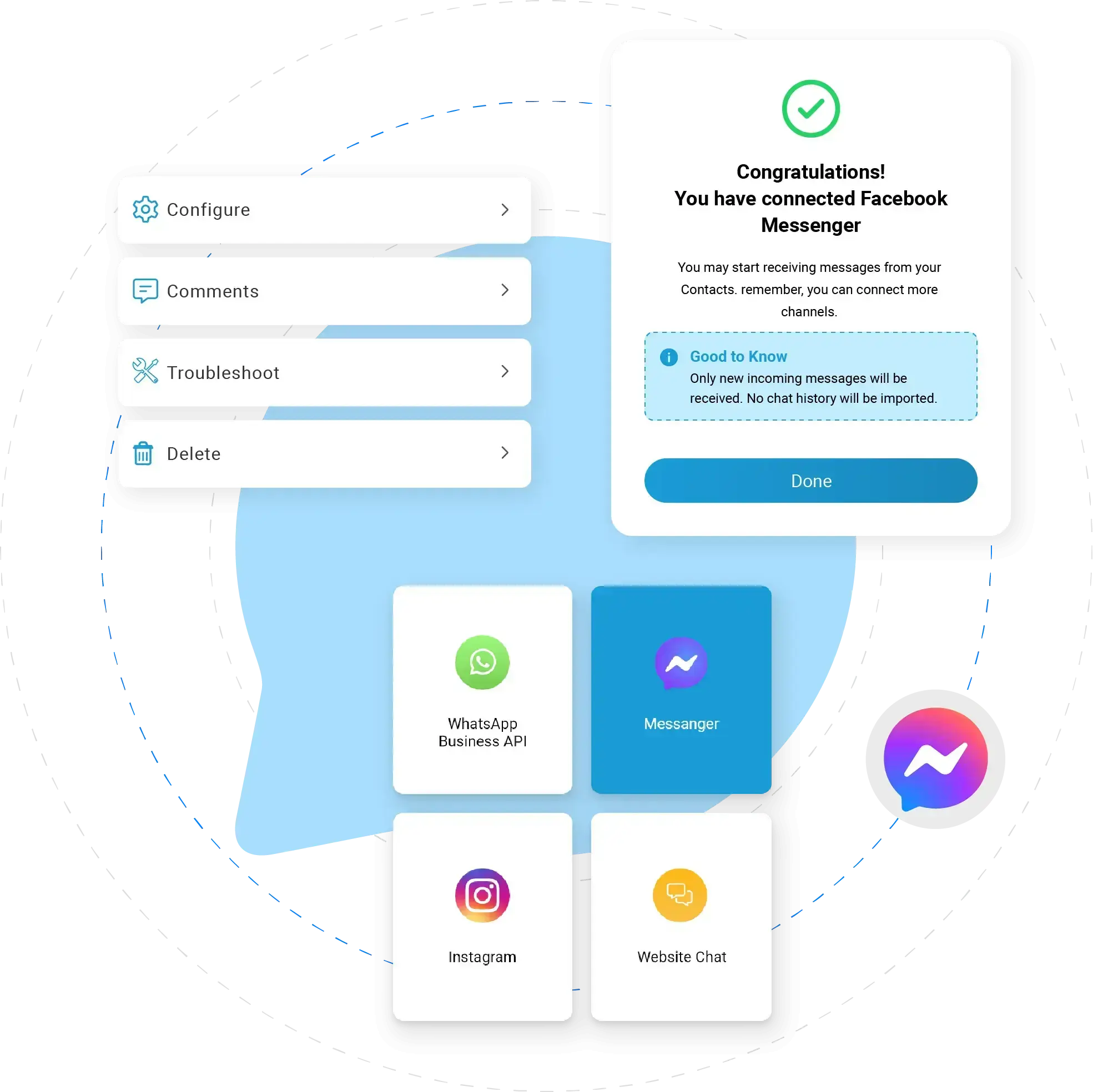
The reliance on Messenger for business often stems from its high penetration rate, with Meta reporting that over 3 billion people use its family of apps daily as of 2024. However, relying on a consumer-grade app for sensitive business data requires caution. Security researchers frequently advise that users enable end-to-end encryption for sensitive conversations. Meta has been rolling out default end-to-end encryption for all personal messages and calls, ensuring that only the sender and recipient can access the content of their communications. This security upgrade is a significant shift for the platform, as it prevents Meta, law enforcement, or third parties from intercepting the content of encrypted chats.
Security and Privacy Considerations for Professionals
Professionals who set boundaries, such as requesting that clients use Messenger strictly for business, are often attempting to manage their digital professional presence. However, platform-wide settings—such as “Active” status, read receipts, and message request filtering—can impact the professional experience. As noted in the Messenger Help Center, users maintain granular control over these settings, allowing for the customization of notifications and visibility. These features are critical for maintaining a professional boundary while operating within a social networking environment.

It is important to differentiate between standard Messenger usage and specialized business tools. Meta offers Messenger for Business, which integrates with Facebook Pages and allows for automated responses, chatbots, and CRM integration. These tools are distinct from a personal profile and provide a more robust infrastructure for customer support. Businesses that move from personal messenger profiles to official business pages gain access to analytics and more professional management features, which can better serve the needs of a commercial operation than a standard personal account.
Regulatory Landscape and Data Protection
The use of social media platforms for business is subject to evolving global regulations, including the General Data Protection Regulation (GDPR) in the European Union and the California Consumer Privacy Act (CCPA) in the United States. According to the Meta GDPR Compliance portal, the company provides tools for businesses to manage their data in compliance with these legal frameworks. For any business using Messenger, it is incumbent upon the user to understand how their client data is stored and whether their usage complies with industry-specific regulations, such as HIPAA for healthcare or FINRA requirements for financial services.
As Meta continues to integrate its messaging services across Facebook, Instagram, and WhatsApp, the landscape for business communication is likely to undergo further changes. The company has focused on increasing the interoperability of its messaging services, a move that has drawn scrutiny from global regulators, including the European Commission’s Digital Markets Act, which mandates that large “gatekeeper” platforms ensure their messaging services remain open and interoperable with smaller competitors. Users should monitor official Meta newsroom updates for future changes to service terms and data handling procedures.
For those seeking to optimize their professional communication, staying informed about platform updates is a continuous process. Readers are encouraged to review the official Meta Newsroom for the latest announcements regarding service changes. If you have questions about how these policies affect your business operations, feel free to share your experiences or questions in the comments section below.
Worth a look