
The United States Men’s National Team (USMNT) is preparing for the 2026 FIFA World Cup, a tournament where the squad will serve as co-hosts alongside Canada and Mexico. While official 26-man rosters are not released by U.S. Soccer until the tournament cycle begins, the core of the team is expected to be comprised of established professionals playing in Europe’s top divisions. Under the management of Mauricio Pochettino, the squad is undergoing a transition toward a veteran-heavy lineup capable of competing on the global stage.
The upcoming tournament represents the largest in FIFA history, featuring an expanded field of teams. For the American players, the event provides a unique opportunity to compete in front of home crowds in major venues across the United States. The selection process will focus on players who have demonstrated consistent performance in high-pressure environments, such as the English Premier League, Italian Serie A, and German Bundesliga.
The Offensive Frontline: Striker Competition and Wing Play
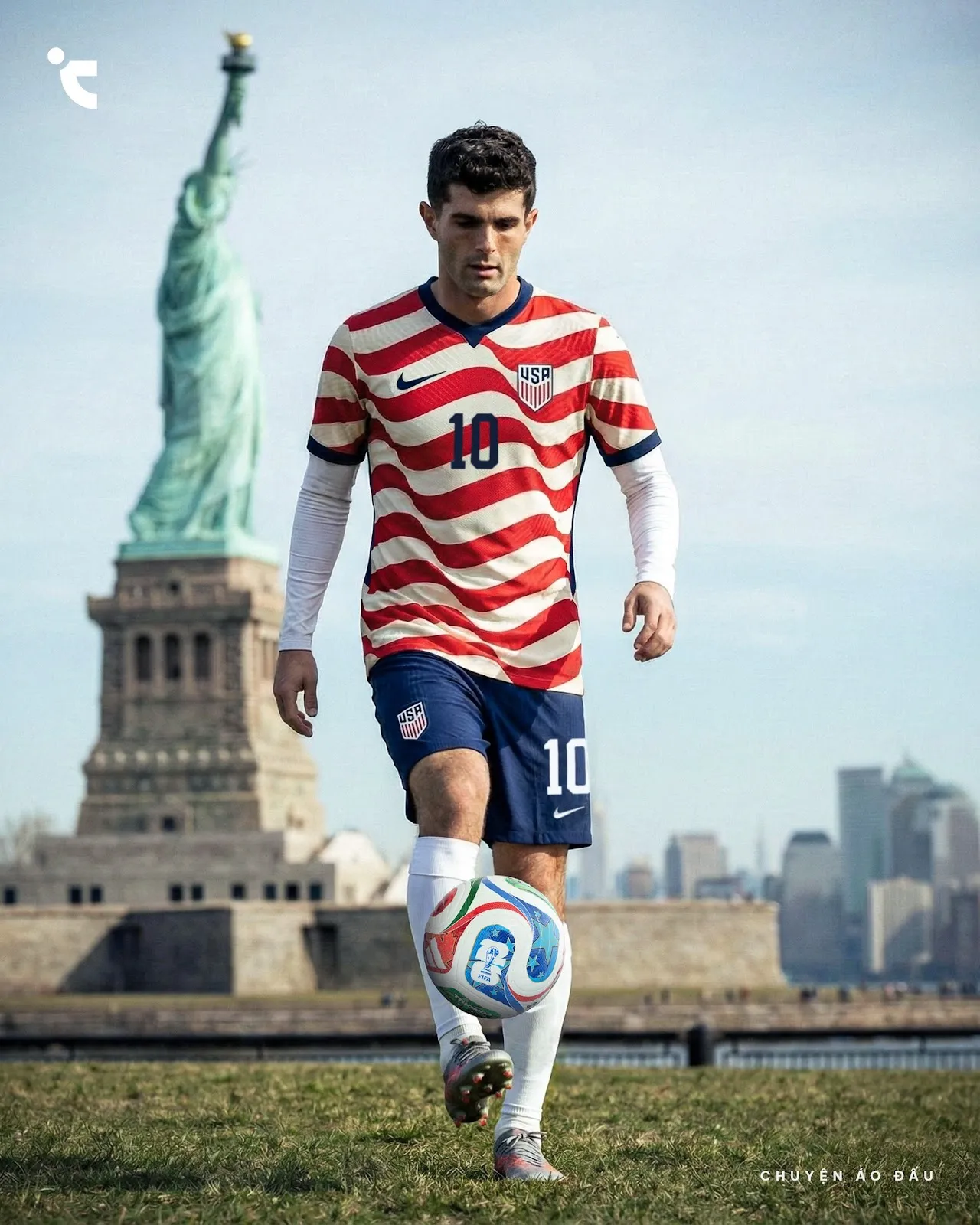
The attacking unit for the 2026 campaign is expected to feature a mix of established stars and rising talents from major European clubs. Christian Pulisic, currently playing for AC Milan in Italy’s Serie A, remains the central figure of the American attack. Pulisic, who scored a decisive goal against Iran during the 2022 World Cup, has transitioned into a leadership role within the squad and continues to be a primary playmaker for both club and country.

Competition for the starting striker position is expected to be intense. Folarin Balogun, an Arsenal academy graduate currently representing AS Monaco in France, has emerged as a significant offensive threat. Balogun’s ability to stretch defenses has made him a key component of the national team’s tactical setup. He will likely compete for minutes with Ricardo Pepi, who plays for PSV Eindhoven in the Dutch Eredivisie. Pepi has established himself as a consistent scorer in the Netherlands, though he continues to seek a permanent starting role within the USMNT hierarchy.
Other attacking options include Haji Wright, who plays for Coventry City in England, and Tim Weah, a versatile forward for Marseille in France. Wright provides physical presence in the box, while Weah offers pace and ability on both flanks. Additionally, Alex Zendejas, currently with Club América in Mexico, provides a left-footed option for the wings, having previously represented the United States at the youth level.
Midfield Engines and Playmaking Ability
The USMNT midfield is expected to be anchored by Tyler Adams, the AFC Bournemouth midfielder who has previously served as team captain. Adams is recognized for his high work rate and ability to disrupt opponent transitions. He will likely be joined by Weston McKennie, a versatile midfielder for Juventus in Italy. McKennie’s ability to arrive late in the penalty area and his presence in defensive transitions make him a cornerstone of Pochettino’s tactical plans.
Playmaking duties will likely fall to Gio Reyna and Malik Tillman. Reyna, playing for Borussia Mönchengladbach in Germany, has shown significant technical ability, though his recent seasons have been impacted by injury concerns. Tillman, currently with Bayer Leverkusen, offers a different profile with his ability to operate in central and attacking midfield roles. Tillman’s recent performances in the Bundesliga have solidified his position as a rising talent in the American midfield pool.
Depth in the midfield will be provided by players such as Brenden Aaronson of Leeds United and Christian Roldan of the Seattle Sounders. Aaronson brings experience from the English Championship and the Austrian Bundesliga, while Roldan provides veteran presence from Major League Soccer (MLS). Sebastian Berhalter, playing for the Vancouver Whitecaps, also offers specialized skills in set-piece delivery.
Defensive Stability and Backline Leadership
Defending for the United States in 2026 will require a blend of veteran composure and youthful athleticism. Tim Ream, the veteran defender for Charlotte FC, is expected to provide essential leadership. Ream’s experience in the English Premier League with Fulham makes him a primary candidate to anchor the backline. He will likely partner with center-backs such as Chris Richards of Crystal Palace and Mark McKenzie of Toulouse in France.
Richards, a former FC Dallas academy product, has gained significant experience in English football, contributing to Crystal Palace’s recent domestic success. Miles Robinson, currently with FC Cincinnati, also offers height and aerial strength in the center of defense. The defensive unit will also rely on the versatility of Joe Scally, who plays for Borussia Mönchengladbach, capable of operating at right-back or as a defensive midfielder.
The fullback positions are expected to be occupied by Antonee “Jedi” Robinson and Sergiño Dest. Robinson, a key player for Fulham, is widely considered one of the premier left-backs in the Premier League. Dest, playing for PSV Eindhoven, provides a highly technical, two-footed option on the right flank. Newer prospects like Alex Freeman of Villarreal and Max Arfsten of the Columbus Crew provide additional depth as the squad prepares for the tournament.
The Goalkeeping Hierarchy
The battle for the starting goalkeeper position remains one of the most closely watched aspects of the USMNT roster. Matt Turner, currently with the New England Revolution, has been the primary choice for major international tournaments, including the 2022 World Cup. Turner’s experience in high-stakes matches provides a level of stability that the coaching staff values.
However, emerging talent from MLS is challenging the established order. Matt Freese of New York City FC has seen a rapid ascent in recent months, following strong performances in domestic competition. Additionally, Chris Brady of the Chicago Fire is regarded as one of the top young goalkeeping prospects in the country. The competition between Turner and the younger generation will likely influence the final selection of the three goalkeepers for the 2026 tournament.
The 2026 FIFA World Cup will serve as the ultimate test for this generation of American players. While the official roster announcement remains months away, the current trajectory of these athletes suggests a squad built on European experience and tactical versatility. Official updates regarding player availability and training camps are expected to be released through U.S. Soccer in the coming year.
What do you think of this projected core for the 2026 World Cup? Share your thoughts in the comments below and share this article with your fellow supporters.
Worth a look