
The U.S. Postal Service has introduced a proposed rule aimed at establishing uniform standards for the mailing of absentee ballots, a move that has drawn significant scrutiny regarding the future of mail-in voting. The proposal includes new requirements for ballot envelopes and the creation of a “Mail-In and Absentee Participation List,” which would track voters eligible to cast ballots by mail. According to Wisconsin Public Radio, the plan seeks to allow law enforcement to compare the number of ballots mailed to the number received to identify potential irregularities.
This development follows a March executive order from President Donald Trump, which stipulates that the Postal Service should not transmit mail-in or absentee ballots unless the individual voter is enrolled on a state-specific list. The proposed rule, introduced by the Postal Service on Tuesday, highlights a tension between federal administrative standards and the traditional state-level control of election procedures. While the proposal suggests states will retain authority over their participation lists, the requirement for federal barcode tracking has prompted concerns from critics regarding the potential for increased federal oversight of local voting processes.
The Mechanics of the Proposed Participation List
Under the framework outlined by the U.S. Postal Service, the responsibility for maintaining the voter lists would fall to each state’s top election official. These officials would be required to submit the names of eligible voters along with the specific barcodes associated with their absentee or mail-in ballots. The stated intent is to enhance the integrity of the process by providing a mechanism to monitor the total volume of ballots distributed and returned. The U.S. Postal Service remains the primary entity responsible for the physical processing and delivery of these items, though this new layer of administrative tracking represents a departure from existing standard operating procedures.
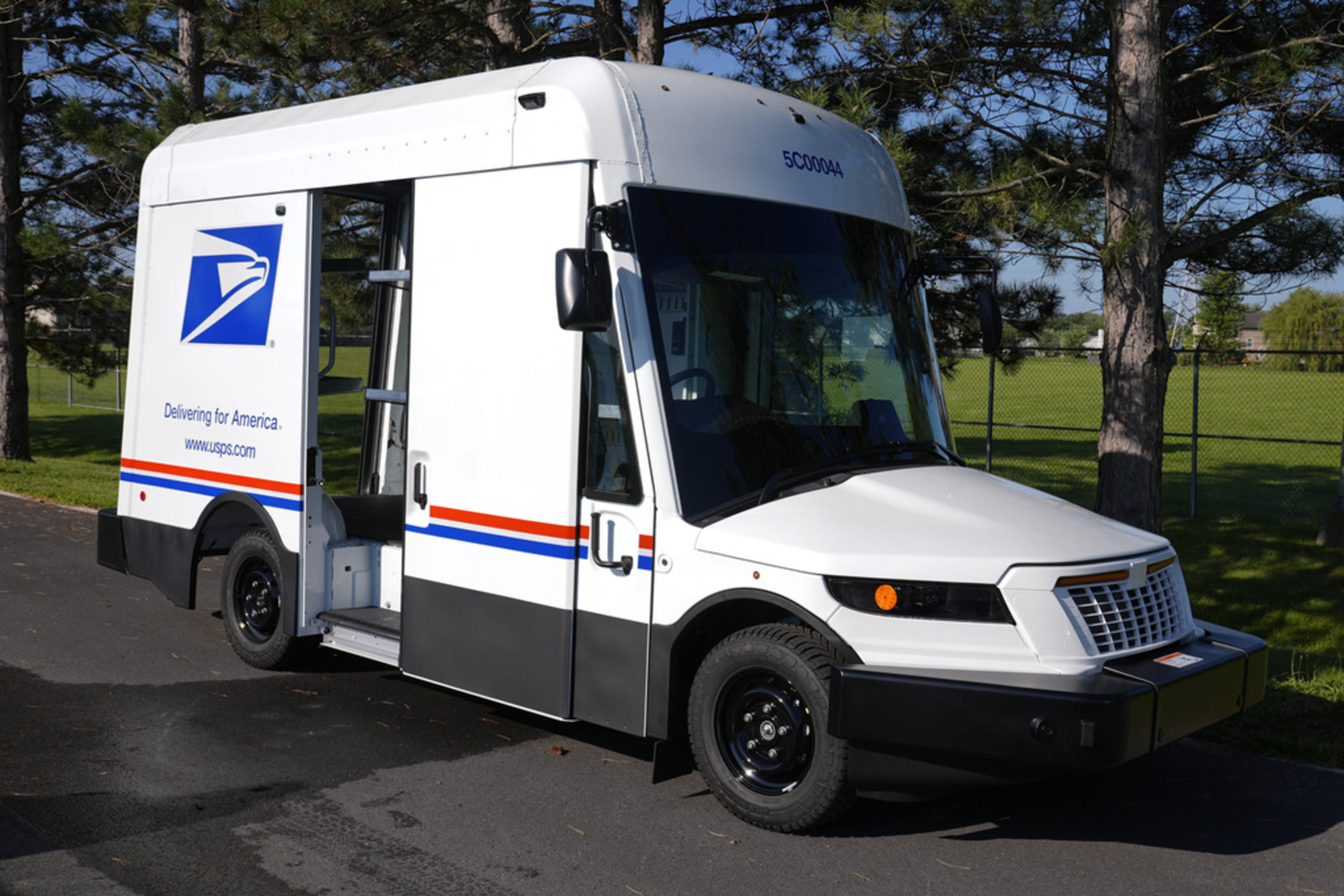
Legal experts and state officials have noted that the proposal faces a complex path forward. In Wisconsin, election officials have indicated they are not rushing to align with the new standards, citing the likelihood of impending legal challenges. The rule is currently viewed by some as an extension of the broader policy goals established in the president’s March executive order, which mandated that the Postal Service restrict its transmission of ballots to those verified through these newly defined state lists. The vagueness of the proposal regarding the status of voters not included on such lists has become a focal point for those questioning the impact on voter access.
Legal and Political Context of Mail-in Voting
The landscape of mail-in voting has been shaped by a series of recent court actions and executive directives. While some lower courts have faced challenges to the administration’s voting policies, the overall legal environment remains in flux. The U.S. Postal Service’s current proposal acts as a functional implementation of the executive branch’s directive, attempting to standardize what has historically been a patchwork of state-level regulations. Because the U.S. Postal Service operates as an independent agency, its internal policy changes carry significant weight, yet they are subject to the same judicial review as other federal regulations.
The debate centers on whether these new requirements impose an undue burden on voters or election administrators. By requiring specific envelope standards and a centralized participation list, the Postal Service is effectively changing the logistics of how ballots reach voters and how they are returned to local offices. Supporters of the measure argue that such standardization is necessary to ensure consistency across jurisdictions, while opponents characterize the move as an attempt to restrict the use of mail-in ballots by creating additional layers of administrative hurdles that could lead to ballot disqualification or voter confusion.
What Happens Next for Election Standards
The proposed rule is currently in a period of review, and stakeholders are awaiting further guidance on how these standards will be implemented at the state level. Because the Postal Service has introduced these requirements as a new rule, the standard process for federal administrative changes applies, meaning that public comment and potential legal intervention will likely play a role in the final outcome. State election boards are expected to monitor federal court rulings closely to determine if the Postal Service’s requirements will hold up against constitutional challenges regarding state sovereignty over elections.

For voters, the immediate impact remains limited as states evaluate their compliance with the proposed federal standards. Officials have not yet announced a definitive date for the full implementation of the “Mail-In and Absentee Participation List,” and further updates are expected as the Postal Service responds to inquiries from state election commissions. Readers are encouraged to check with their local election offices for the most current information regarding absentee ballot procedures in their specific jurisdiction, as these rules may vary significantly pending the outcome of these federal developments.
We will continue to monitor the progress of this proposal and provide updates as new legal filings or official statements are released by the Postal Service or the courts. Please share your thoughts in the comments below, or join the conversation on our social channels as this story develops.
Related reading