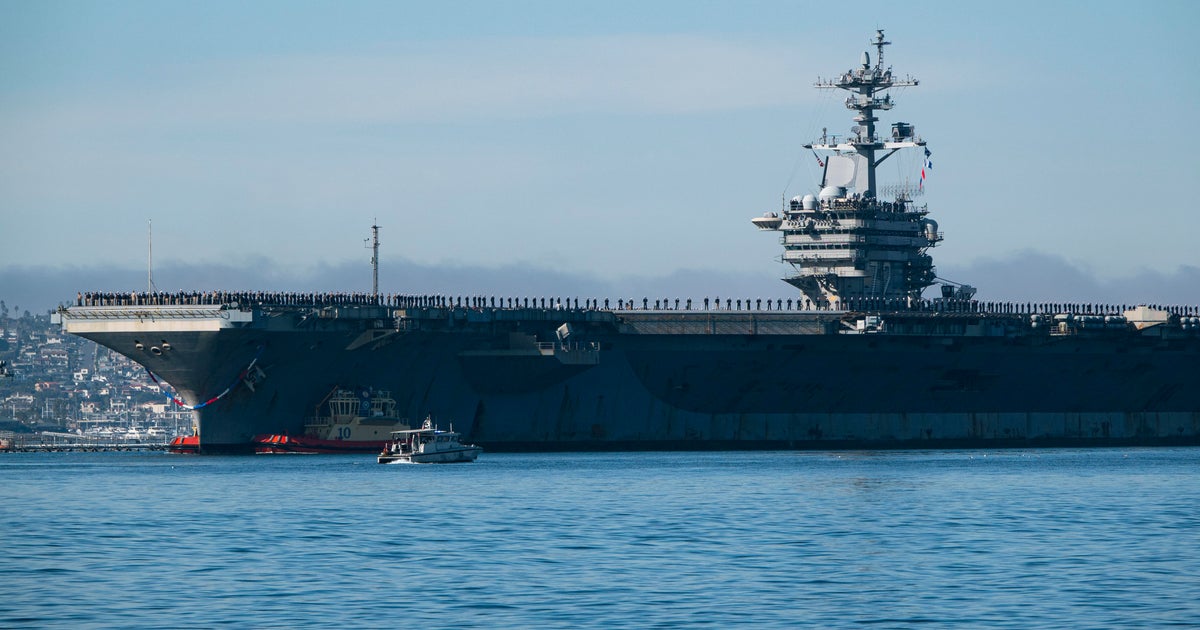
Democratic leaders in the United States Senate have formally demanded answers from top defense officials regarding severe operational strain, supply shortages, and crew well-being aboard the aircraft carrier USS Abraham Lincoln. The vessel is currently operating in the North Arabian Sea amid heightened regional tensions involving Iran.
In a letter sent to Defense Secretary Pete Hegseth and acting Navy Secretary Hung Cao, lawmakers highlighted mounting pressures on the 5,000 sailors assigned to the ship. According to the correspondence, the carrier has been deployed for more than 250 days and has spent over 200 days without a port call, pushing service members and equipment to the limits of modern naval endurance.
The inquiry sheds light on the heavy toll exacted by sustained carrier operations in the U.S. Central Command area of responsibility.
Congressional Inquiry Cites Supply Shortages and Mental Health Concerns
The congressional push was initiated by Sen. Richard Blumenthal, the top Democrat on the Senate Armed Services Committee, who detailed a litany of hardships reported by sailors and their families. In his letter, Blumenthal pointed to widespread issues including shortages of basic supplies, water contamination, plumbing issues, deck safety concerns, and mail disruptions that have left care packages lost in transit for months.
“These reports warrant immediate attention, but they also raise a broader question: whether the Navy can sustain the operational tempo now being demanded of its carrier force, particularly as this Administration repeatedly commits U.S. forces to conflicts of its own choosing and increasingly relies on aircraft carriers to sustain those operations,” Blumenthal wrote in the letter.
The extended deployment also brought scrutiny to sailor safety and mental health. According to reports from the Military Times, family members voiced alarm over sailors attempting to go overboard during the grueling tour. A U.S. official confirmed to ABC News that a sailor went overboard from the Lincoln in early August and was quickly recovered, with the incident remaining under investigation.
Pentagon Pushback and Navy Data on Crew Strain
Defense leadership pushed back against characterizations of distress aboard the vessel. Defense Secretary Pete Hegseth told Newsmax that accounts of sailors struggling through the deployment had been “completely misrepresented.”
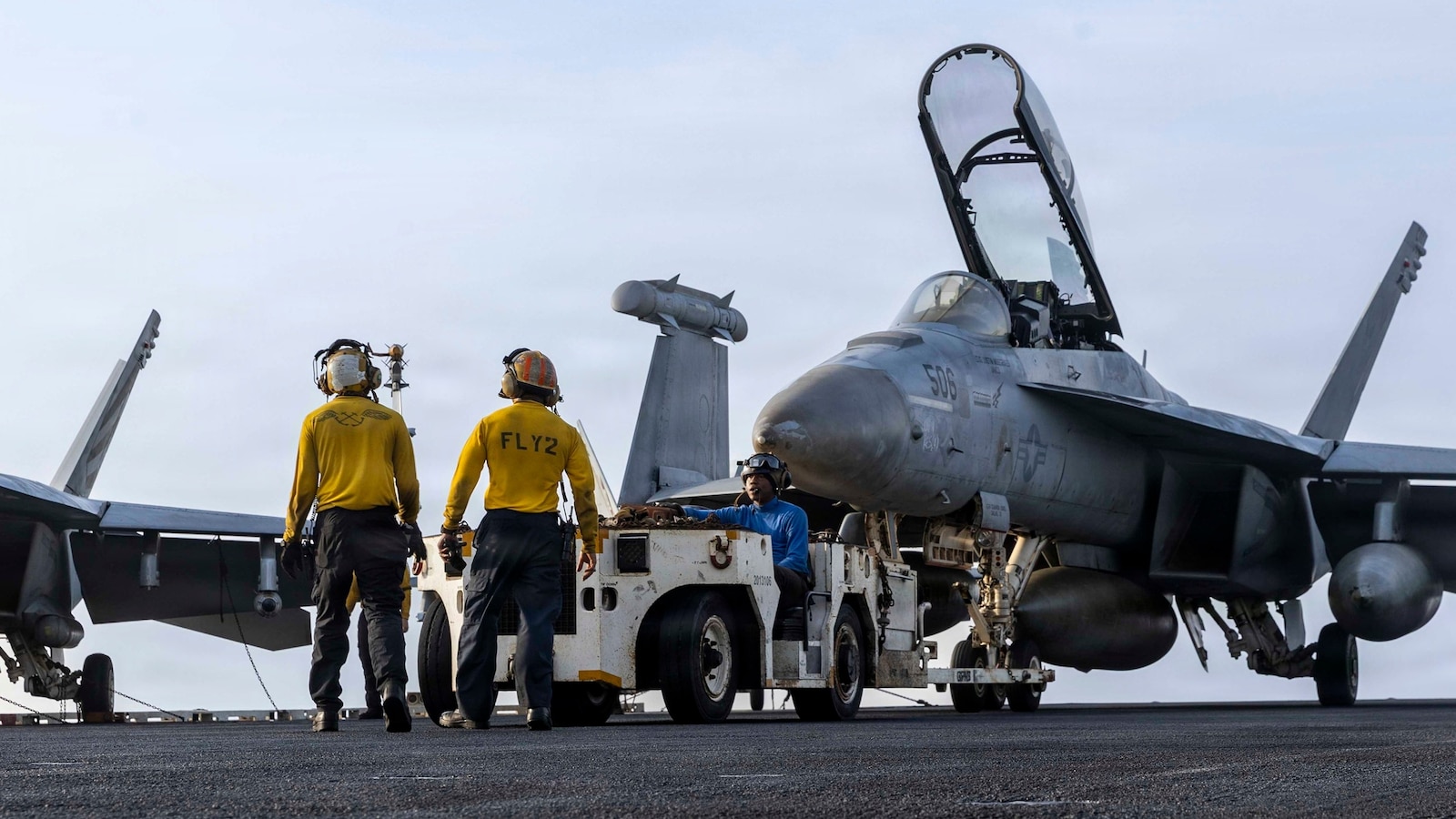
“We make sure every ship, every crew, every captain has everything we can provide them at every single moment,” Hegseth said, expressing deep gratitude for the crew.
A Navy official stated that the Lincoln has not registered an abnormal uptick in mental health crises or suicidal ideation. While acknowledging that extended deployments create heavy strain on service members and their families, the official noted that data shows suicidal ideation rates on deployed ships typically run higher at the start of a mission—a trend the Lincoln has followed without any recorded deaths or suicides since leaving San Diego last November. The Navy emphasizes that chaplains and mental health professionals remain available to the 5,000 personnel aboard.
Deployment Extensions and Planned Fleet Rotation
The USS Abraham Lincoln originally deployed for a standard six-month mission to the Pacific before being redirected to the Middle East as regional conflict escalated. That redirection extended the tour into a nine-month deployment, leaving an uncertain timeline for the crew’s return.
Acting Navy Secretary Hung Cao addressed family members during a town hall meeting, confirming that another aircraft carrier will eventually relieve the Lincoln. A U.S. official subsequently stated to ABC News that the USS George Washington, homeported in Japan, is slated to replace the Lincoln as part of a scheduled rotation of ships.
Related reading