Utah Governor Spencer Cox has officially intervened in the escalating debate surrounding large-scale infrastructure projects, issuing a formal directive that establishes a higher bar for data center development in Utah. The executive order, signed on May 29, 2026, mandates that state agencies implement a rigorous framework to evaluate future hyperscale projects, placing a specific emphasis on the preservation of natural resources and public utility stability. This policy shift follows months of intense public discourse, particularly in Box Elder County, where the massive Stratos Project—a development frequently associated with investor Kevin O’Leary—has become a flashpoint for community concerns regarding environmental impact and regional growth.
The governor’s move represents a significant recalibration of the state’s approach to the booming AI infrastructure sector. By prioritizing water conservation, air quality, and the protection of local utility rate payers, the administration is signaling that while Utah remains open to technological investment, such projects must align with the long-term interests of its residents. The framework, which is effective immediately, requires a more transparent, human-led approach to AI development and ensures that public feedback is integrated into the planning process for facilities that demand extraordinary amounts of power and water.
Today I signed an Executive Order establishing a higher bar for data center development in Utah. Utahns deserve confidence that water resources, air quality, utility rates, wildlife, and quality of life will be protected. This framework helps ensure that data center development… pic.twitter.com/yrASJOVvJi— Governor Cox (@GovCox) May 29, 2026
The Stratos Project and the Regional Debate
At the center of this legislative adjustment is the Stratos Project, a sprawling infrastructure endeavor in Box Elder County that has drawn both intense scrutiny and vocal support. Proponents of the facility, which could eventually scale to 9 gigawatts of power capacity, argue that it will function as a cornerstone for the regional economy, creating high-skilled jobs and positioning Utah as a leader in the global artificial intelligence landscape. However, the project’s massive footprint—encompassing 40,000 acres—has led to significant friction with local communities who cite concerns about the potential strain on the Great Salt Lake’s fragile ecosystem, increased traffic, and noise pollution.

Public tension reached a visible peak on May 23, 2026, when residents gathered outside the Utah State Capitol to voice their opposition to the project. The protest highlighted a growing divide between industrial ambitions and local quality-of-life expectations. According to local reporting, the developers have acknowledged the intensity of the community response, noting that they received over 2,000 inquiries from residents regarding the project’s scope and environmental footprint. The governor’s office has since facilitated a phased development approach, requiring the project to secure new, separate permits for each stage of its expansion, thereby providing regulators with multiple opportunities to halt or amend the plans based on performance and impact assessments.
Utahns opposing the Stratos Project protest outside the Utah State Capitol on May 23. Natalie Behring/Getty Images
A New Framework for AI Infrastructure
The executive order establishes eight distinct principles that agencies must now apply when reviewing applications for new data centers. These mandates are intended to move beyond the traditional economic-first assessment model. Key pillars of the new framework include:
- Water Resource Protection: Specific requirements to mitigate the impact on water-stressed regions, including the Great Salt Lake basin.
- Utility Rate Stability: Measures to ensure that the massive energy demands of hyperscale computing do not lead to disproportionate cost increases for residential and small-business utility customers.
- Public Engagement: A legal mandate for transparent and meaningful opportunities for public comment, ensuring that the voices of local residents are recorded and addressed during the permitting phase.
- Environmental and Wildlife Stewardship: Proactive planning to minimize disruption to local wildlife habitats and maintain air quality standards.
By codifying these values, Governor Cox is attempting to institutionalize a “Utah-first” approach to the digital economy. The directive serves as a reminder that the rapid deployment of AI-ready infrastructure—often driven by global demand—must be balanced against the finite environmental and social resources of the state. It also serves as a template for other regions currently grappling with the rapid influx of massive data center applications, which have become a contentious political issue ahead of the 2026 midterms.
National Context: Data Centers as a Political Litmus Test
Utah is not an isolated case. Across the United States, local governments are increasingly finding themselves at the center of a national debate over the energy-intensive nature of modern computing. In February 2026, for example, a city in New Jersey successfully blocked a proposed data center after intense lobbying from residents who feared the facility would overwhelm local infrastructure and diminish home values. These events reflect a broader trend where municipalities are beginning to challenge the assumption that large-scale tech development is inherently beneficial to every community.
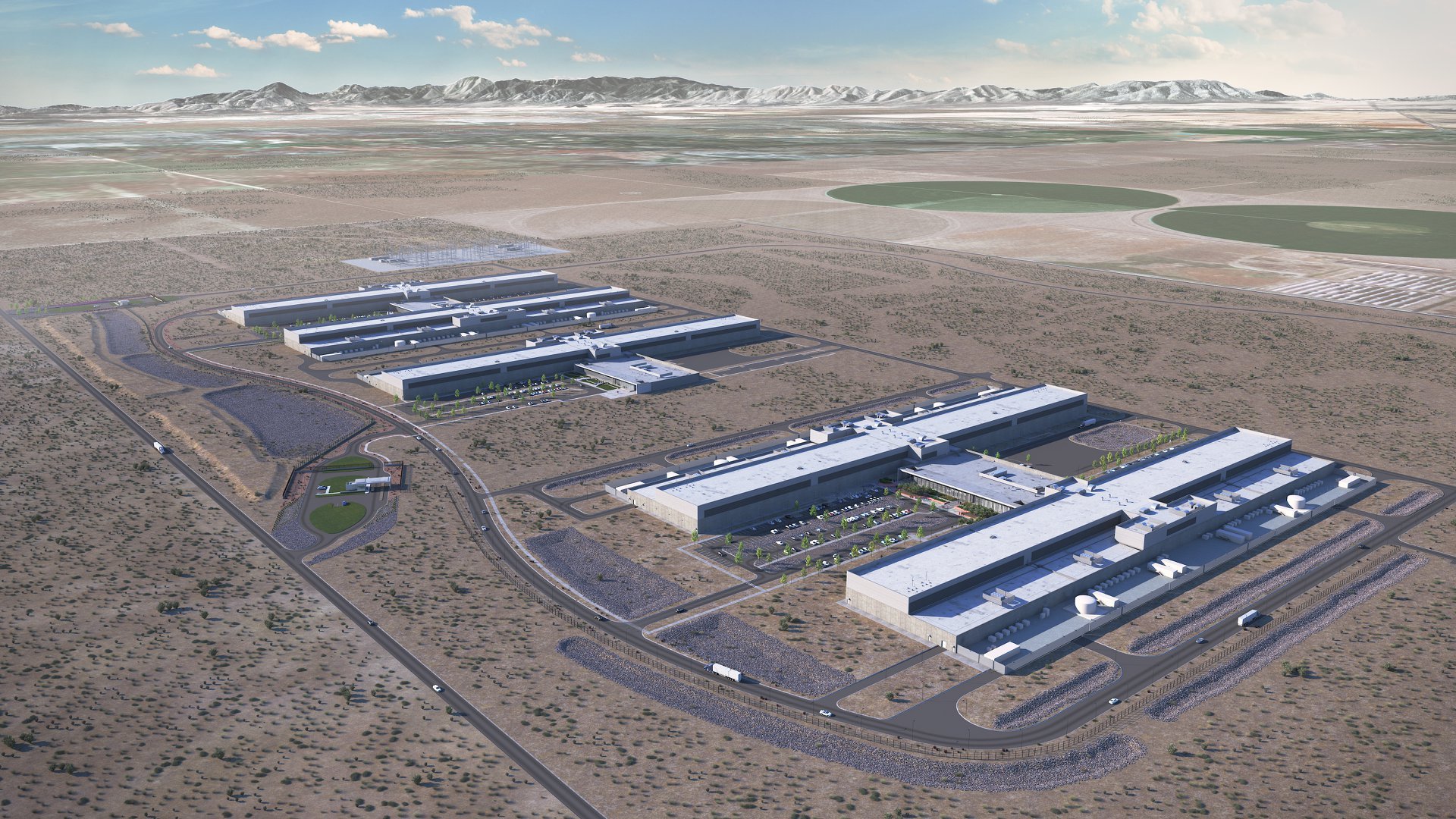
The political stakes are high. As local officials face pressure from both economic development boards and their own constituents, the ability to negotiate strict environmental and community benefits agreements has become a defining skill for modern governance. The “Wonder Valley” project, as We see colloquially known, remains a bellwether for how state governments will handle the intersection of private investment and public welfare in the coming years. Investors, including those in the private equity space, are now being forced to navigate a much more complex regulatory environment where “social license to operate” is just as critical as technical feasibility.
Looking Ahead: What Comes Next?
For the residents of Box Elder County and stakeholders in the Stratos Project, the immediate future will be defined by the rigorous implementation of the governor’s new permitting requirements. The phased approach means that each subsequent expansion of the facility will be subject to public review, providing a recurring venue for the debate over the project’s long-term impacts. State agencies are currently in the process of drafting the specific administrative rules that will govern these permit applications, with further guidance expected from the Utah Department of Environmental Quality and the Public Service Commission in the coming months.
As the state prepares for the next round of regulatory filings, the focus will remain on whether these new, higher bars for development can successfully mitigate the concerns of the local population while maintaining the state’s attractiveness for future technological investment. We will continue to track the progress of the Stratos Project and the implementation of these new state policies as more details become available. We invite our readers to share their thoughts on the balance between AI-driven economic growth and local resource preservation in the comments section below.
Worth a look