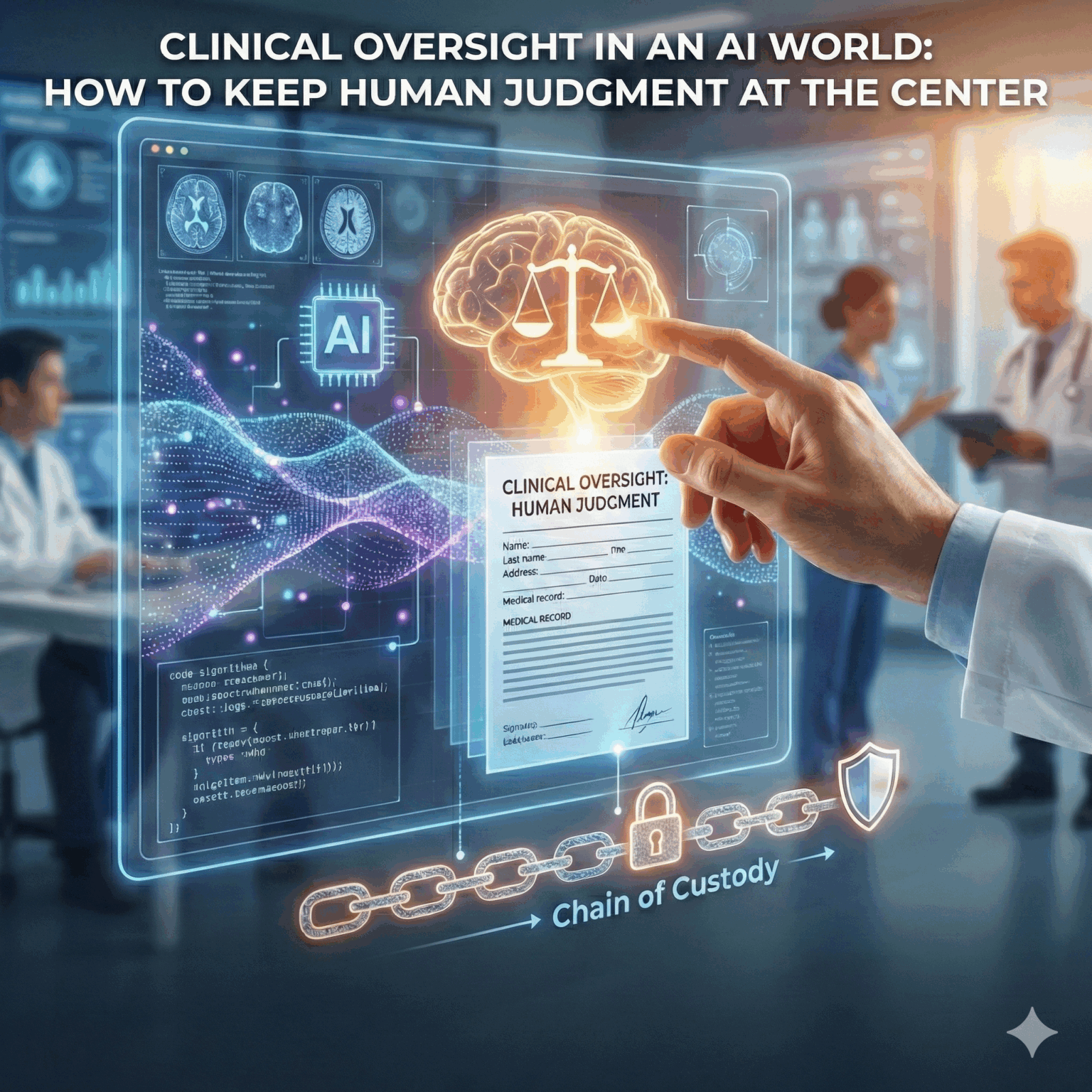
As the integration of artificial intelligence into clinical environments accelerates, the challenge of maintaining rigorous safety standards without stifling innovation has become a focal point for healthcare policymakers. In Utah, a pioneering initiative has emerged: a clinical AI sandbox. This framework serves as a controlled environment designed to test and validate AI algorithms before their widespread deployment in patient care, offering a blueprint for how independent oversight can function in a rapidly evolving technological landscape.
For healthcare systems, the promise of AI lies in its potential to augment diagnostic accuracy and personalize treatment plans. However, the “black box” nature of many machine learning models poses significant risks, ranging from algorithmic bias to unintended clinical outcomes. The Utah model addresses these concerns by creating a space where developers and clinicians can collaborate under the watchful eye of independent regulators, ensuring that safety is not an afterthought but a foundational requirement of the development lifecycle.
Establishing the Framework for Independent Oversight
The core of Utah’s approach to clinical AI regulation centers on the concept of a regulatory “sandbox.” This methodology, which has been utilized in financial technology and other highly regulated sectors, allows for the testing of new products under a set of relaxed or tailored requirements, provided that the entity operates within a defined scope and adheres to strict reporting mandates. In the context of Utah’s healthcare sector, In other words that AI tools are subjected to real-world data validation while maintaining clear boundaries to protect patient privacy, and safety.
Independent oversight is the linchpin of this structure. Unlike internal corporate reviews, which may prioritize speed to market, an independent sandbox environment invites multidisciplinary scrutiny. This includes input from clinical experts, data scientists, and ethicists who assess the algorithm’s performance against diverse patient populations. By moving validation outside of the traditional developer-centric cycle, Utah’s model aims to identify performance gaps—such as the tendency for certain models to underperform on specific demographic groups—before they reach the bedside.
Why the Sandbox Matters for Patient Safety
The implications of this oversight model extend far beyond the borders of Utah. As national and international bodies, including the U.S. Food and Drug Administration (FDA), continue to refine their approaches to regulating AI-enabled medical devices, the data generated from such sandboxes provide invaluable insights into best practices for lifecycle monitoring. A key concern for clinicians is “model drift,” where an algorithm’s performance degrades over time as the underlying data distribution changes. The sandbox environment necessitates continuous monitoring, forcing developers to account for the dynamic nature of clinical data.

the sandbox serves as a mechanism for building public trust. Patients are increasingly aware of the role data plays in their care, and transparency regarding how AI tools are vetted can help alleviate concerns about data security and algorithmic fairness. By establishing a clear, independent process for validation, healthcare systems can demonstrate that they are acting as responsible stewards of patient information while leveraging the latest innovations in medical technology.
Challenges and Future Directions
Despite the promise of the sandbox approach, several challenges remain. Scalability is a significant hurdle. as the number of AI applications grows, the resources required for independent oversight must keep pace. There is also the question of standardizing metrics for success. What constitutes “safe” or “effective” for an AI diagnostic tool may vary significantly depending on the clinical context—from radiology image interpretation to predictive analytics in emergency medicine.
The Utah model highlights that independent oversight is not a static destination but a continuous process of engagement. It requires ongoing dialogue between technology providers, healthcare institutions, and regulatory bodies. As we look toward the future, the lessons learned from this sandbox will likely influence how health systems worldwide approach the governance of automated tools.
For those tracking the evolution of health technology policy, the next critical checkpoint will involve the publication of updated performance benchmarks from these sandbox pilots, expected in late 2026. These reports will offer a more comprehensive view of how independent oversight impacts the actual adoption rates and clinical efficacy of AI tools in diverse settings. We invite our readers to share their thoughts on the role of regulatory sandboxes in the comments section below, as we continue to monitor these developments at the intersection of medicine and innovation.