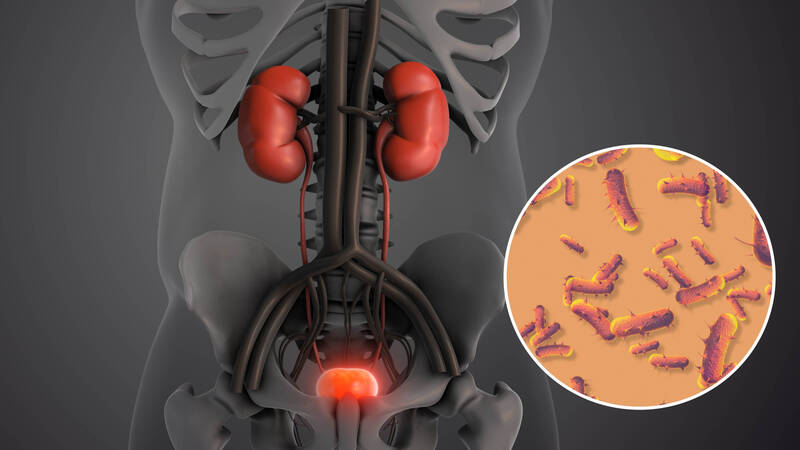
The U.S. Food and Drug Administration (FDA) has approved Utebzi (sulopenem etzadroxil and probenecid), marking the first time an oral carbapenem antibiotic has been authorized for use in the United States. Designed to treat uncomplicated urinary tract infections (uUTIs) in adult women caused by specific bacteria, the approval offers a new treatment pathway for patients facing limited options due to antibiotic resistance.
According to the official FDA approval announcement, the medication is indicated specifically for adults with uUTIs caused by designated susceptible microorganisms, including Escherichia coli, Klebsiella pneumoniae, or Proteus mirabilis. The approval is a significant development in clinical pharmacology, as carbapenems have traditionally been restricted to intravenous administration in hospital settings, often reserved for severe or multi-drug resistant infections.
Clinical Context and the Role of Utebzi
Carbapenems are a class of beta-lactam antibiotics known for their broad-spectrum activity and stability against many common bacterial resistance mechanisms. Before the authorization of Utebzi, their clinical utility was largely confined to inpatient care because they lacked oral bioavailability. By combining sulopenem—a prodrug that is hydrolyzed into the active antibiotic sulopenem—with probenecid, which increases the plasma concentration of the drug, developers created a formulation suitable for oral delivery.
The FDA’s decision was supported by clinical trial data evaluating the efficacy and safety of the drug. As noted in the regulatory filings, the most common adverse reactions reported during trials included diarrhea, nausea, vomiting, headache, and abdominal pain. Clinicians are advised to review the full prescribing information to manage potential risks, particularly for patients with histories of hypersensitivity to beta-lactam antibiotics or those with specific renal conditions, as probenecid can interact with various other medications by inhibiting their renal excretion.
Addressing Antibiotic Resistance
The rise of multi-drug resistant organisms has complicated the standard care for common infections. Urinary tract infections remain one of the most frequent reasons for antibiotic prescriptions in outpatient settings. The availability of an oral carbapenem provides a targeted option for clinicians when other first-line therapies—such as fluoroquinolones or trimethoprim-sulfamethoxazole—are deemed inappropriate due to resistance patterns or patient-specific contraindications.
However, the FDA has emphasized the importance of antimicrobial stewardship. The approval includes clear labeling to ensure the drug is used only to treat infections that are proven or strongly suspected to be caused by susceptible bacteria. This approach is intended to reduce the development of drug-resistant bacteria and maintain the effectiveness of this class of antibiotics for the future.
Regulatory Pathway and Future Updates
The authorization of Utebzi follows a rigorous review process by the FDA’s Center for Drug Evaluation and Research. The drug is manufactured by Iterum Therapeutics, which submitted the New Drug Application (NDA) for this specific indication. For healthcare providers and patients, the FDA maintains a public database of approved drug products, including the full label and safety documentation, which can be accessed through the FDA Drug Approval Reports portal.
As with all newly approved antimicrobial agents, the clinical community will monitor real-world performance and resistance trends. There are currently no scheduled public hearings regarding the drug, though the company is expected to provide ongoing post-marketing safety data as required by the FDA’s regulatory framework. Patients are encouraged to consult with their primary care physicians or infectious disease specialists regarding the appropriateness of this treatment for their specific clinical needs.
We invite our readers to share their perspectives on the impact of new antibiotic developments on public health. For further updates on medical innovations and pharmaceutical policy, stay connected with the World Today Journal.
Keep reading