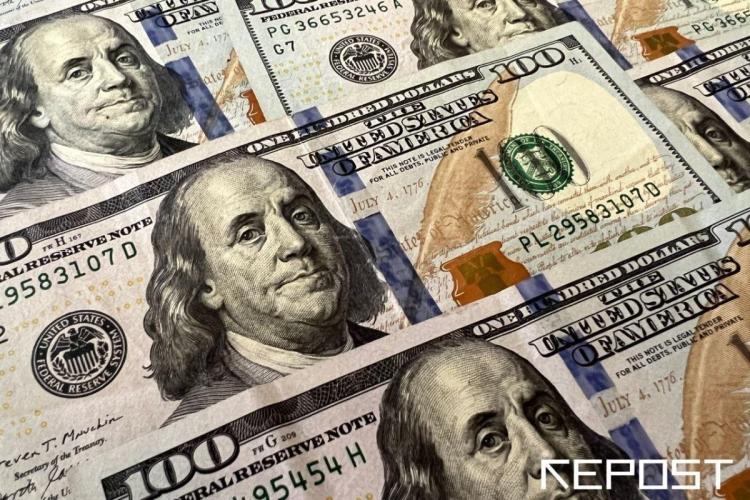
The Uzbek soum continues to face downward pressure against the U.S. dollar, as the Central Bank of the Republic of Uzbekistan reported further adjustments to exchange rates for late June. On June 25, the official rate for the U.S. dollar rose, extending a trend of gradual depreciation for the national currency that has been monitored by regional financial analysts throughout the second quarter of 2024.
According to the Central Bank of the Republic of Uzbekistan, the official exchange rate is set based on market supply and demand, reflecting the country’s broader macroeconomic environment. This ongoing adjustment in currency valuation occurs against a backdrop of planned fiscal changes, including government-mandated increases in public sector salaries, pensions, and social stipends scheduled to take effect later this year.
Market Dynamics and Currency Valuation
The fluctuation of the Uzbek soum is tied to a variety of factors, including trade balances, remittance inflows, and global commodity prices. As of June 25, the Central Bank of the Republic of Uzbekistan maintains a managed floating exchange rate regime. This policy allows the currency to fluctuate within limits while the regulator intervenes to prevent excessive volatility that could destabilize the domestic market.
For businesses and residents, the rising cost of the dollar often correlates with inflationary pressures on imported goods. Economists note that while the depreciation of the soum can make exports more competitive, it simultaneously increases the cost of imports, which are essential for many manufacturing and retail sectors in Uzbekistan. The International Monetary Fund (IMF) has previously highlighted the importance of maintaining flexible exchange rates to absorb external shocks while supporting long-term economic stability in the region.
Impact of Fiscal Policy on Economic Stability
The Uzbek government has announced plans to implement increases in wages, pensions, and social benefits, a move intended to support household purchasing power amid rising living costs. These adjustments are part of the state’s ongoing social welfare strategy. According to official reports from the Presidential Press Service, these measures are designed to mitigate the effects of inflation on the most vulnerable segments of the population.
Financial analysts are monitoring how these fiscal injections will interact with monetary policy. When the state increases liquidity through higher social spending, the Central Bank often monitors the potential impact on consumer price inflation. The coordination between fiscal expansion and monetary tightening is a critical component of the country’s current economic management, as the government seeks to balance social support with the need for price stability.
What Readers Should Monitor Next
Market participants should look for the next scheduled update from the Central Bank, which typically publishes daily exchange rate adjustments on its official website. For those engaged in international trade or currency conversion, these daily figures provide the benchmark for transactions within the banking system.

The next major economic indicator to watch will be the government’s quarterly review of inflation targets and GDP growth projections. These reports, often released by the Statistics Agency under the President of the Republic of Uzbekistan, will offer further insight into whether the current currency trend is expected to stabilize or continue into the third quarter of the year. Readers are encouraged to monitor official government portals for the most accurate and timely financial data.
How is the current currency trend affecting your business or personal finances? Share your thoughts in the comments section below or join the conversation on our social media channels.
Keep reading