Fifteen-year-old batting prodigy Vaibhav Sooryavanshi has captured significant attention within the Indian cricketing fraternity, drawing comparisons to legendary figures due to his rapid ascent in domestic formats. As he gains exposure to high-level training environments, observers are closely monitoring the teenager’s transition from age-group cricket to the professional stage, a period often described as a critical juncture for young athletes in the Indian system.
According to reports from the Board of Control for Cricket in India (BCCI), Sooryavanshi, born in 2009, has already represented India U19, showcasing a technical proficiency that has prompted selectors to fast-track his development. The pressure surrounding such early recognition is substantial, particularly in a nation where cricket serves as a primary cultural pillar and expectations for emerging talent are historically high.
The Rise of a Domestic Talent
Vaibhav Sooryavanshi first gained wider public notice during his participation in the Cooch Behar Trophy, a premier domestic tournament for Under-19 cricketers. His ability to score heavily against older, more experienced bowlers solidified his reputation as a “wonder kid,” a term frequently utilized by regional commentators to describe his aggressive yet composed batting style.
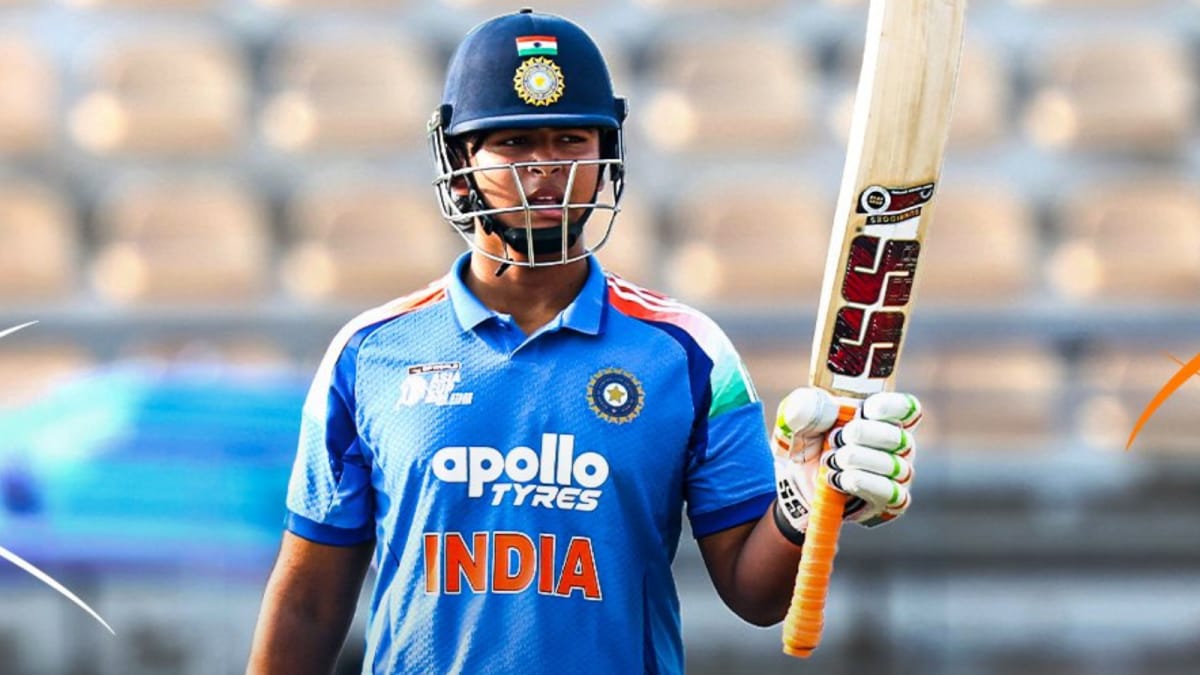
The transition to the international circuit, even at the youth level, requires significant physical and mental fortitude. Sports psychologists often emphasize that for athletes under the age of 16, the primary challenge is not merely technical skill, but the management of public perception and the maintenance of a balanced personal life. As noted by the International Cricket Council (ICC), the pathway for young cricketers in India involves rigorous selection processes, including zonal academies and state-level trials, designed to filter talent through a competitive environment.
Managing Expectations in a High-Stakes Environment
The narrative surrounding Sooryavanshi often involves the “God’s gift” moniker, a phrase that reflects the hyper-local excitement surrounding his potential. However, analysts suggest that such labels can create unnecessary burdens. In the history of Indian cricket, several prodigies have faced similar scrutiny, with varying degrees of long-term success. The ESPNcricinfo database indicates that the path from domestic youth cricket to the national senior team is long, with thousands of players competing for a limited number of roster spots.
The coaching staff overseeing his development is reportedly focused on shielding the teenager from excessive media exposure. This strategy is consistent with modern sports science, which prioritizes the gradual introduction of professional pressures to ensure longevity. According to reports from The Times of India, the focus for the current U19 management remains on tactical discipline and consistency, rather than the raw statistical output that often dominates fan discussions on social media.
What Lies Ahead for the Teenager
The next phase for Sooryavanshi involves sustained performance in the senior domestic circuit, such as the Ranji Trophy or the Syed Mushtaq Ali Trophy, where he will face seasoned professionals. These tournaments serve as the ultimate proving ground for selection to the national squad. According to the BCCI domestic schedule, the upcoming season will provide multiple opportunities for the teenager to demonstrate his capability in diverse conditions.
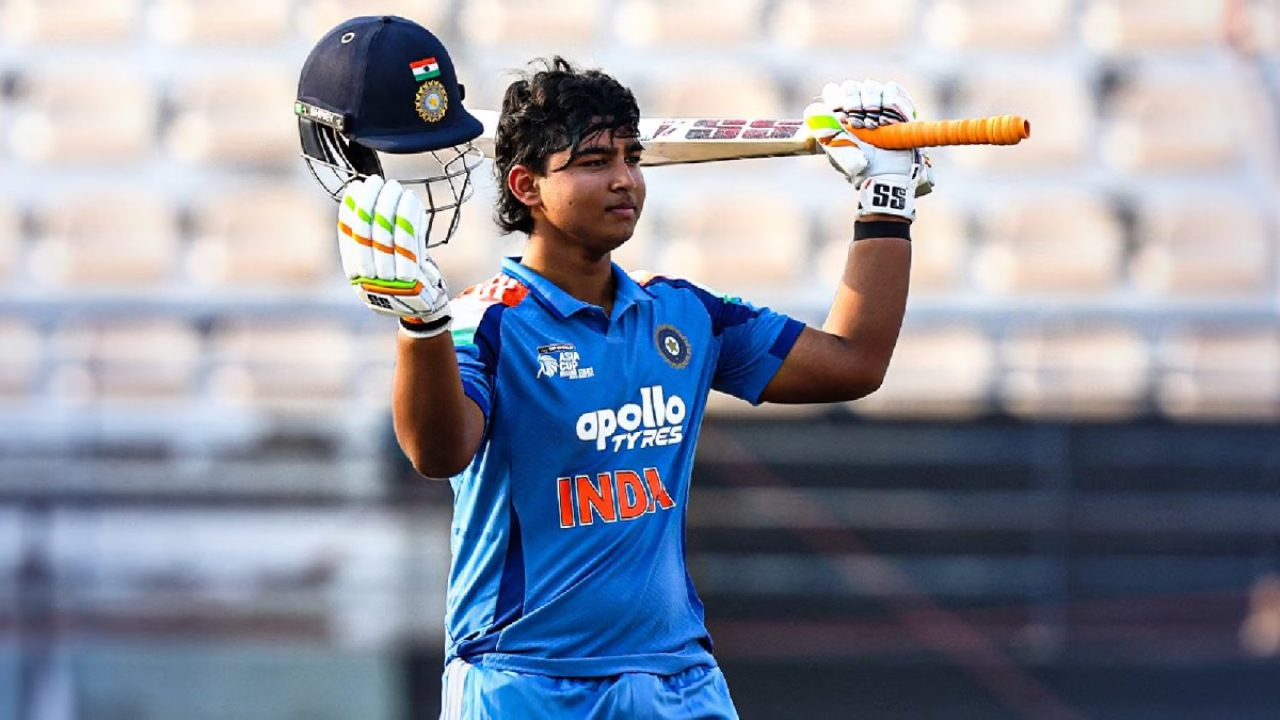
Fans and analysts alike are waiting to see how Sooryavanshi adapts to the demands of a full-time professional career. While his early statistics are favorable, the true test of his potential will be his ability to maintain his form over multiple seasons. The sporting community continues to monitor his progress through official BCCI updates and tournament scorecards, which remain the most reliable sources for tracking his career trajectory.
For those interested in following his development, official updates can be found on the BCCI official website, which tracks player movements and selection committee decisions. We invite readers to share their thoughts on the development of young talent in the comments section below.
Keep reading