The Italian industrial sector is facing a period of economic stagnation as persistent inflation and rising interest rates offset the recent decline in global oil prices. According to the latest monitoring reports from Confindustria, the country’s manufacturing output remains constrained by a combination of elevated operational costs and tightened monetary policy.
While global crude oil prices have retreated to pre-war levels, the relief provided to energy-intensive industries has been limited. Financial analysts tracking the Italian market note that inflation continues to exert pressure, while interest rates remain high. The European Central Bank’s (ECB) current interest rate trajectory has made capital more expensive for enterprises looking to modernize production lines.
Energy Market Volatility and Industrial Production
Despite a downward trend in oil prices, industrial leaders warn that the risk of supply chain disruptions remains a critical factor for the upcoming summer season. Confindustria has emphasized that the risk of scarcity has not been eliminated and that the summer represents a critical phase.
For Italian manufacturers, the primary concern is not just the spot price of fuel, but the overall stability of the energy grid and the cost of electricity. Higher interest rates complicate the ability of firms to hedge against these energy risks. When credit is expensive, companies have less liquidity to stockpile resources or invest in energy efficiency projects that could insulate them from future market spikes.
The Impact of Monetary Policy on Domestic Demand
The current economic climate is defined by a delicate balance between price stability and growth. High interest rates, intended to anchor inflation expectations, have effectively increased the cost of debt service for both households and businesses. The underlying structural costs remain sticky. This creates an environment where businesses struggle to pass costs on to consumers without further depressing demand.
Economic stagnation in Italy is further compounded by the country’s dependence on external energy imports, which makes the domestic economy sensitive to fluctuations in global energy commodities. As the summer months approach, typically a period of high energy demand for cooling and logistics, the industry remains on high alert. The combination of high borrowing costs and the potential for seasonal energy price volatility means that industrial production is expected to remain flat throughout the current quarter.
Future Outlook and Policy Considerations
Looking ahead, the trajectory for the Italian economy will depend heavily on the ECB’s upcoming decisions regarding monetary policy and the effectiveness of national industrial recovery programs. The Italian Government continues to coordinate with European partners to ensure these funds are deployed in a manner that fosters long-term competitiveness rather than short-term consumption.
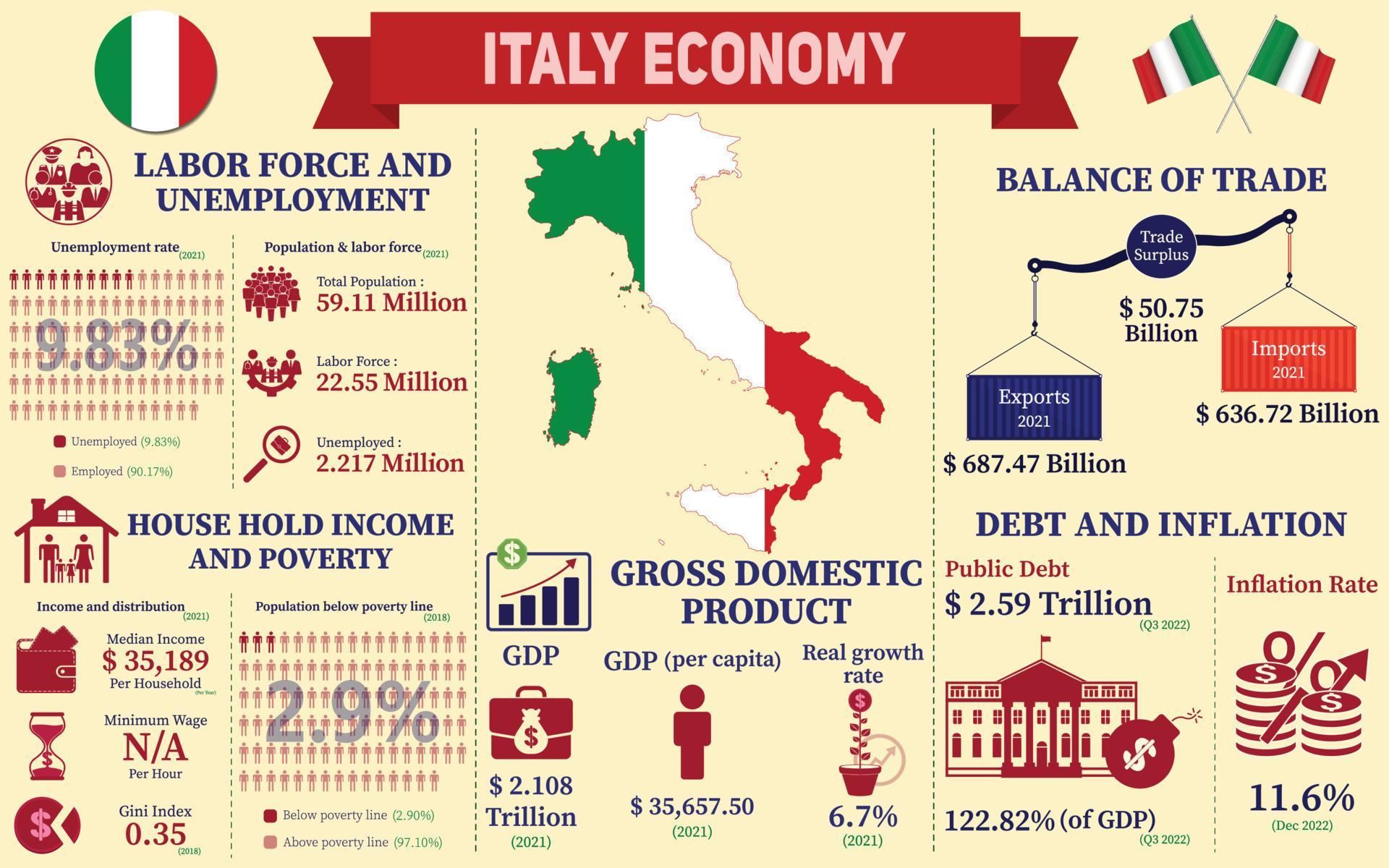
The next major checkpoint for investors and policy observers will be the release of the next quarterly GDP growth data and the subsequent Governing Council meeting of the European Central Bank. These updates will provide clearer signals on whether the current cycle of restrictive monetary policy will be eased in the latter half of the year.
We invite our readers to share their analysis of these market trends in the comments section below. How do you see the current interest rate environment affecting your sector? Join the conversation and stay informed on global economic policy as it unfolds.
Keep reading
- Thia Vittek Finally Reveals Her New Boyfriend: Romantic Vacation Photos Unveiled
- How Many Heatwaves Have You Experienced in Switzerland?
- Tunisia Real Estate Market: Prices Rise as Transaction Volumes Decline in Q4 2025 (newsdirectory3.com)
- FDA Approves Groundbreaking mRNA Vaccine Booster for Adults 50+, Boosting Immunity and Protecting Against Chronic Health Risks (archyworldys.com)