
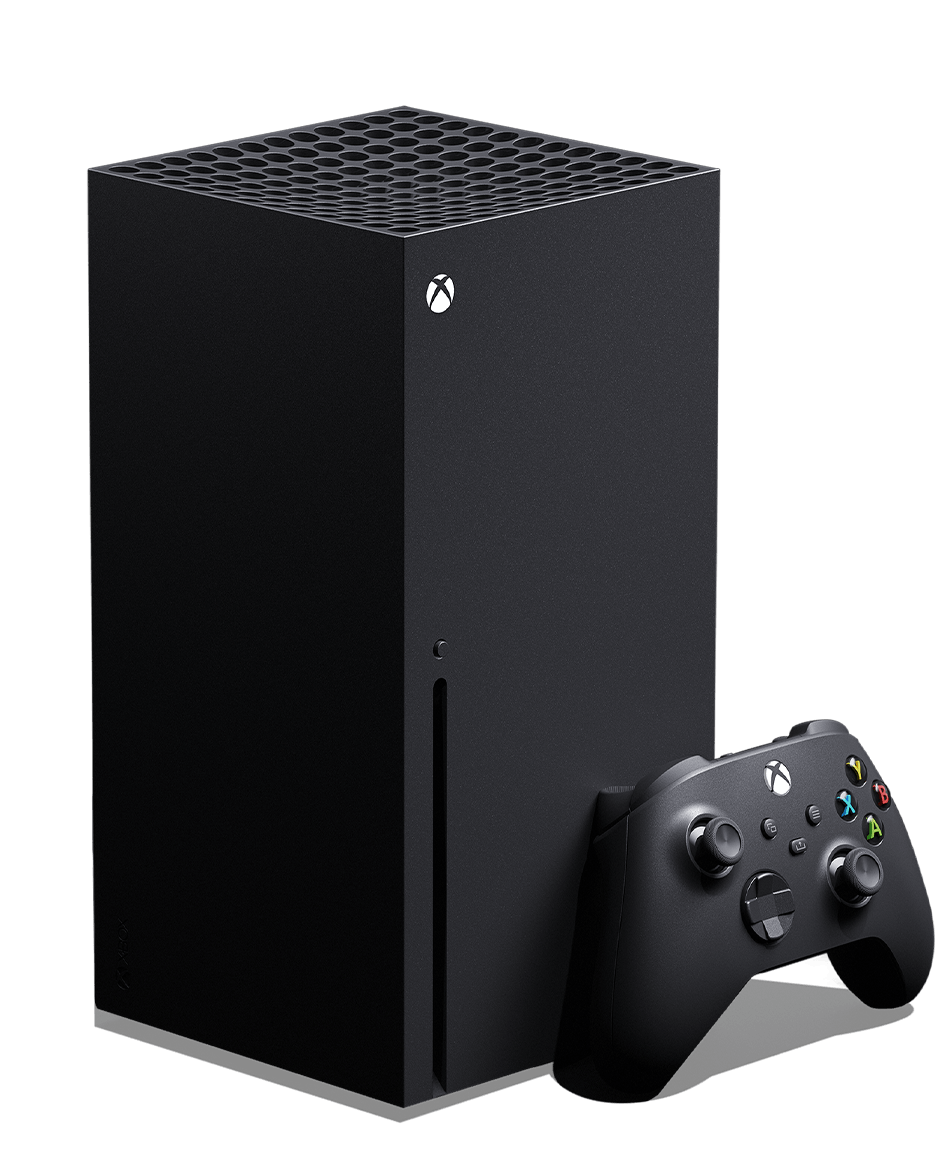
Microsoft has adjusted the pricing of its Xbox Series X and Series S consoles across several international markets, marking a notable shift in the company’s hardware strategy. Following a series of global economic adjustments, the tech giant increased the cost of its flagship consoles to align with local currency fluctuations and rising manufacturing overheads. This move, which follows similar industry-wide trends, affects consumers in various regions outside of the United States, reflecting the complex interplay between global supply chain logistics and corporate fiscal policy.
The decision to revise pricing, which first gained significant traction in mid-2023, represents a departure from the company’s initial post-launch pricing stability. According to official reports from Microsoft, the Xbox Series X saw a price hike in most countries, excluding the U.S., Japan, Chile, Brazil, and Colombia. These adjustments were framed by the company as a necessary step to account for local market conditions and the broader economic landscape impacting the gaming sector.
Understanding the Global Hardware Market Shift
The primary driver behind the Xbox Series X/S price increase is the persistent volatility in global currency exchange rates. As hardware components—such as semiconductors and specialized cooling systems—are often priced in U.S. dollars, a strengthening dollar can significantly erode profit margins when those units are sold in international markets. Microsoft, like its primary competitor Sony, has had to navigate these macroeconomic pressures to maintain the viability of its hardware division, as reported by Reuters.
Beyond currency fluctuations, the broader technology industry has faced sustained inflationary pressure. The cost of raw materials, including copper, aluminum, and rare earth elements, has remained elevated compared to the period when the consoles were first announced in 2020. By raising prices, Microsoft is effectively distributing these increased production and distribution costs across its global consumer base. This strategy ensures that the hardware division remains sustainable without compromising the long-term investment in the Xbox ecosystem, which includes the Game Pass subscription service.
Impact on Consumer Accessibility and Market Competition
For the average consumer, the price adjustment represents a tangible increase in the cost of entry for next-generation gaming. The Xbox Series X, marketed as the company’s most powerful console, has seen its price rise to approximately £479.99 in the UK and €549.99 in most European markets, according to data verified by the BBC. While these increases are significant, they follow a similar pattern established by Sony, which increased the price of the PlayStation 5 in late 2022 due to “global economic headwinds.”
The strategy highlights a divergence in how companies manage their hardware footprints. While Microsoft increased prices for the Series X, it maintained more aggressive pricing for the entry-level Series S in many regions, attempting to retain a lower barrier to entry for budget-conscious gamers. This dual-pronged approach allows the company to balance the need for profitability on high-end hardware with the necessity of maintaining market share through its more affordable, digital-only console option.
What Happens Next for Xbox Hardware
Looking ahead, the gaming industry remains sensitive to further inflationary shocks and supply chain disruptions. While no further broad-based price increases have been announced as of mid-2024, analysts from firms like GamesIndustry.biz suggest that hardware pricing will likely remain dynamic. Microsoft continues to prioritize the growth of its subscription-based services, which may eventually offset the need for further hardware price hikes by generating recurring revenue that is less dependent on one-time console sales.
Consumers looking for official information regarding current pricing should monitor the regional Microsoft Store pages, as these reflect the most accurate, tax-inclusive pricing for their specific location. As the industry moves toward the latter half of the current console generation cycle, the focus is expected to shift toward software performance and cloud-based gaming integration rather than further hardware price adjustments. Readers are encouraged to share their experiences with local hardware pricing or join the discussion in the comments section below to track how these changes are impacting their regional gaming communities.
- Zoom Fixes Critical Zero-Click Vulnerability Allowing Full Device Takeover
- PS5 Emulator SharpEmu Boots Astro’s Playroom on Steam Deck and Android
- Microsoft merges Copilot apps to pave way for upcoming AI super app (time.news)
- DPVR P1 Max: Price and Launch Details for the Enterprise VR Headset (archynewsy.com)