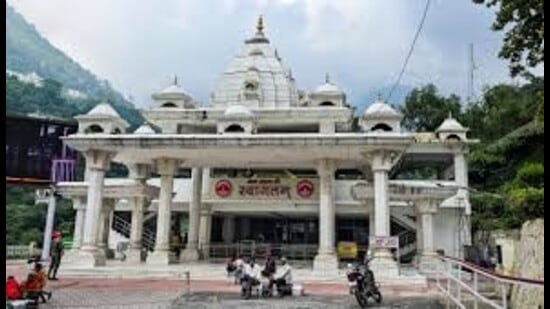
Vaishno Devi Shrine Board Seeks Global Input for New International Museum
The Shri Mata Vaishno Devi Shrine Board (SMVDSB) has launched a dedicated online portal – https://suggestions.smvdsbimog.org/#/museum – inviting suggestions and expert contributions for the development of a world-class museum dedicated to the spiritual, cultural, and historical significance of the revered Vaishno Devi shrine. The initiative, approved during the 76th meeting of the board chaired by Lieutenant Governor Manoj Sinha, marks a significant step towards establishing a center for understanding the divine feminine and the Shakti tradition on an international scale. This project underscores the growing importance of cultural tourism and the preservation of religious heritage in the region.
The proposed museum aims to present the timeless heritage of Maa Vaishno Devi through modern and immersive technologies, offering visitors a comprehensive understanding of the shrine’s history, the evolution of the pilgrimage (Yatra), and the philosophical underpinnings of Shakti worship within the broader context of Sanatan Dharma. The launch of the portal signals a commitment to collaborative development, actively seeking input from scholars, historians, architects, museologists, spiritual practitioners, and other domain specialists. This approach reflects a desire to create a museum that is both academically rigorous and deeply resonant with the devotional experience of pilgrims.
A Collaborative Approach to Preserving Spiritual Heritage
Sachin Kumar Vaishya, Chief Executive Officer of the SMVDSB, emphasized the portal’s role as a collaborative platform. He stated that the initiative aims to ensure authenticity, scholarly depth, and contemporary presentation standards while preserving the sanctity and spiritual essence of the holy shrine. The board is actively soliciting research-based inputs, thematic proposals, archival references, and innovative concepts from experts and institutions worldwide. This open invitation to contribute highlights the SMVDSB’s commitment to creating a museum that reflects a broad range of perspectives and scholarly insights.
The Vaishno Devi shrine, located in the Trikuta Hills of Jammu and Kashmir, is one of the most revered Hindu pilgrimage sites in India, attracting millions of devotees annually. As reported in The Week in May 2025, the Shrine Board itself underwent a significant revamp, with nine new members appointed for a three-year term, including prominent figures like author Sudha Murty. This restructuring signaled a renewed focus on governance and service delivery to pilgrims, setting the stage for ambitious projects like the new museum.
The Significance of the Shakti Tradition and Sanatan Dharma
The museum’s focus on the Shakti tradition is particularly noteworthy. Shaktism, a major Hindu denomination, reveres the divine feminine (Devi) as the supreme cosmic power. The Vaishno Devi shrine is dedicated to a manifestation of this divine feminine, making it a central pilgrimage site for devotees of Shakti. The museum will explore the philosophical underpinnings of this tradition, tracing its historical development and its enduring influence on Indian culture and spirituality.
Sanatan Dharma, often referred to as Hinduism, encompasses a diverse range of philosophical and religious traditions. The museum will contextualize the worship of Vaishno Devi within this broader framework, showcasing the interconnectedness of various spiritual practices and beliefs. This approach aims to provide visitors with a holistic understanding of the religious and cultural landscape of India. The museum’s commitment to documenting the evolution of the Yatra itself will also offer insights into the changing dynamics of pilgrimage and the role of faith in shaping cultural identity.
Economic Impact and Infrastructure Development
The development of the museum is occurring alongside other significant infrastructure projects in the region. Notably, a proposed ropeway project connecting Tarakote Marg to Sanji Chhat has faced local opposition. The New Indian Express reported on February 19, 2026, that Katra town observed a shutdown in protest of the ₹250 crore (approximately $3 million USD) project, with concerns raised about potential job losses for pony walas, palanquin owners, and local businesses. The ropeway is intended to improve access to the shrine, but its impact on the livelihoods of those dependent on traditional modes of transport remains a contentious issue.
The museum project, however, is expected to have a positive economic impact, attracting more tourists and generating employment opportunities. The increased footfall could benefit local businesses, hotels, and restaurants, contributing to the overall economic development of the region. The SMVDSB is also focused on improving pilgrim facilities, as evidenced by recent inaugurations at Darshani Deodi, Banganga, and Adhkuwari, as reported by Daily Excelsior on March 6, 2026. These improvements demonstrate a commitment to enhancing the overall pilgrim experience.
Looking Ahead: A Center for Global Spiritual Dialogue
The launch of the online portal for the Vaishno Devi museum represents a forward-thinking approach to cultural preservation and religious tourism. By actively soliciting input from a diverse range of experts, the SMVDSB aims to create a museum that is not only a repository of historical and religious artifacts but also a vibrant center for global spiritual dialogue. The museum’s emphasis on modern and immersive technologies will ensure that the story of Vaishno Devi is presented in a compelling and accessible manner to visitors from all backgrounds.
The next key step in the project will be the evaluation of submissions received through the online portal. The SMVDSB will likely establish a committee of experts to review the proposals and develop a detailed plan for the museum’s design and content. Pilgrims and those interested in the project can stay updated on developments through the official SMVDSB website and through ongoing media coverage. The anticipated completion date for the museum has not yet been announced, but the launch of the portal signifies a tangible commitment to bringing this ambitious vision to fruition.
What are your thoughts on the proposed museum? Share your ideas and perspectives in the comments below. And please share this article with anyone who might be interested in learning more about this exciting project.
Related reading