
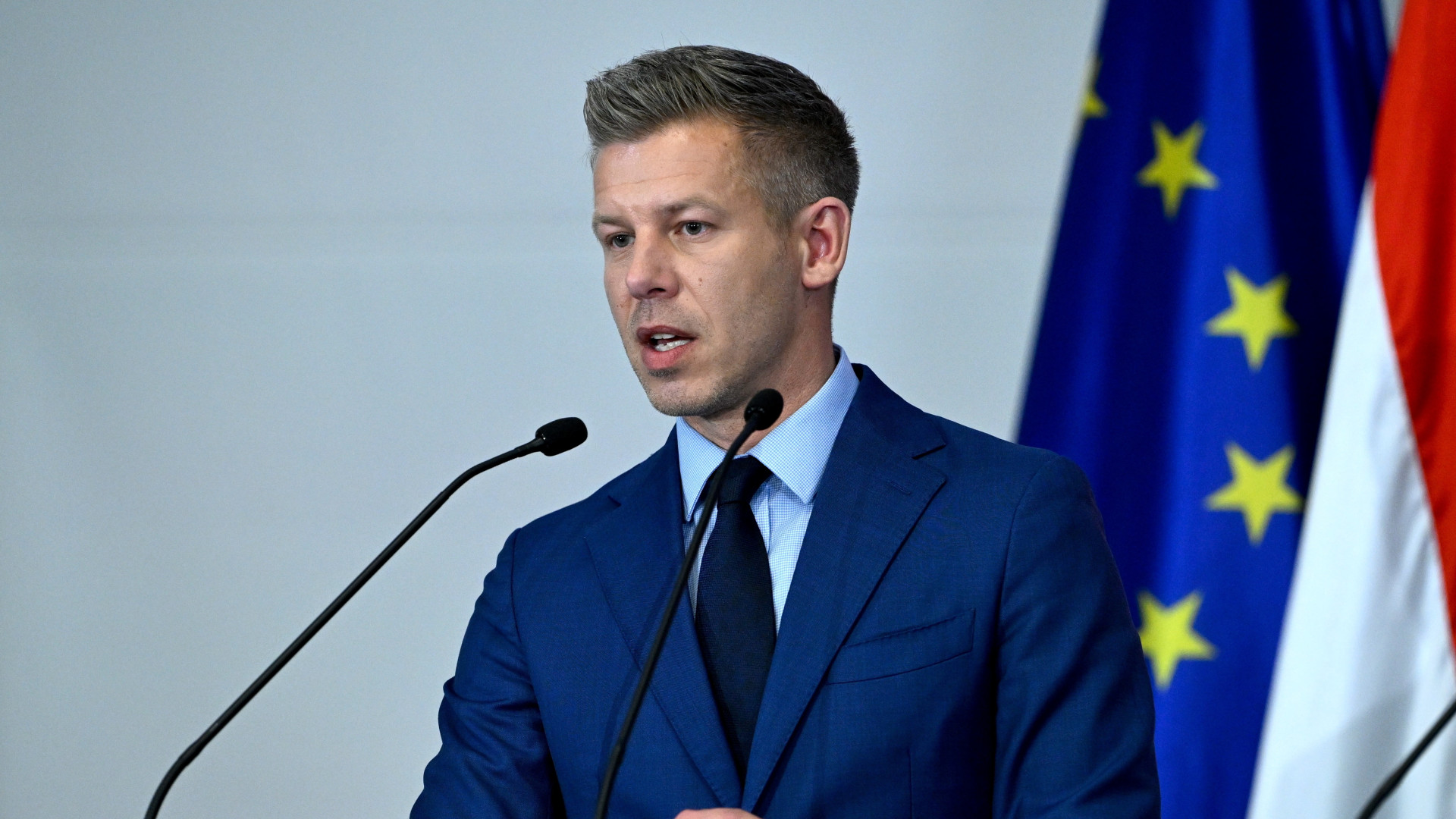
Hungary’s novel government has appointed Lannert Judit as minister for children and education, marking a significant shift in the country’s education policy direction. The appointment comes as Prime Minister Magyar Péter seeks to distance his administration from the previous Fidesz-led approach, with critics describing the move as signaling a more progressive, socially liberal orientation in schooling.
Lannert Judit, an education researcher with academic backgrounds in sociology, social policy and economics, has previously worked at the Országos Közoktatási Intézet (OKI), where she held positions including scientific director and deputy scientific director. Her nomination by Magyar Péter was confirmed in late April 2026, shortly after the prime minister announced his cabinet reshuffle following the 2026 parliamentary elections.
The appointment has drawn sharp reactions from political figures across the spectrum. Orbán Balázs, former political director to Viktor Orbán and a prominent Fidesz figure, criticized the choice on social media, arguing that Lannert Judit’s appointment represents a “strongly rainbow-colored, liberal-liberal turn” in Hungarian education policy. He contended that her background aligns with progressive causes including gender equality initiatives and support for Ukraine, which he framed as ideological departures from traditional values.
In contrast, education advocacy groups have welcomed the decision. The Tanítanék Mozgalom (Teachers’ Movement), led by Törley Katalin and Pilz Olivér, expressed approval of the appointment, stating they had long followed Lannert Judit’s professional perform and viewed the choice as affirming their long-standing calls for greater academic freedom and creativity in schools. The group noted they had recently held a forum with her on education reform.
Lannert Judit has emphasized that addressing teacher shortages requires more than simply counting vacant positions. In previous commentary, she argued that systemic issues in how the education system is structured are at least as important as staffing numbers, noting that many parents prioritize simply having their children supervised during work hours over broader educational outcomes. She has suggested that the system has operated for years on “frothed foam” — a metaphor implying superficial stability without substantive foundations.
Her academic trajectory includes studies at ELTE (Eötvös Loránd University), Corvinus University of Budapest, and participation in Princeton University courses in the early 1990s. She earned her doctoral degree in sociology and has previously applied her expertise in sociology and social policy within state administration roles, though she noted earlier attempts to influence policy through previous ministerial positions were limited by institutional resistance to expert input.
The appointment reflects broader tensions in Hungarian politics over the direction of public education. While Fidesz-aligned commentators frame the change as a departure from national conservative values, supporters view it as a necessary step toward aligning Hungary’s schooling system with 21st-century educational research and practices emphasizing student well-being, inclusivity, and reduced standardized control.
As of late April 2026, no formal policy announcements have been issued by the Ministry for Children and Education under Lannert Judit’s leadership. Observers await the minister’s first public outline of priorities, which may clarify whether her tenure will bring measurable changes to curriculum autonomy, teacher training, or school governance structures.
For ongoing updates on Hungary’s education policy developments, readers can follow official communications from the Ministry for Children and Education or monitor legislative proceedings in the National Assembly where education-related bills are debated.