
Valve has officially expanded its hardware ecosystem, marking a new phase for its Linux-based gaming platform as interest in portable and dedicated gaming devices surges. The company’s ongoing development of the SteamOS environment, now reaching version 3.8, signals a shift toward broader accessibility for hardware manufacturers looking to integrate with the Steam storefront. This evolution arrives amidst shifting market expectations regarding the cost and availability of specialized gaming hardware, with recent retail listings surfacing for devices operating within this ecosystem at a price point of approximately $1,049.
The gaming industry has closely monitored Valve’s hardware strategy since the inception of the Steam Machine project, which initially aimed to bring the PC gaming experience into the living room. According to recent industry reports, the current pricing reflects ongoing challenges in global supply chains, specifically regarding the procurement of essential high-performance components. This price threshold, which has drawn attention from analysts and consumers alike, is reportedly influenced by component scarcity that has impacted production costs more significantly than initial market projections anticipated, as noted in official Valve communications regarding SteamOS development.
The Evolution of SteamOS and Hardware Integration
Valve’s decision to continue refining SteamOS, particularly with the rollout of the 3.8 update, serves as the backbone for its hardware ambitions. Unlike earlier iterations of Steam Machines, which struggled with limited software compatibility, the current software stack is designed for greater flexibility. By making the operating system more robust and accessible, Valve is enabling a broader range of hardware partners to create devices that can run the Steam library with native performance optimization. This transition is documented in technical release notes detailing the expansion of SteamOS capabilities for third-party hardware.
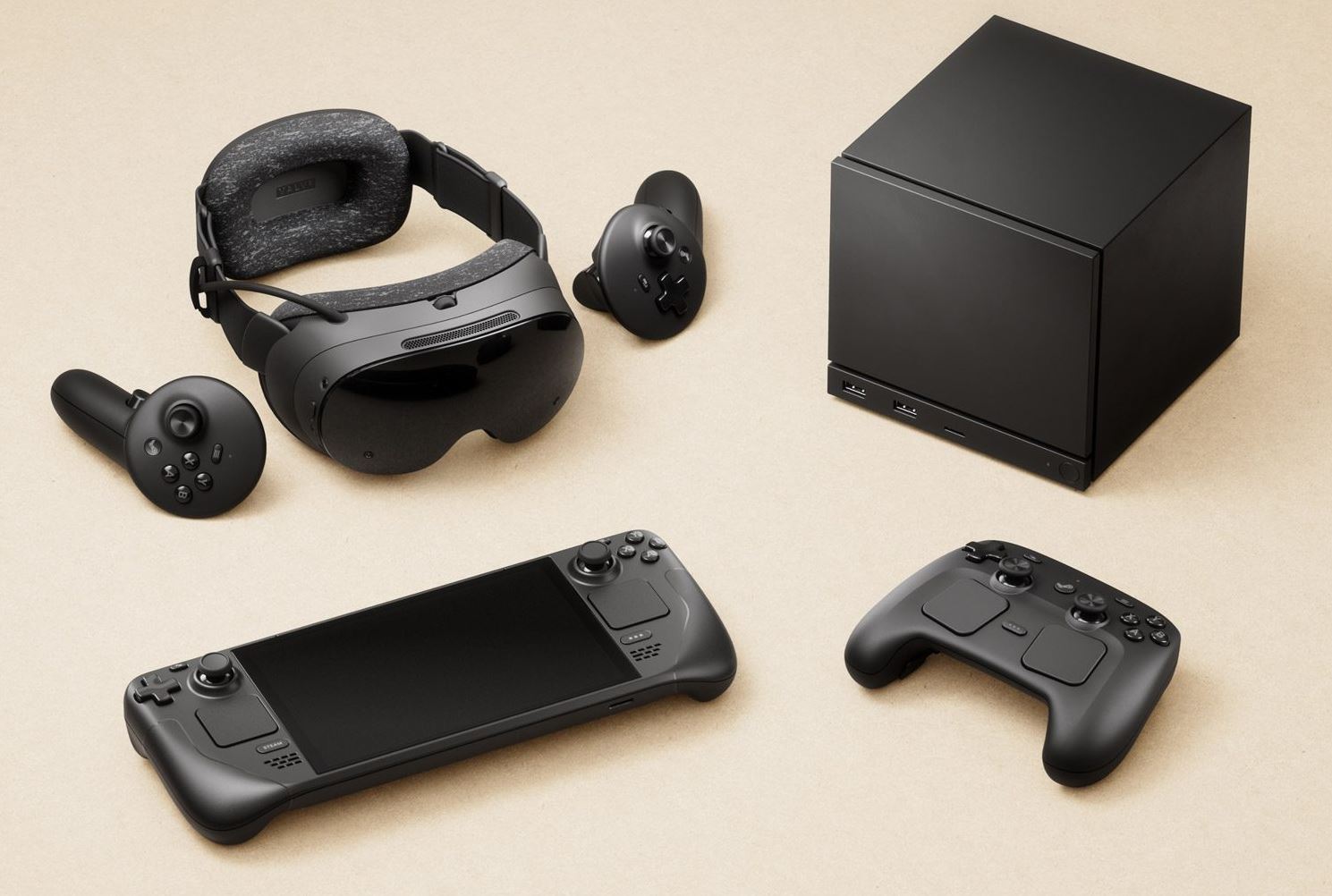
The focus on benchmark stability remains a primary concern for the enthusiast community. Early performance testing of devices utilizing this software architecture has prompted discussions regarding how effectively these units handle high-fidelity titles compared to traditional desktop PCs. While the integration of the Proton compatibility layer has significantly improved, users often scrutinize the thermal management and frame rate consistency of dedicated units. These performance metrics are critical, as they determine whether these devices can effectively compete with established consoles in the living room environment.
Market Dynamics and Pricing Realities
The $1,049 retail price point for current iterations represents a notable shift in how these devices are positioned. Market analysts observe that the cost is largely a byproduct of localized component shortages and the premium nature of the hardware required to provide a seamless “console-like” experience on a PC-based architecture. Unlike mass-produced consoles that are often sold at a loss to capture market share, these specialized units typically carry higher margins to offset the complexity of small-batch manufacturing and software integration.
For prospective buyers, the value proposition is defined by the portability of the Steam library and the openness of the Linux-based ecosystem. Unlike closed console platforms, these devices allow users to access multiple storefronts and perform hardware modifications, a feature set that remains a unique selling point for Valve’s hardware partners. However, this flexibility comes at a premium, as highlighted by the technical requirements outlined in Valve’s partner documentation for hardware manufacturers.
What Lies Ahead for Portable Gaming
The next checkpoint for Valve and its hardware partners involves the wider distribution of the SteamOS 3.8 update to the general public. As the software matures, the industry expects to see a clearer distinction between handheld units and stationary home consoles built around the same operating system. Valve has not provided a specific timeline for when these updates will be fully integrated into all third-party devices, but updates are expected to follow a staggered rollout schedule.

Industry observers are also awaiting further data on long-term hardware reliability and customer support frameworks for these devices. As the market for Linux-based gaming hardware continues to expand, the role of community feedback in shaping future software updates will remain central to the project’s success. We encourage readers to share their experiences with current hardware configurations and join the discussion in the comments section below regarding the future of PC-based gaming consoles.
Related reading