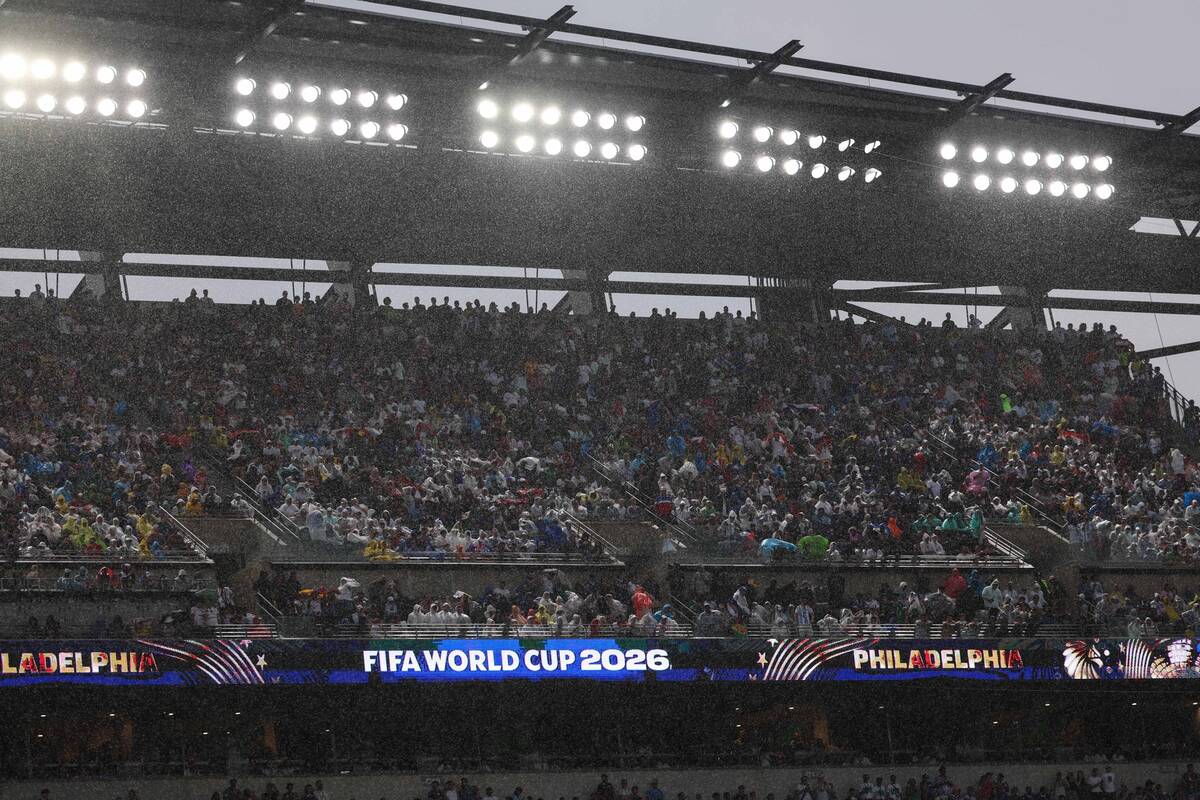
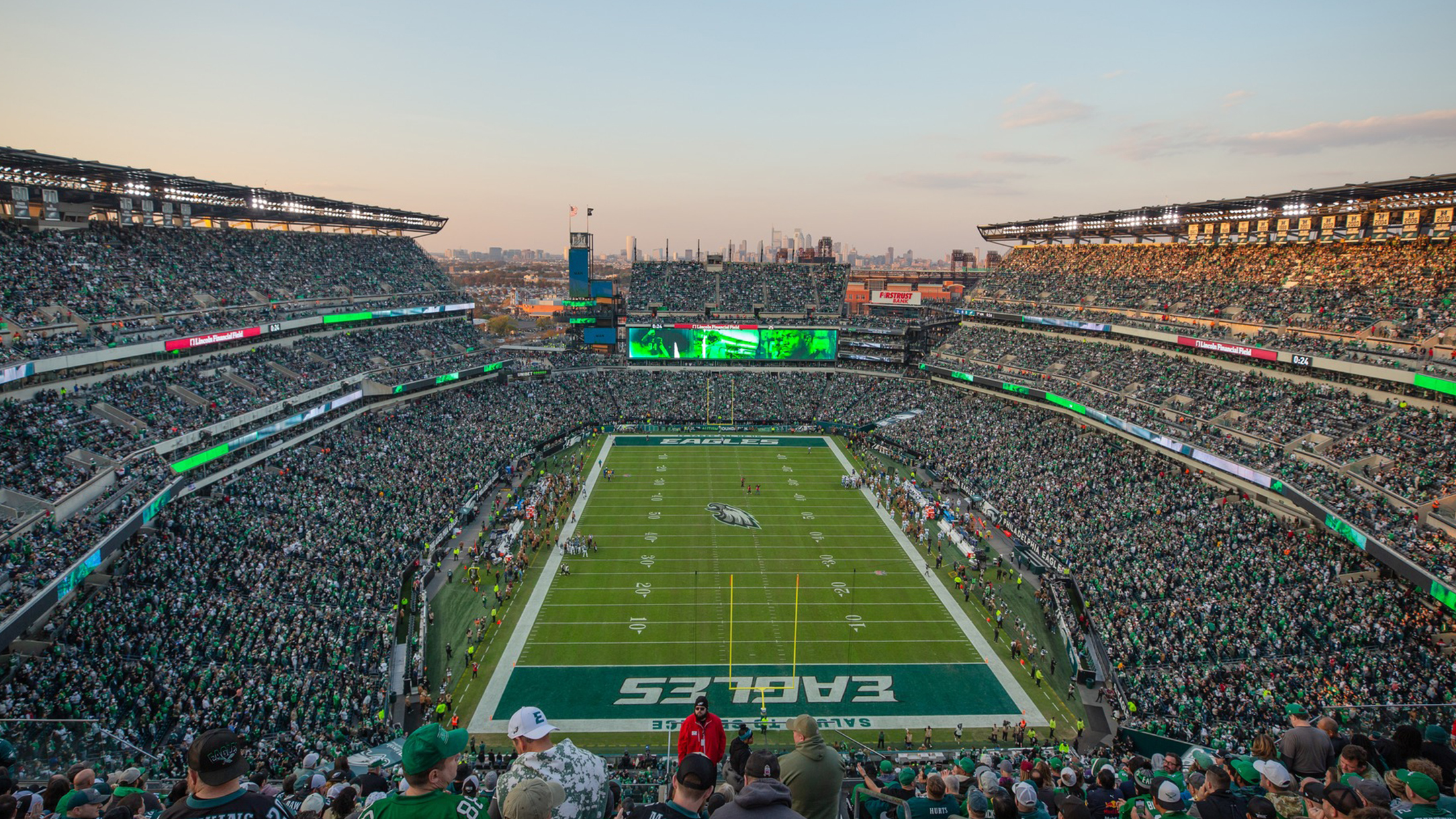
Severe weather conditions forced a temporary suspension of international football play at Philadelphia’s Lincoln Financial Field, as tournament organizers and local authorities prioritized player and spectator safety during an active storm cell. While reports of specific match disruptions have circulated across international sports media, the incident underscores the growing logistical challenges faced by event planners when managing high-profile tournaments during volatile seasonal weather patterns.
According to FIFA’s standard competition regulations, match officials retain the authority to delay or suspend play if lightning or extreme weather poses an immediate threat to the field of play. The decision to halt activity in Philadelphia followed established protocols for weather-related stoppages, ensuring that both athletes and fans were moved to secure areas within the stadium complex. This procedure is consistent with safety requirements for major sporting events held in North American venues, where localized thunderstorms are frequently monitored by stadium management and meteorological services.
Protocols for Weather-Related Match Suspensions
When a match is interrupted by environmental conditions, the primary objective is to maintain a sterile environment for the players while ensuring the safety of the wider public. Stadium management teams typically utilize real-time lightning detection systems, which provide precise data on the proximity of electrical activity. As noted by the National Weather Service, the “30-minute rule”—which mandates that play cannot resume until 30 minutes have passed since the last observed lightning strike—is the industry standard for outdoor sports in the United States.
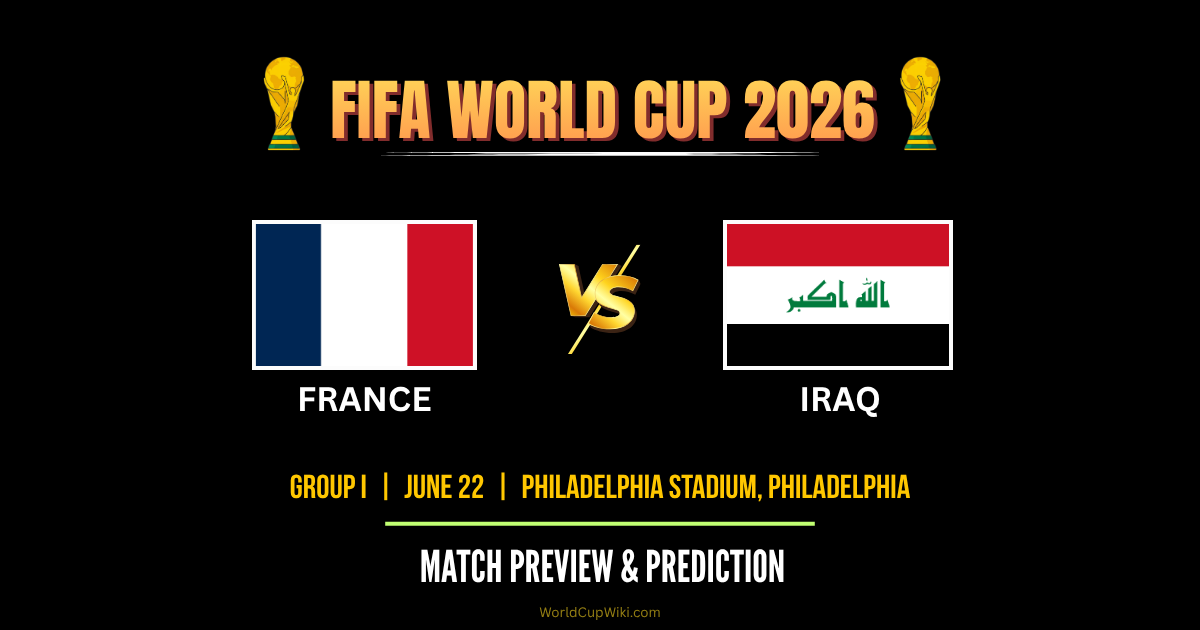
These interruptions often result in logistical complications, including the rescheduling of broadcast windows and adjustments to team training schedules. In the event of a prolonged delay, match commissioners and referees coordinate with team leadership to determine if a match can be completed on the same day or if postponement to a later date is required. FIFA has historically enforced these safety mandates to mitigate liability and protect the health of participants, particularly during high-intensity tournament play.
The Impact of Climate Volatility on International Tournaments
The incident in Philadelphia highlights a broader conversation regarding the scheduling of international sporting events. As tournament calendars become more crowded, organizing committees are increasingly forced to account for unpredictable weather, ranging from extreme heat waves in summer months to severe convective storms in coastal or humid regions. The ability to manage these events effectively depends on the quality of venue infrastructure and the flexibility of the tournament schedule.
Sports analytics experts suggest that future tournament planning may require more robust “weather-proofing” strategies. This includes selecting venues with retractable roof capabilities or scheduling matches to avoid peak hours of convective storm activity. According to the Intergovernmental Panel on Climate Change (IPCC), the frequency of extreme weather events is projected to influence outdoor event management globally, necessitating better integration of meteorological data into operational planning.
What Happens Next for Tournament Organizers
Following a suspension, the immediate step is the issuance of an official statement regarding the resumption time or potential rescheduling. Fans are typically advised to follow official tournament channels and stadium social media accounts for real-time updates. If a match is abandoned, the competition regulations dictate how the result is determined—whether the score at the time of stoppage stands, or if the match must be replayed in its entirety from the initial kickoff.
For those tracking the progress of tournament brackets, the most reliable source for updates remains the official tournament website and the announcements released by the match commissioner’s office. Readers are encouraged to check the official FIFA portal for the latest scheduling adjustments and official match reports as they become available. We invite our readers to share their thoughts on the current tournament infrastructure in the comments section below.
Related reading