
U.S. Senator J.D. Vance has arrived in Switzerland for high-stakes discussions regarding Iran’s nuclear program, a development occurring alongside heightened regional tensions in the Middle East. The visit, scheduled for this weekend, coincides with reports from Iranian officials claiming a renewed closure of the Strait of Hormuz, a critical maritime chokepoint for global oil supplies. These diplomatic efforts represent a significant attempt to engage Tehran as regional hostilities, including recent military actions in Lebanon, continue to escalate, according to The Associated Press.
The arrival of diplomatic delegations in Switzerland marks a rare, direct attempt to address the current impasse over Iran’s nuclear proliferation. While the specific agenda remains closely held by government officials, the timing of the talks suggests a focus on both non-proliferation efforts and the stabilization of the Strait of Hormuz. International observers are monitoring the situation closely, as any shift in Iran’s nuclear policy or maritime posture could have immediate impacts on global energy markets and security architecture, as reported by Reuters.
Geopolitical Context of the Switzerland Negotiations
The discussions in Switzerland take place against a backdrop of increasing volatility across the Middle East. Recent reports indicate that 16 individuals were killed in Lebanon during recent military engagements, heightening the urgency for diplomatic intervention to prevent a broader regional conflict, according to Al Jazeera. The involvement of U.S. representatives in these talks highlights the administration’s stated commitment to utilizing diplomatic channels even as military tensions rise in surrounding territories.
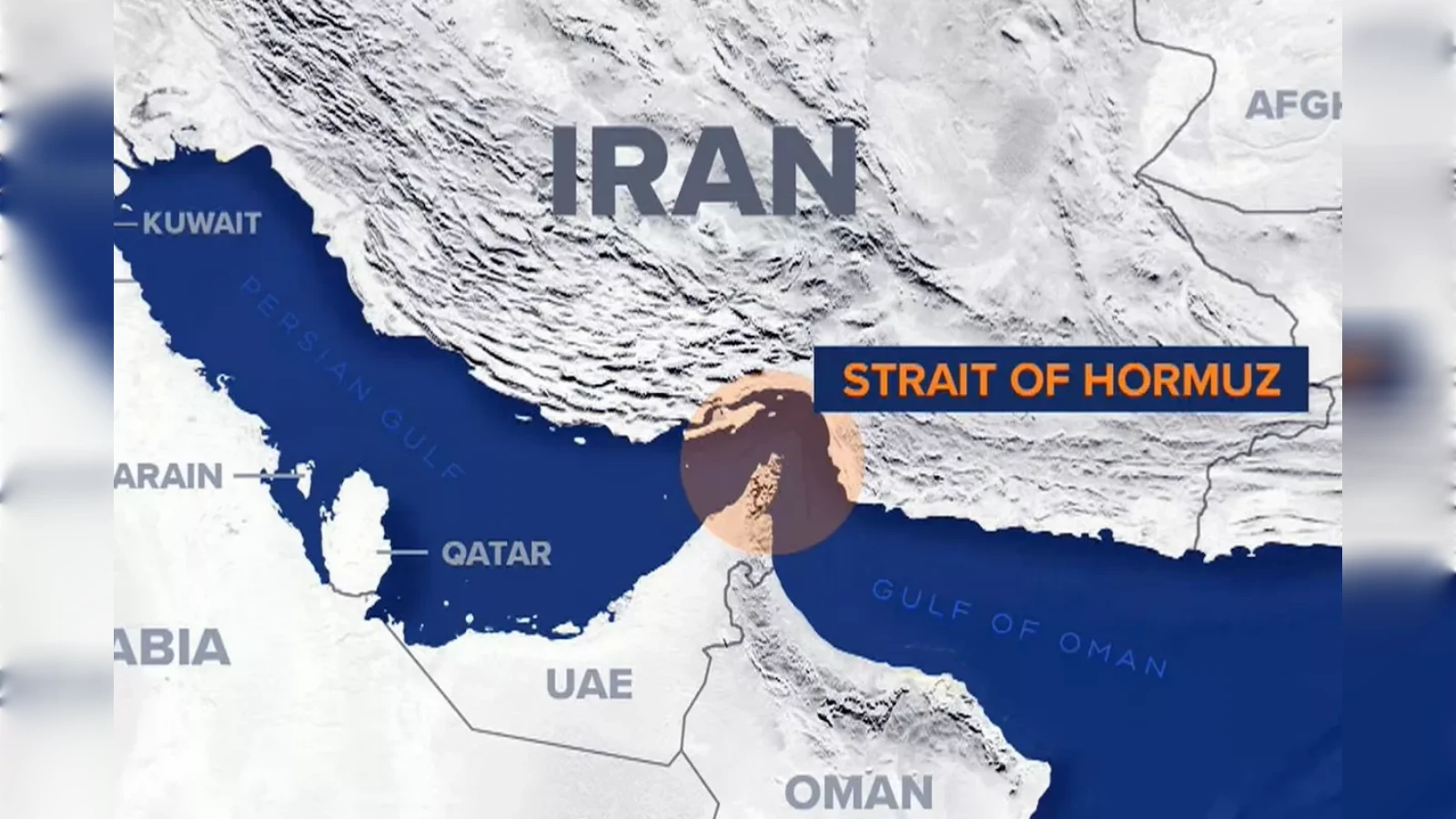
The Strait of Hormuz, through which approximately 20% of the world’s total oil consumption passes, remains a primary point of friction. Iranian authorities have periodically threatened to restrict access to the waterway in response to international sanctions and military pressure. The current claim of closure, while under verification by international maritime authorities, serves as a tactical signal from Tehran during these sensitive negotiations, as noted in assessments by the U.S. Energy Information Administration regarding the strategic importance of the strait.
Diplomatic Objectives and International Stakes
For international mediators, the primary goal of the Switzerland summit is to establish a framework that discourages further nuclear advancement while de-escalating maritime threats. The negotiations are expected to address the monitoring of nuclear facilities, a subject of long-standing dispute between Iran and the International Atomic Energy Agency (IAEA). According to the IAEA, maintaining transparency in nuclear activities is essential for regional stability and global non-proliferation efforts.
The presence of high-level participants underscores the gravity of the situation. Analysts suggest that the talks provide a platform for the U.S. to test whether Iran is willing to trade nuclear concessions for sanctions relief or other diplomatic incentives. However, past negotiations have faced significant hurdles, including domestic political opposition in both the United States and Iran, as well as skepticism from regional allies regarding the efficacy of such agreements.
What Happens Next: Monitoring the Talks
The outcome of these negotiations will likely be measured by whether a formal communique is released or if there is a de-escalation in maritime rhetoric following the conclusion of the weekend meetings. Any tangible progress would involve a return to established nuclear monitoring protocols or a reopening of the Strait of Hormuz to commercial shipping traffic, according to updates provided by the U.S. Department of State.
As the situation remains fluid, officials are expected to provide briefings only after the conclusion of the scheduled sessions. International stakeholders, including European partners and neighboring Gulf states, are waiting for indicators of whether these discussions will lead to a sustained diplomatic process or remain an isolated effort to manage immediate crises. Please check back for updates as official statements are released by the relevant government offices.
Have you found this report useful? Share your thoughts in the comments section below and follow our coverage for the latest developments in international affairs.
Worth a look
- How Stansted Airport Replaced America in Spider-Man: Far From Home
- The Beatles’ Revolver at 60: Why This Masterpiece Remains a Turning Point in Rock History
- Namibia President Urges Uranium Value Addition and Nuclear Integration (archyworldys.com)
- US-Mediated Israel-Lebanon Talks Resume in Rome to Address Border Security (time.news)