The Rising Trend of Vaping and Heated Tobacco Products: A Growing Concern for Young People
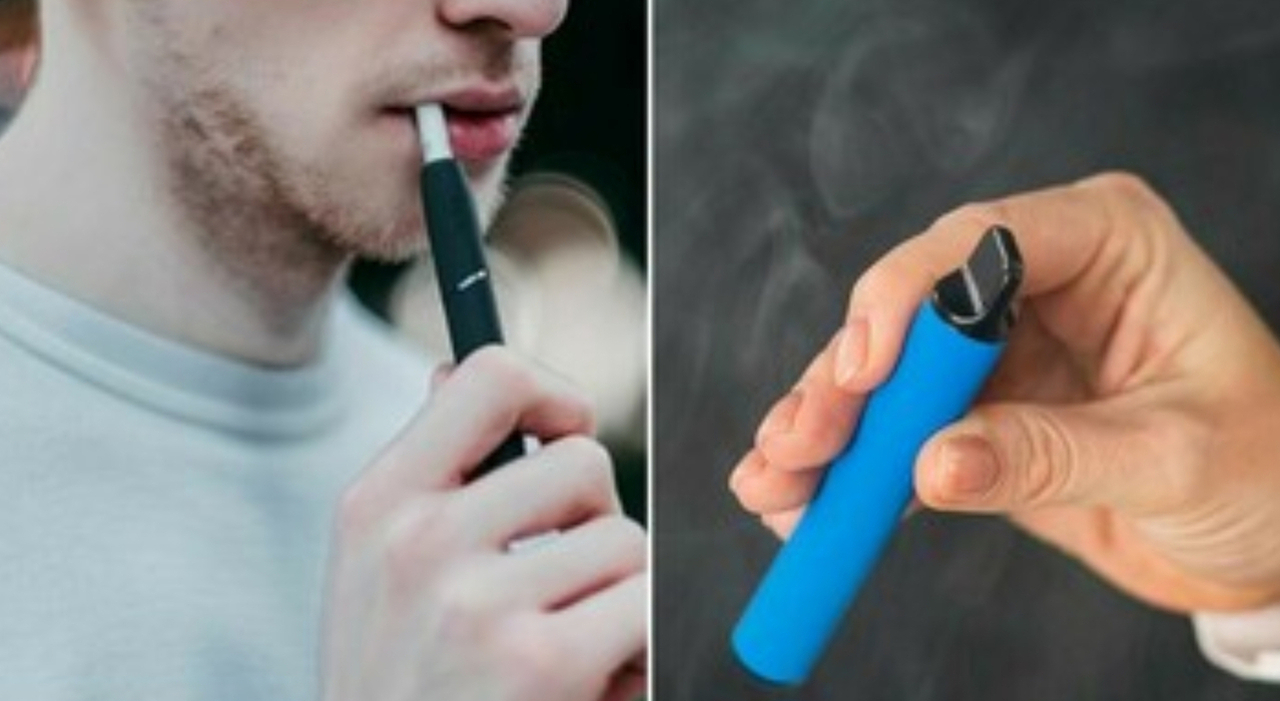
The landscape of tobacco and nicotine consumption is undergoing a dramatic shift, particularly among younger generations. Traditional cigarettes are increasingly being replaced by electronic cigarettes (e-cigarettes) and heated tobacco products (HTPs), often perceived not as cessation tools, but as trendy accessories. Driven by sleek designs reminiscent of modern technology and a vast array of appealing fruit flavors, vaping has gained significant traction among adolescents and young adults, fueled by aggressive marketing campaigns on social media platforms that often portray these alternatives as entirely safe. This shift presents a complex public health challenge, as emerging evidence suggests these products are not without risk and may even pose unique dangers to developing lungs.
While the perception of reduced harm compared to traditional cigarettes is a key driver of the popularity of e-cigarettes and HTPs, a growing body of research indicates that these products are far from benign. The frequency of use, coupled with the chemical composition of the aerosols produced, raises serious concerns about potential long-term health consequences. Understanding the nuances of these products, their impact on respiratory health, and the marketing tactics employed to attract young users is crucial for developing effective public health strategies.
What are E-cigarettes and Heated Tobacco Products?
E-cigarettes, also known as vapes, are battery-powered devices that heat a liquid – typically containing nicotine, flavorings, and other chemicals – to create an aerosol that is inhaled by the user. The liquid is heated by a coil, transforming it into a vapor. As Svapo Dream explains, the process involves a solution flowing from a tank to a cotton wick surrounding a resistance coil, which heats the liquid upon activation.
Heated tobacco products, such as IQOS, represent a different approach. These devices heat tobacco, rather than burning it. As detailed by Svapostore, traditional cigarettes combust at around 900°C, while heated tobacco products operate at significantly lower temperatures, typically around 350°C. This difference in temperature results in the production of a vapor containing nicotine and flavorings, but with potentially lower levels of harmful chemicals compared to cigarette smoke. Still, it’s significant to note that “lower levels” does not equate to “no harm.”
The Risks of Continuous Vapor Exposure: Impact on Developing Lungs
A key concern surrounding e-cigarette use, particularly among young people, is the frequency of exposure to the aerosol. Unlike occasional cigarette smoking, vaping often involves frequent and prolonged use, leading to continuous exposure to potentially harmful substances. This is particularly worrisome as lung development continues until around the age of 25.
Even in the absence of nicotine, the inhalation of oils, chemical additives, and petroleum-derived compounds present in e-cigarette aerosols can damage developing lungs, potentially causing irreversible harm. The study referenced by Svapostore highlights this concern, noting that the vapor, while containing fewer carcinogens than traditional cigarette smoke, still contains potentially harmful substances. The long-term consequences of this exposure are still being investigated, but early research suggests a link between vaping and respiratory illnesses, including bronchiolitis obliterans – a rare and serious lung disease sometimes referred to as “popcorn lung.”
Marketing Tactics and the Appeal to Youth
The surge in popularity of e-cigarettes and HTPs among young people is inextricably linked to sophisticated marketing strategies. These strategies often employ appealing flavors, sleek device designs, and aggressive social media campaigns. The use of fruit and candy flavors, in particular, has been criticized for targeting younger audiences and masking the harshness of nicotine.
Social media platforms have become a key battleground in the fight against youth vaping. Influencer marketing, targeted advertising, and the proliferation of vaping-related content contribute to the normalization of these products among adolescents. The perception that e-cigarettes are a safe alternative to traditional cigarettes, often perpetuated by marketing materials, further exacerbates the problem.
Comparing Risks: E-cigarettes vs. Heated Tobacco Products
While both e-cigarettes and heated tobacco products are often marketed as alternatives to traditional cigarettes, they differ significantly in their composition and potential health effects. E-cigarettes utilize a liquid containing nicotine, flavorings, and other chemicals, while heated tobacco products heat actual tobacco leaves. Svapo Blog points out that the key difference lies in what is being aerosolized or heated: a liquid versus actual tobacco.
Heated tobacco products generally expose users to lower levels of harmful chemicals compared to traditional cigarettes, but they still contain nicotine and other potentially harmful substances found in tobacco. E-cigarettes, while potentially delivering lower levels of some toxins, introduce a unique set of risks associated with the aerosolized chemicals and flavorings. The long-term health effects of both products are still under investigation, and it is too early to definitively declare one safer than the other.
The Cost Factor: E-cigarettes vs. Heated Tobacco Products
The financial implications of choosing between e-cigarettes and heated tobacco products also differ. According to Svapo Blog, the initial investment for a heated tobacco product kit, including the device and tobacco refills, tends to be higher than that of a basic e-cigarette. A complete heated tobacco kit can cost around 70 euros, while an e-cigarette can be purchased for as little as 10 euros. However, the ongoing cost of refills and replacement parts should also be considered when comparing the overall expense of each option.
Regulatory Responses and Public Health Initiatives
Recognizing the growing public health threat posed by e-cigarettes and HTPs, governments and regulatory agencies worldwide are implementing measures to curb their use, particularly among young people. These measures include restrictions on advertising and marketing, flavor bans, increased taxes, and stricter age verification requirements. In January 2025, Italy implemented a ban on the online sale of nicotine-containing products, as noted by Svapostore.
Public health campaigns aimed at educating the public about the risks of vaping and HTPs are also crucial. These campaigns should target young people specifically, debunking myths about the safety of these products and highlighting the potential long-term health consequences. Collaboration between public health organizations, healthcare providers, and educators is essential to effectively address this complex issue.
Looking Ahead: Continued Research and Vigilance
The long-term health effects of e-cigarettes and heated tobacco products remain largely unknown. Continued research is essential to fully understand the risks associated with these products and to inform evidence-based public health policies. Monitoring trends in youth vaping rates, investigating the impact of different flavors and additives, and evaluating the effectiveness of regulatory interventions are all critical areas of focus.
The rise of vaping and heated tobacco products represents a significant challenge to public health. By promoting awareness, implementing effective regulations, and investing in continued research, One can protect young people from the potential harms of these products and create a healthier future for all.
The European Commission is currently reviewing its Tobacco Products Directive, with potential updates expected in 2026 that could further regulate the sale and marketing of e-cigarettes and heated tobacco products across member states. Stay informed about these developments and their potential impact on public health.
What are your thoughts on the increasing popularity of vaping among young people? Share your comments below and help us continue the conversation.
Worth a look