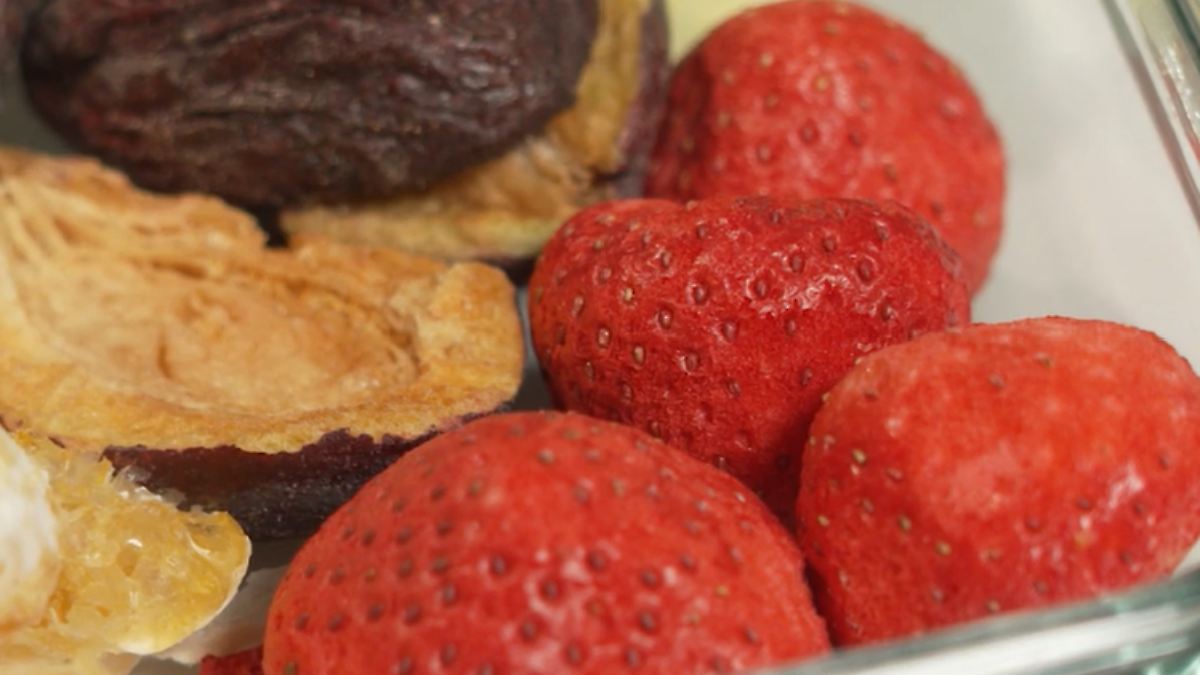
Freeze-dried fruits have transitioned from niche survivalist rations to premium health-focused snacks, yet consumers often pay a significant price premium for the convenience of these lightweight, shelf-stable products. While the process of lyophilization—or freeze-drying—effectively preserves the majority of a fruit’s vitamins and minerals, the cost-to-weight ratio remains a primary concern for budget-conscious shoppers. According to data from the Verbraucherzentrale, while these snacks offer a nutrient-dense alternative to processed sweets, they should be consumed with an awareness of their high price point and the potential for added sugars in some commercial varieties.
The rise of freeze-dried fruit in the modern pantry is driven by a demand for “clean label” snacks that offer the taste of fresh produce without the rapid spoilage associated with traditional grocery shopping. From a nutritional standpoint, the technology works by freezing the fruit and then removing ice crystals through sublimation in a vacuum chamber. This process, as detailed by the U.S. Food and Drug Administration (FDA) regarding nutrient retention in preserved foods, leaves the cellular structure of the fruit largely intact, meaning fiber content and many heat-sensitive vitamins like Vitamin C remain relatively stable compared to standard heat-dehydrated or sun-dried alternatives.
Understanding the Nutritional Value
Freeze-drying is arguably one of the most effective methods for maintaining the integrity of phytochemicals and antioxidants in fruit. Because the process avoids high temperatures, the degradation of heat-sensitive compounds is significantly lower than in traditional drying methods. However, the concentration of natural sugars becomes more apparent once the water weight—which typically accounts for 80% to 90% of a fruit’s mass—is removed. As noted by the Deutsche Gesellschaft für Ernährung (DGE), while fruit is a healthy staple, the caloric density increases significantly when the product is concentrated, making portion control essential.
Consumers should inspect labels carefully for non-fruit additions. Start-ups in the health food sector often market freeze-dried snacks as “all-natural,” yet some products include added sweeteners, flavor enhancers, or coatings that can negate the health benefits of the base fruit. The European Food Safety Authority (EFSA) emphasizes that clear labeling is mandatory for any additives, yet the marketing language on the front of packaging can often obscure the actual nutritional profile found in the fine-print ingredient list.
Why the Price Point Stays High
The cost of freeze-dried fruit is a reflection of the intensive energy and time required for production. Unlike air-drying, which is relatively inexpensive and fast, freeze-drying requires specialized vacuum equipment that must run for extended periods to reach the desired moisture content of roughly 1% to 4%. According to industry reports from the Food Processing industry analysis, the electricity costs alone, combined with the high cost of raw, high-quality fruit, drive the retail price to levels that are often five to ten times higher per gram than fresh fruit.
For the average consumer, this raises a question of utility: are the benefits worth the expense? From a health perspective, the convenience of having shelf-stable strawberries, raspberries, or mangoes is a benefit for those who struggle to keep fresh produce in their homes. However, nutritionists often point out that fresh fruit remains the gold standard for hydration and satiety, as the fiber-to-water ratio in fresh produce is naturally optimized for human digestion.
Market Trends and Consumer Guidance
The surge in popularity of these snacks has caught the attention of both major food conglomerates and smaller health-focused start-ups. As companies compete for shelf space, consumers are seeing a wider variety of freeze-dried items, including complex mixes and powders meant for smoothies. The Verbraucherzentrale advises that buyers should prioritize products with a single ingredient—the fruit itself—to ensure they are not paying premium prices for added fillers like maltodextrin or sugar syrups.
When shopping for these snacks, consider the following:
- Check the ingredient list: The only ingredient should ideally be the fruit.
- Compare the price per 100g: Due to the lack of water, freeze-dried fruit is light, making it difficult to gauge value without looking at the weight-based unit price.
- Storage matters: Once opened, freeze-dried fruit is highly hygroscopic, meaning it absorbs moisture from the air quickly. Keep it in an airtight container to prevent it from becoming chewy or losing its characteristic crunch.
Future Outlook for Healthy Snacking
As the food industry continues to innovate, the efficiency of freeze-drying technology is expected to improve, potentially lowering costs over the next decade. Regulatory bodies such as the German Federal Ministry of Food and Agriculture (BMEL) continue to monitor the market for labeling compliance, ensuring that health claims made by manufacturers remain grounded in scientific evidence. For now, consumers should view freeze-dried fruit as a convenient, nutrient-dense snack that fits into a balanced diet, provided it is treated as a supplement to, rather than a total replacement for, fresh, whole foods.
The next update regarding European food labeling standards for processed fruit products is expected in the upcoming sessions of the European Parliament’s Committee on the Environment, Public Health and Food Safety. Readers are encouraged to monitor official government health portals for further guidance on nutritional labeling and the latest findings on food processing technologies.
Worth a look