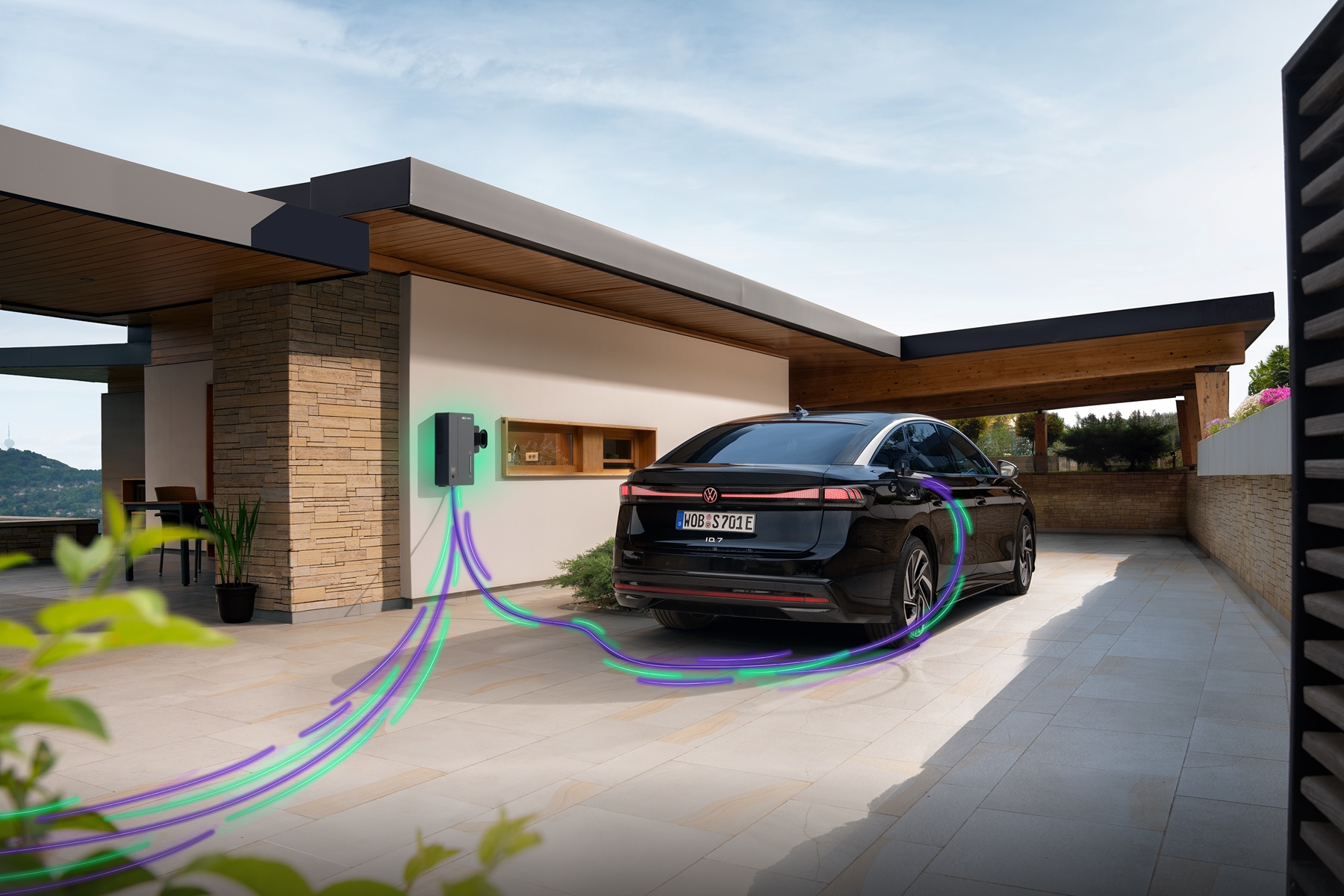
Volkswagen Group and energy services provider Elli have launched a Vehicle-to-Grid (V2G) program in Germany, offering eligible electric vehicle (EV) owners up to €720 in annual compensation for feeding stored energy back into the national grid. The initiative, announced this week, marks a significant step toward mainstream adoption of bidirectional charging technology, which allows EVs to act as mobile power stations. According to Volkswagen’s official statement, the program will initially target owners of select ID. series models equipped with the necessary hardware, with plans to expand to other brands under the Group’s umbrella.
This development comes as Germany accelerates its push toward a decarbonized energy sector, with V2G technology positioned as a key enabler for grid stability and renewable energy integration. The €720 annual bonus—calculated based on energy volume, local grid demand, and participation duration—represents a substantial incentive for early adopters. “This is not just about saving money on electricity bills; it’s about reshaping how we think about vehicle ownership in the energy transition,” said a Volkswagen spokesperson, emphasizing the dual role of EVs as both transportation and energy assets.
While the program’s specifics are still being finalized, industry analysts note that the €720 figure aligns with projections from earlier pilot projects, where participating EV owners earned between €600 and €900 annually through V2G participation. The discrepancy in reported ranges reflects variations in regional energy prices, grid tariffs, and participation terms across different trials. For context, a 2023 study by the Fraunhofer Institute estimated that under optimal conditions, a single V2G-equipped EV could contribute up to 3,000 kWh annually to grid stabilization, enough to power a small household for months.
How the Volkswagen-Elli V2G Program Works
Vehicle-to-Grid technology enables EVs to discharge stored battery power back into the electrical grid when demand is high or renewable generation is low. Unlike traditional unidirectional charging, V2G requires compatible hardware—such as bidirectional chargers and vehicle software updates—and regulatory frameworks to ensure grid safety and fair compensation.
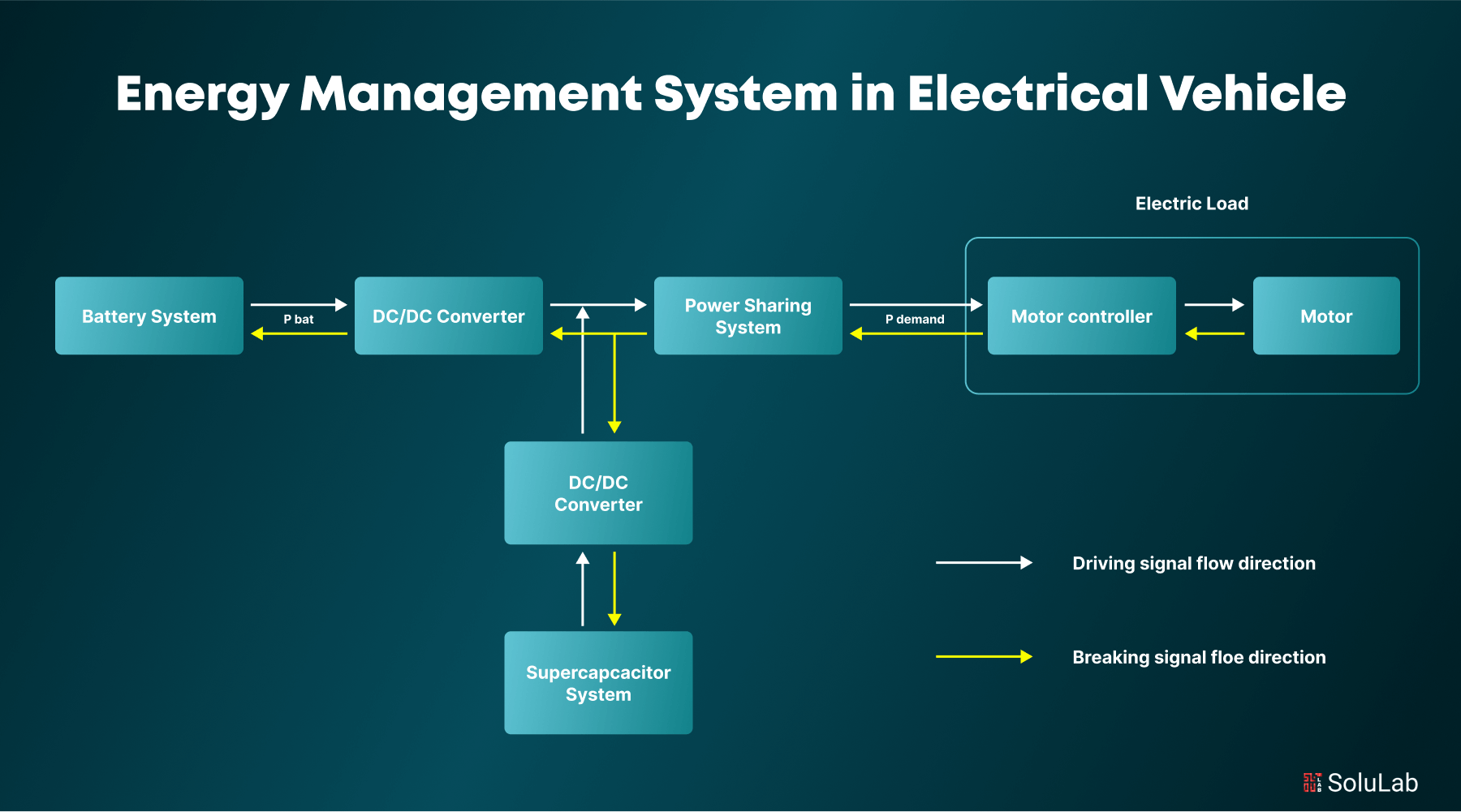
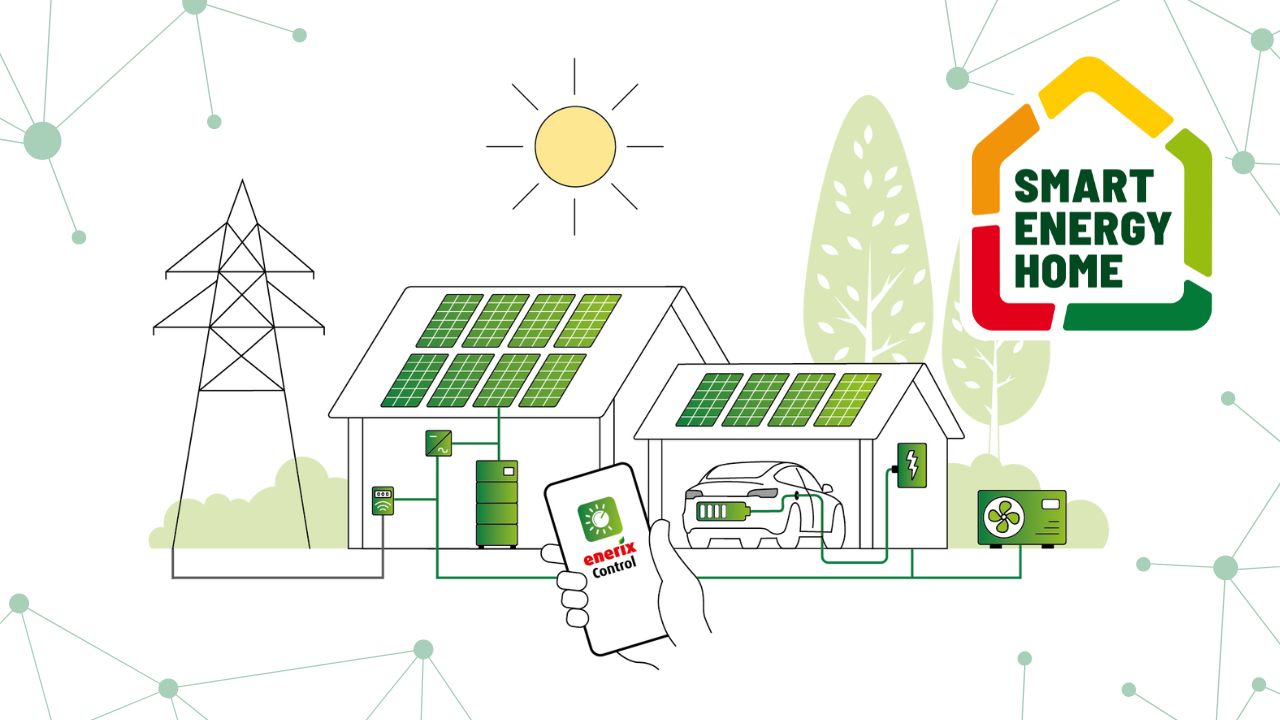
In Volkswagen’s program, participants will use Elli’s smart charging infrastructure to monitor grid conditions in real time. When grid operators signal a need for additional power—such as during peak demand periods or renewable energy shortages—the system automatically triggers the EV to discharge energy, earning the owner credits. These credits can then be redeemed as cash, discounts on future charging, or other incentives.
Key requirements for participation include:
- A Volkswagen ID. series model (ID.3, ID.4, ID.5, or ID. Buzz) with a minimum battery capacity of 55 kWh.
- An approved bidirectional charger installed at the owner’s residence.
- Registration through Elli’s platform, which handles compensation calculations and grid integration.
- Residence in a region where V2G is currently supported (initial rollout focuses on Germany’s northern and western regions).
Owners who meet these criteria can expect to receive their first compensation payments within 3–6 months of enrollment, according to Elli’s terms of service. The company has partnered with local utilities to ensure seamless grid integration, though participation may be subject to regional grid capacity limits.
Why This Matters: The Role of V2G in Germany’s Energy Transition
Germany’s energy sector is undergoing a fundamental shift, with the phase-out of coal and nuclear power accelerating the adoption of renewables like wind and solar. However, these intermittent sources create challenges for grid stability. V2G technology addresses this by turning millions of EVs into distributed energy resources (DERs), effectively smoothing out supply-demand imbalances.
According to the German Federal Network Agency, the country’s share of renewable energy in electricity consumption reached 52% in 2023, up from 45% the prior year. Yet, grid operators have warned that without flexible storage solutions like V2G, achieving the government’s 2030 target of 80% renewables could become increasingly difficult. “V2G is not just a nice-to-have; it’s a necessity for the grid of the future,” said Dr. Claudia Kemfert, energy economist at the German Institute for Economic Research (DIW Berlin), in a recent interview with Tagesspiegel.
Volkswagen’s move follows similar initiatives by other automakers and energy providers. For example, Nissan and Enel X launched a V2G pilot in Italy in 2022, where participants earned up to €900 annually, though the program remains limited to a small user base. Meanwhile, the European Union’s Alternative Fuels Infrastructure Regulation (AFIR) mandates that member states begin preparing for bidirectional charging infrastructure by 2025, setting a clear policy trajectory for V2G adoption across the continent.
Who Benefits—and Who Might Be Left Behind?
The Volkswagen-Elli program is designed to benefit EV owners who can invest in the necessary infrastructure, but experts warn that the technology’s full potential hinges on broader accessibility. Currently, bidirectional chargers cost between €1,500 and €3,000 to install, a barrier for many consumers. Additionally, not all EV models support V2G natively; Volkswagen’s ID. series vehicles are among the first mass-market models to include the required hardware.
Industry observers also highlight the need for standardized compensation models. While Volkswagen’s €720 figure is competitive, it varies by region and usage patterns. “The current patchwork of programs means consumers are effectively ‘cooking their own soup,’ with wildly different terms and benefits,” noted a report by edison.media, citing fragmented regulatory approaches across German states.
To address these challenges, the German government has allocated €400 million in subsidies for V2G infrastructure under its National Recovery and Resilience Plan. However, the rollout has been slower than anticipated due to bureaucratic hurdles and debates over fair compensation structures. “We’re still in the early stages of defining what V2G should look like at scale,” said a spokesperson for the German Federal Ministry for Economic Affairs and Climate Action.
What Happens Next: Expansion and Challenges Ahead
Volkswagen and Elli have stated that the program will expand to additional markets in 2025, with potential rollouts in the Netherlands, Denmark, and parts of Eastern Europe. The company has also signaled interest in partnering with other automakers to create a unified V2G ecosystem, though no formal agreements have been announced.
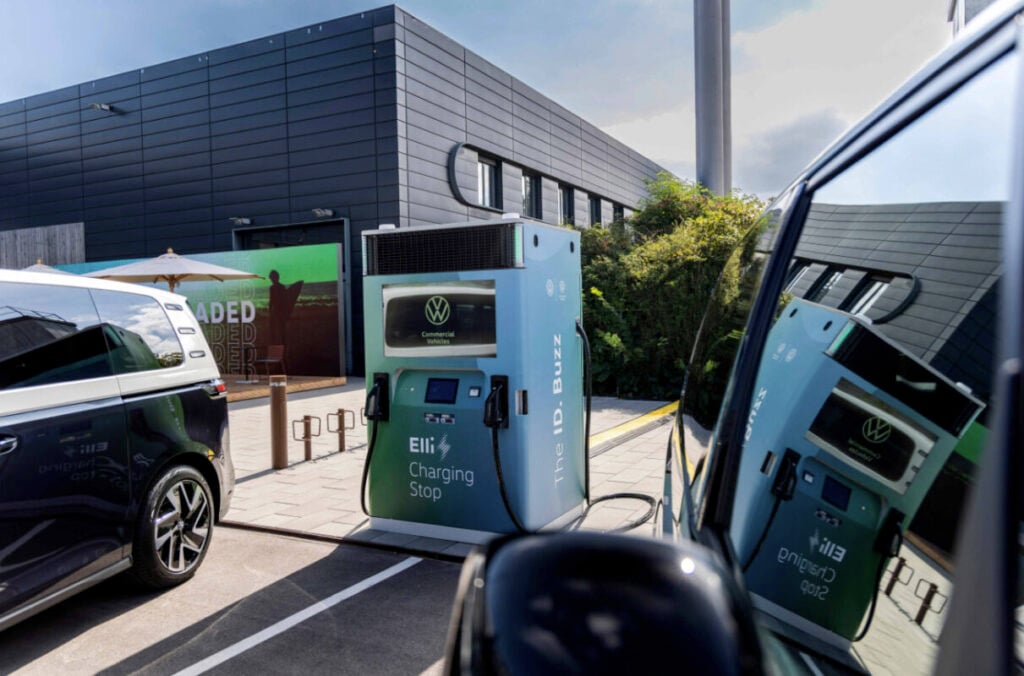
In the meantime, EV owners interested in participating should monitor updates from Volkswagen’s official V2G page and Elli’s energy services portal. The companies have not yet set a firm deadline for the initial enrollment window, but sources suggest it may open as early as Q3 2024.
For those unable to participate due to vehicle compatibility or regional limitations, alternative programs may offer similar benefits. For example, the Dutch energy provider Eneco offers a V2G pilot for Tesla Model 3 owners, while French utility Engie has launched a program for Renault Zoe drivers. A comparison of these initiatives is available in our dedicated V2G program guide.
Key Takeaways
Here’s what EV owners and energy stakeholders need to know about the Volkswagen-Elli V2G program:
- Eligibility: Limited to Volkswagen ID. series models with 55 kWh+ batteries and a compatible bidirectional charger.
- Compensation: Up to €720 annually, though exact amounts depend on usage, location, and grid demand.
- Infrastructure: Requires an approved charger (costs vary; subsidies may apply in some regions).
- Regional Focus: Initial rollout in northern and western Germany, with expansion planned for 2025.
- Broader Impact: Part of Germany’s push to integrate EVs into grid stabilization, with EU-wide mandates for V2G infrastructure by 2025.
- Challenges: High upfront costs for chargers and fragmented compensation models remain barriers to wider adoption.
The next major checkpoint for the program will be the publication of detailed enrollment guidelines by Volkswagen and Elli, expected in the coming weeks. In the meantime, industry experts recommend that potential participants research local grid operator policies and available subsidies to maximize their potential savings.
Have questions about V2G or the Volkswagen-Elli program? Share your thoughts in the comments below or connect with our team on Twitter or LinkedIn for updates.