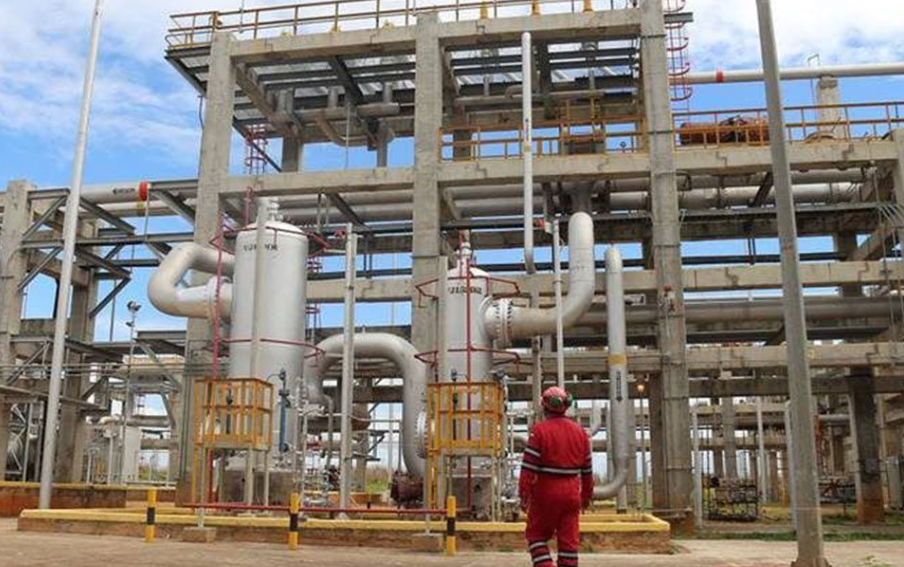
Bogotá, Colombia – A key energy partnership between Colombia and Venezuela is facing a potential setback as Venezuela’s state-owned oil company, PDVSA, is considering terminating its contract with Colombia’s Ecopetrol for the operation of the Antonio Ricaurte gas pipeline. The move, revealed by Colombian Energy Minister Edwin Palma Egea, stems from the deteriorating infrastructure and the financial challenges associated with its upkeep under the current agreement. This development casts a shadow over efforts to bolster energy cooperation between the two nations, even as limited gas imports have recently resumed across the border.
The Antonio Ricaurte pipeline, a crucial piece of infrastructure for potential gas trade, has suffered from years of underinvestment and neglect. PDVSA’s assessment is that the current commercial terms do not allow for the recovery of the necessary investments to rehabilitate the pipeline, according to Minister Palma Egea. Despite this, both companies have expressed a willingness to revisit the agreement next year, potentially adjusting pricing and timelines to make the project financially viable. This potential renegotiation highlights the complex interplay between economic realities and political will in the evolving energy relationship between Bogotá and Caracas.
Pipeline’s Future Tied to US Sanctions Relief
Colombia’s government views the full restoration of energy flows through the pipeline as directly dependent on the easing of sanctions imposed by the United States on Venezuela. Minister Egea emphasized the need to remove restrictions “to fully re-establish commercial relations,” and confirmed a key meeting with US government representatives on Monday, March 16th, to discuss this issue. Reuters reported on the situation, underscoring the international dimension of this bilateral energy issue.
The US government has recently issued licenses allowing companies to operate in Venezuela’s oil sector, a move seen as a potential step towards easing sanctions. However, the extent to which these licenses will facilitate the necessary investment in the Antonio Ricaurte pipeline remains to be seen. The pipeline’s future is therefore inextricably linked to the broader geopolitical landscape and the ongoing dialogue between Washington and Caracas.
Limited Gas Imports Resume Amid Pipeline Uncertainty
Despite the looming uncertainty surrounding the main gas pipeline, a limited resumption of gas imports from Venezuela has already begun. Since March 13th, private operators have been authorized to import 1.260.000 gallons of Venezuelan gas monthly through the border city of Cúcuta. Minister Palma Egea celebrated the arrival of the first shipment, stating that “we received the first molecule of gas, more than 100,000 liters, which is already benefiting around 800 homes, many of which still cook with wood.” Bloomberg.com detailed this initial step towards increased energy trade.
This initial flow of gas, while modest, represents a tangible benefit for communities along the border and signals a cautious optimism about the potential for expanded energy cooperation. However, the long-term sustainability of these imports hinges on resolving the issues surrounding the Antonio Ricaurte pipeline and securing broader US sanctions relief.
Monómeros and Gecelca: Further Complications in the Energy Landscape
Beyond the pipeline issue, the normalization of the Venezuelan company Monómeros is likewise on the agenda for Colombia. The Colombian government is hoping that the lifting of sanctions will allow the national financial sector to reactivate Monómeros’ accounts, enabling Ecopetrol to resume the sale of sulfur. Colombia has expressed its intention to acquire Monómeros, either through a public or mixed vehicle.
In this process, the company Gecelca is currently leading the technical and financial valuation tasks for a potential purchase. This move underscores Colombia’s strategic interest in securing a stake in Monómeros, a key player in the petrochemical industry. The successful acquisition of Monómeros would further strengthen Colombia’s position in the regional energy market and provide a valuable asset for Ecopetrol.
The Role of US Sanctions
The situation with both the gas pipeline and Monómeros highlights the significant impact of US sanctions on Venezuela’s energy sector and its ability to engage in regional trade. While the Biden administration has taken steps to ease some sanctions, particularly in the oil sector, further relaxation of restrictions is seen as crucial for unlocking the full potential of energy cooperation between Colombia and Venezuela. The upcoming meeting between Colombian officials and US representatives on March 16th will be a critical moment in determining the future trajectory of these efforts.
The complexities surrounding the Antonio Ricaurte pipeline and Monómeros demonstrate the delicate balance between economic interests, political considerations and international relations. The successful resolution of these issues will require sustained dialogue, flexibility, and a commitment to finding mutually beneficial solutions. The potential benefits of increased energy cooperation – including greater energy security, economic growth, and regional stability – are significant, but realizing these benefits will depend on navigating a challenging geopolitical landscape.
The current situation represents a pivotal moment for energy relations between Colombia and Venezuela. While challenges remain, the recent resumption of limited gas imports and the ongoing discussions regarding the pipeline and Monómeros offer a glimmer of hope for a more integrated and cooperative energy future. The outcome of these efforts will have far-reaching implications for both countries and the wider region.
Looking ahead, the next key development to watch will be the outcome of the meeting between Colombian officials and US representatives on March 16th. The results of that meeting will likely provide a clearer indication of the path forward for US sanctions relief and its impact on the Antonio Ricaurte pipeline and Monómeros. Readers are encouraged to follow updates from official government sources and reputable news organizations for the latest developments.
What are your thoughts on the potential for increased energy cooperation between Colombia and Venezuela? Share your comments below and join the conversation.
Worth a look