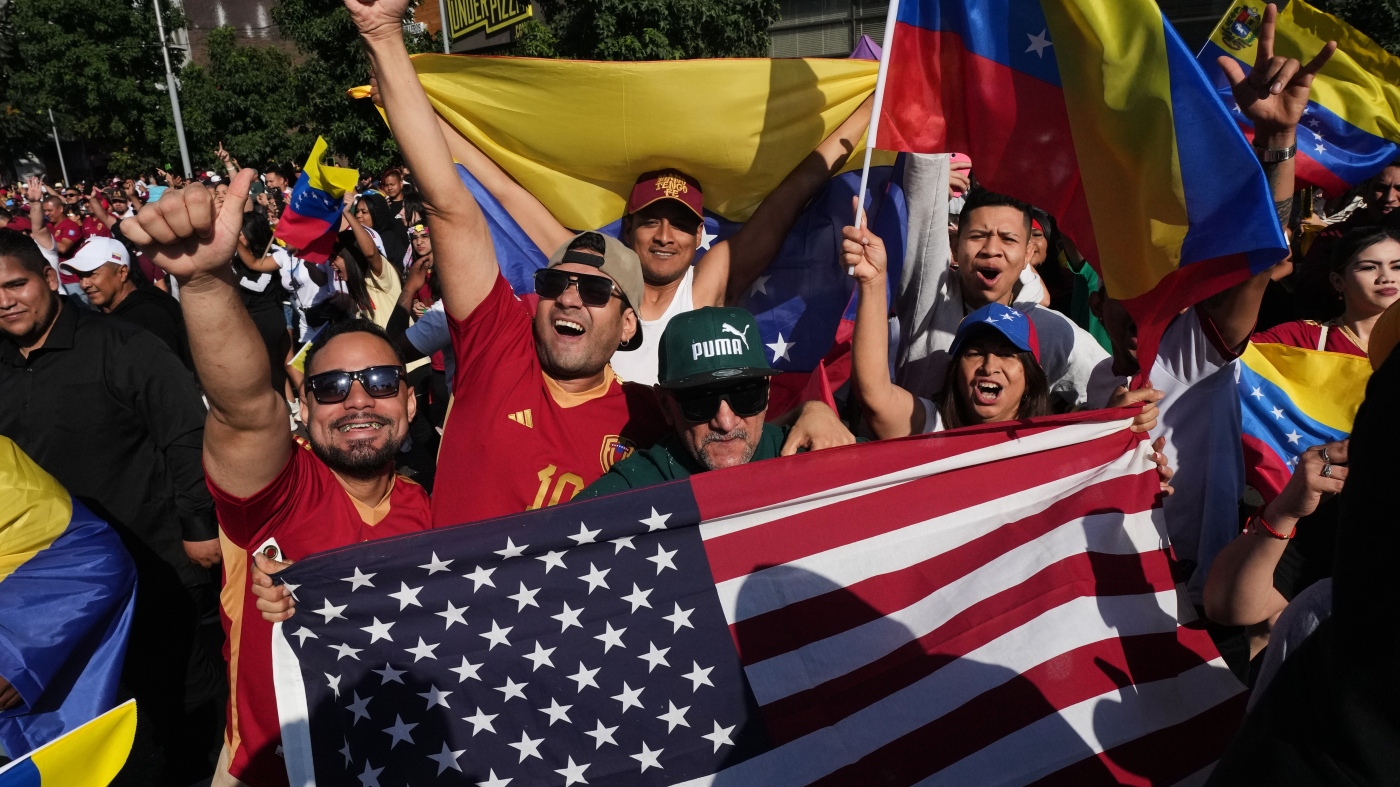
International Condemnation Mounts as U.S. Intervention in Venezuela Sparks Global Crisis
The recent U.S. military action in Venezuela, reportedly involving strikes against key infrastructure and the alleged seizure of President Nicolás Maduro, has ignited a firestorm of international condemnation. This intervention, undertaken without explicit international consensus, is raising serious questions about sovereignty, international law, and the future stability of Latin America. As a seasoned observer of geopolitical dynamics, I’ll break down the key reactions and what this means for you and the global landscape.
What Happened? A Rapid Escalation
Reports indicate a swift and decisive U.S. operation targeting Venezuelan assets. While details remain fluid, the core issue is the U.S. government’s long-standing disapproval of Maduro’s rule, especially following the disputed 2024 election widely considered fraudulent. This action represents a important escalation of pressure, moving beyond sanctions and diplomatic efforts to direct military involvement.
A Chorus of Disapproval: Regional Reactions
The response from Latin American nations has been overwhelmingly critical.
* Brazil: President Lula da Silva,despite a complex history with venezuela and its previous leadership,denounced the strikes as crossing “an unacceptable line” and establishing a “dangerous precedent.” He warned of a return to “the worst moments of interference” in the region.
* Mexico: Strongly condemned the action as a violation of the U.N. Charter, calling for an immediate cessation of aggression. However, President Trump’s subsequent comments regarding Mexico’s alleged control by drug cartels add another layer of complexity to the situation.
* Chile & Mexico: Echoed Brazil’s strong condemnation, emphasizing the need for a peaceful resolution.
* Cuba & Nicaragua: As staunch allies of Venezuela, these nations have been particularly vocal. Cuban President Miguel Díaz-Canel labeled the U.S.action “state terrorism” and urgently called for international intervention.Cuba’s economic vulnerability, heavily reliant on Venezuelan oil, makes the situation particularly precarious.
Global Powers Weigh In: Russia, China, and the EU
The crisis extends far beyond the Americas, drawing in major global players.
* Russia: Condemned the strikes,expressing solidarity with the Venezuelan people. The russian Foreign Ministry characterized the U.S.pretext for intervention as unfounded and the potential capture of maduro as an “unacceptable assault” on Venezuela’s sovereignty. While strongly critical,Moscow has so far refrained from more forceful challenges to the U.S., likely due to ongoing pressure from the Trump management.
* china: Issued a strong statement opposing the U.S.action, citing a violation of international law. Beijing expressed being “deeply shocked” by what it termed Washington’s “blatant use of force,” arguing it infringes on Venezuela’s sovereignty and threatens regional peace and security.
* European Union: EU Commission President Ursula von der Leyen expressed support for “a peaceful and democratic transition” in Venezuela,but notably stopped short of criticizing the U.S. attack itself. This cautious approach highlights the complex geopolitical considerations at play.
The United Nations and the Question of Legality
Venezuela has formally requested an emergency meeting of the U.N. Security Council, seeking to address the legality of the U.S. operation. U.N. Secretary-General Antonio Guterres has voiced his “deep alarm” and concern that “international law hasn’t been respected.” This raises critical questions about whether the intervention aligns with the principles of the U.N. Charter and international law regarding sovereignty and non-interference.
What’s Next? Navigating a Volatile Situation
The immediate future remains highly uncertain. Here’s what you should be watching for:
* U.N. Security Council Deliberations: The outcome of the emergency meeting will be crucial. A resolution condemning the U.S. action, even if vetoed by the U.S., would further isolate Washington on the international stage.
* Escalation risk: The potential for further military escalation remains a significant concern.A miscalculation or unintended result could rapidly worsen the situation.
* Humanitarian impact: The intervention is highly likely to exacerbate the already dire humanitarian crisis in Venezuela,possibly leading to increased displacement and suffering.
* Regional Instability: The crisis could destabilize the wider Latin American region, potentially emboldening other actors to challenge the established order
Related reading