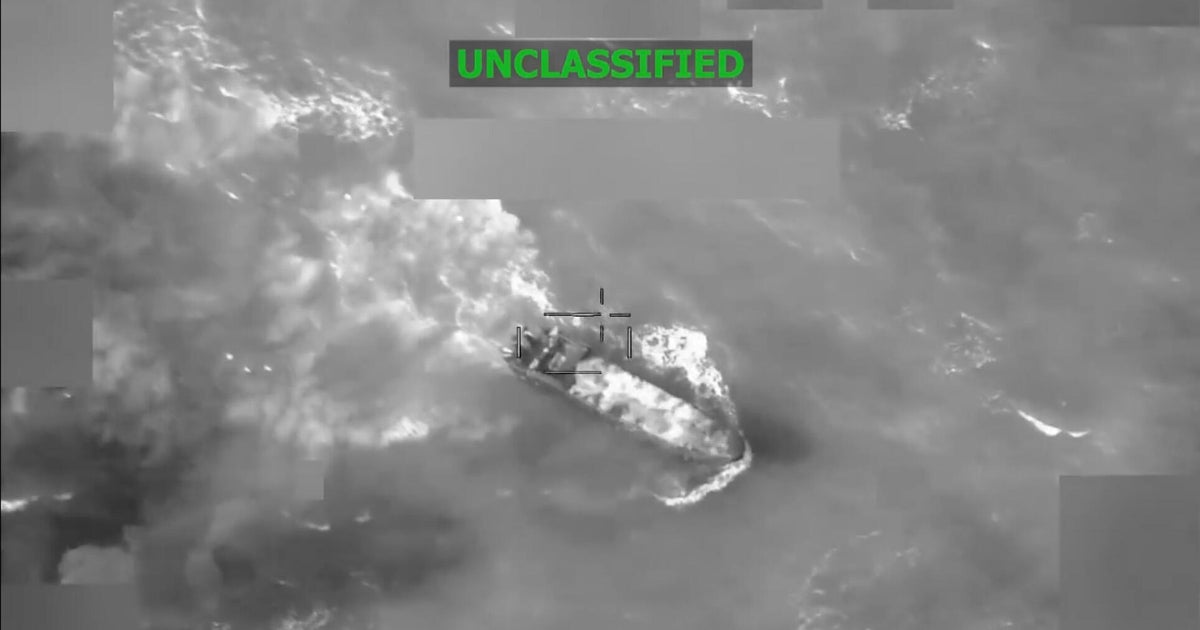
The House of Representatives recently voiced its support for potential military action against Mexican drug cartels, igniting a debate over presidential authority and congressional oversight. Louisiana Representative Clay Higgins affirmed the action is “certainly appropriate” and ”necessary to protect the United States and our interests.” This comes as lawmakers grapple with escalating concerns about fentanyl and other illicit drugs crossing the border.
During Wednesday’s floor debate, Representative Brian Mast, chairman of the House Foreign Affairs Committee, contended the president doesn’t require congressional authorization for “precise, limited strikes.” He framed it as a matter of national security and swift response capability.
However, the move isn’t without opposition. Representative Gregory meeks, the ranking member of the House Foreign Affairs Committee, sharply criticized the stance, stating the president risks becoming “the judge, jury and the executioner.” This highlights a fundamental disagreement over the balance of power between the executive and legislative branches.
These house votes followed unsuccessful attempts in the Senate to block former President Trump from initiating military operations against cartels without congressional approval. A further Senate vote is anticipated this week, signaling the issue remains far from settled.
I’ve found that these debates often center on the War Powers Resolution, a 1973 law intended to limit the president’s ability to commit the U.S. to armed conflict without congressional consent. Here’s a breakdown of the key points at play:
* Presidential Authority: Some argue the president has inherent authority to defend the nation,including taking action against threats emanating from abroad.
* Congressional Oversight: Others maintain that Congress holds the constitutional power to declare war and must be involved in decisions regarding military intervention.
* Defining “Imminent Threat”: A crucial point of contention is whether the activities of Mexican drug cartels constitute an “imminent threat” justifying unilateral presidential action.
* Potential escalation: Concerns exist that military intervention could escalate the situation, leading to broader conflict and unintended consequences.
You might be wondering what this means for you. Ultimately, this debate impacts national security policy, the relationship with Mexico, and the ongoing efforts to combat the drug crisis. It’s a complex issue with no easy answers, and the outcome will likely shape U.S.foreign policy for years to come.
here’s what works best when navigating these situations: staying informed about the arguments from both sides and understanding the potential ramifications of different courses of action.The situation is fluid, and continued engagement with the political process is vital.
Worth a look