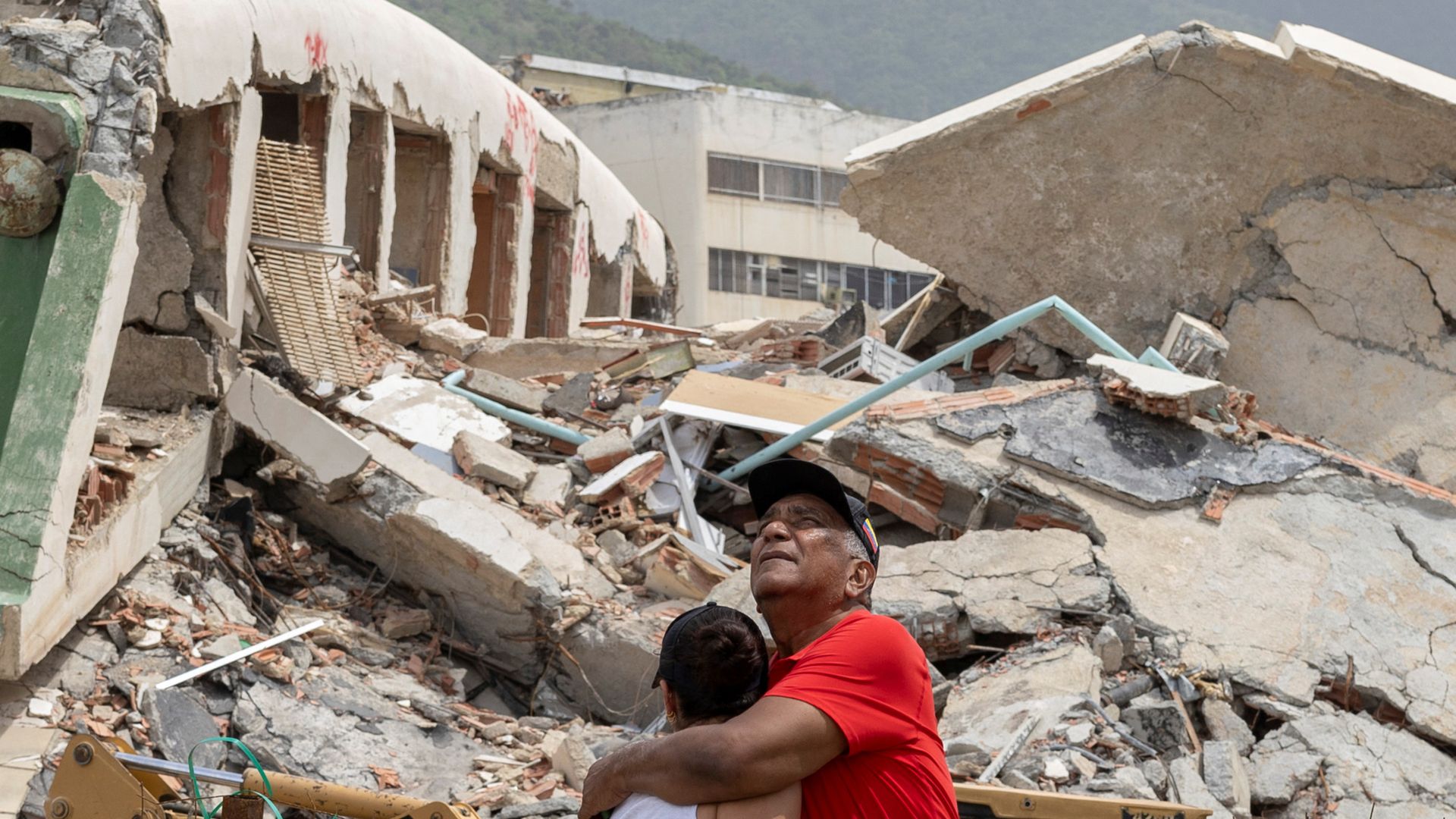
The death toll from the back-to-back earthquakes that struck Venezuela last month has risen to more than 4,300, according to the latest data provided by national emergency management authorities. The seismic events, which caused widespread structural collapse and infrastructure damage across the affected regions, have prompted a massive ongoing recovery operation led by the Venezuelan government in coordination with international humanitarian partners.
As of this week, officials have confirmed that the casualty count has surpassed 4,300, a figure that reflects the intensive search-and-rescue efforts conducted in the aftermath of the disaster. According to the United Nations Office for the Coordination of Humanitarian Affairs (OCHA), the scale of the destruction has severely strained local healthcare facilities and emergency response capacity in the hardest-hit provinces. The government of Venezuela has declared a state of emergency to facilitate the distribution of aid and the deployment of specialized search teams.
Humanitarian Response and Recovery
The humanitarian situation remains critical as thousands of displaced residents seek shelter in temporary camps. The International Federation of Red Cross and Red Crescent Societies (IFRC) has been working on the ground to provide medical supplies, clean water, and sanitation services to those affected by the seismic activity. Recovery efforts are currently focused on clearing debris from main transit routes to allow for the movement of heavy machinery and humanitarian aid convoys.
The government’s disaster response agency, Protección Civil, has confirmed that the search for survivors continues, though the window for finding individuals in the rubble has significantly closed. The focus has now transitioned toward long-term stabilization, including the assessment of damaged infrastructure and the provision of psychosocial support for survivors who have lost their homes and family members.
Seismic Activity and Regional Impact
The earthquakes, which occurred in rapid succession, triggered significant geological instability in the region. Seismologists from the Fundación Venezolana de Investigaciones Sismológicas (FUNVISIS) have documented the intensity of the tremors, noting that the combination of shallow depth and structural vulnerability in rural housing contributed to the high number of casualties. The total number of destroyed or severely damaged buildings is currently being cataloged by municipal authorities to determine the extent of the recovery and reconstruction requirements.
The economic impact of the disaster is expected to be significant, as the affected zones include critical agricultural land and local supply chain hubs. International aid organizations are continuing to monitor the situation, with many calling for sustained financial and logistical support to ensure that the recovery phase does not face delays due to resource shortages. The government has requested international assistance to bolster its domestic efforts, particularly in the areas of engineering and medical logistics.
Next Steps for Affected Communities
The next official update from the Venezuelan government regarding the total number of victims and the progress of the reconstruction plan is expected to be released during the upcoming session of the National Assembly. Authorities have established a public registry for families seeking information on missing relatives, and they continue to update this database daily as identification processes are completed.
Residents and international observers can monitor the Official Government Portal for verified updates on aid distribution, safety protocols, and the status of evacuation zones. As the recovery process enters its next phase, the focus will shift toward rebuilding essential services and restoring power to the most isolated communities. We invite our readers to share their thoughts and stay informed through our ongoing coverage of this developing situation.
Worth a look