
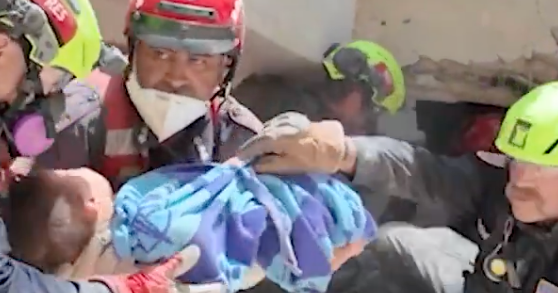
International search and rescue teams, including specialized units from the United States, are conducting intensive operations in Venezuela following a series of significant seismic events that have devastated local infrastructure. Footage verified by news organizations shows emergency responders successfully extracting a mother and her infant from the wreckage of a collapsed building, a rescue effort that has drawn international attention to the ongoing humanitarian response.
The deployment of U.S. personnel comes amid a broader mobilization of aid directed toward the affected regions. According to reports from the United States Agency for International Development (USAID), which manages federal disaster assistance, teams are working in coordination with local authorities to locate survivors trapped under debris. While the exact number of casualties remains fluid, regional officials have confirmed that the seismic activity has caused widespread structural failure and displacement across several municipalities.
Coordinated Response to Seismic Damage
The rescue of the mother and child, captured in widely circulated video footage, highlights the high-stakes environment in which rescue workers are operating. Such operations require specialized equipment, including acoustic listening devices and thermal imaging, to detect signs of life beneath concrete and steel. These efforts are part of a larger, multi-national mission aimed at stabilizing the area and providing immediate medical triage to those recovered from the rubble.
The current emergency response is governed by standard international disaster protocols, which prioritize the “golden window”—the first 72 hours following a disaster—to maximize the survival rate of trapped victims. According to the United Nations Office for the Coordination of Humanitarian Affairs (OCHA), logistics remain the primary challenge due to damaged roadways and communication blackouts in the hardest-hit zones. Governments involved in the relief effort are utilizing heavy-lift aircraft to transport search teams and medical supplies directly into the impact zone to bypass blocked ground routes.
Humanitarian Impact and Regional Stability
Beyond the immediate rescue operations, the seismic events have placed a significant strain on local healthcare systems that were already facing resource constraints. Hospitals in the vicinity of the quakes are reportedly operating at capacity, with international medical NGOs assisting in the establishment of field clinics to treat trauma and crush injuries. The scale of the destruction has necessitated a rapid influx of humanitarian aid, including potable water, sanitation kits, and temporary shelter materials for thousands of displaced residents.
As recovery efforts move into the next phase, experts emphasize the importance of structural assessments to prevent secondary collapses. According to the United States Geological Survey (USGS), aftershocks are a common occurrence following major tremors and can further compromise already weakened structures, posing a continuous risk to both survivors and rescue workers. Engineering teams are currently monitoring seismic data to establish safety perimeters in residential and commercial districts.
Ongoing Recovery and Future Coordination
The international community continues to monitor the situation as the search for missing persons progresses. Official updates regarding the status of the response are expected from the Venezuelan civil protection authorities and participating international partners. Families seeking information about missing relatives are being directed to centralized coordination centers established by local authorities in collaboration with the International Red Cross.

For readers looking to support relief efforts, humanitarian organizations advise donating to established agencies with active operations on the ground, such as the International Federation of Red Cross and Red Crescent Societies. These organizations provide regular updates on their websites regarding the most urgent needs, ranging from medical supplies to logistical support for rescue teams. The next briefing from regional emergency management agencies is scheduled for the coming 24 hours, during which officials are expected to provide a more comprehensive count of the affected population and the status of ongoing search operations.
If you have information regarding this unfolding situation or wish to share your perspective on the international response, please join the conversation in the comments section below.