
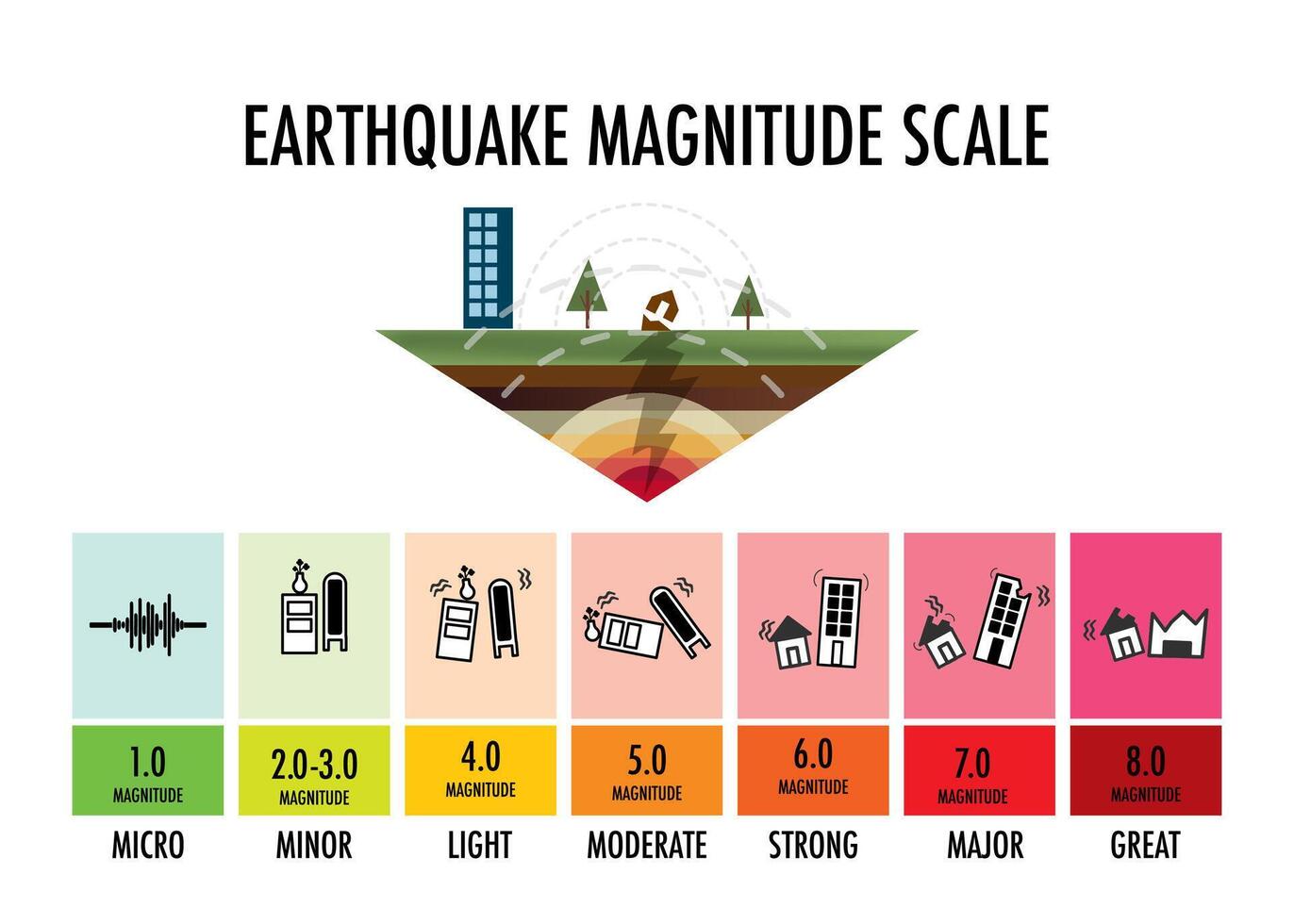
At least 32 people have been confirmed dead and more than 700 injured following a series of powerful earthquakes that struck Venezuela, according to interim government officials. The seismic activity, which included two major tremors measuring 7.2 and 7.5 in magnitude, caused widespread structural damage and triggered emergency response operations across the affected regions. Authorities report that the area has been hit by at least 20 aftershocks, complicating rescue efforts and increasing the risk to survivors in unstable buildings.
The situation remains fluid as emergency crews continue to search for individuals trapped beneath the rubble of collapsed homes and infrastructure. According to the United States Geological Survey (USGS), seismic activity in the Caribbean and northern South American tectonic plates requires constant monitoring, as the region’s complex fault lines are prone to high-magnitude events. While local officials coordinate the distribution of medical supplies and temporary housing, the scale of the destruction has prompted calls for international cooperation to manage the humanitarian impact of the disaster.
Emergency Response and Current Casualty Figures
The death toll and injury statistics provided by government spokespeople highlight the severity of the impact, particularly in densely populated areas near the epicenter. With over 700 people documented as injured, local hospitals are facing significant strain, struggling to process an influx of trauma cases while dealing with potential power outages and structural damage to medical facilities. The World Health Organization (WHO) emphasizes that in the immediate aftermath of such events, the priority remains the stabilization of critical infrastructure to ensure that emergency medical teams can operate safely.
Interim officials have declared a state of emergency in the most severely affected districts, allowing for the deployment of military and civil protection units to expedite search and rescue operations. Reports indicate that communication networks were briefly disrupted by the primary tremors, hindering the initial coordination of aid. As of the latest update, the government is working to establish secure zones for civilians displaced by the destruction of their homes, prioritizing the needs of vulnerable populations, including children and the elderly.
Seismic Context: Why Venezuela Faces High Risk
The occurrence of two major earthquakes in the same geographic area is consistent with the region’s historical seismic profile. Geologists often note that the interaction between the South American and Caribbean plates creates significant stress, which, when released, can result in cascading seismic events. The 20 reported aftershocks represent a standard, albeit dangerous, adjustment period following high-magnitude tremors. According to the International Union of Geodesy and Geophysics (IUGG), the primary danger during this period is the collapse of structures already weakened by the initial impacts, necessitating strict adherence to safety warnings from local authorities.
For residents in the affected zones, the immediate directive from emergency management agencies is to avoid damaged structures and follow designated evacuation routes. The government has advised the public to monitor official social media channels and radio broadcasts for updates on the stability of local bridges, roads, and utilities. The unpredictability of these geological shifts means that even minor tremors can pose a threat to those in proximity to damaged masonry or unstable cliff sides.
What Happens Next: Recovery and International Aid
Looking ahead, the focus will shift from immediate rescue to long-term recovery and the assessment of structural integrity across the impacted provinces. The government is expected to release a detailed damage assessment report within the coming days, which will determine the allocation of national emergency funds. International humanitarian organizations are currently evaluating the need for technical assistance, including structural engineers and specialized search equipment, to supplement local efforts.
The next official update is expected from the national civil protection agency within the next 24 hours. As recovery operations progress, citizens are encouraged to check on neighbors and report any further structural failures to local authorities. We will continue to provide verified updates as information becomes available. We invite our readers to share this information to ensure that essential safety guidance reaches those in need, and we welcome your perspectives in the comments section below regarding the regional response to this developing crisis.
Keep reading