
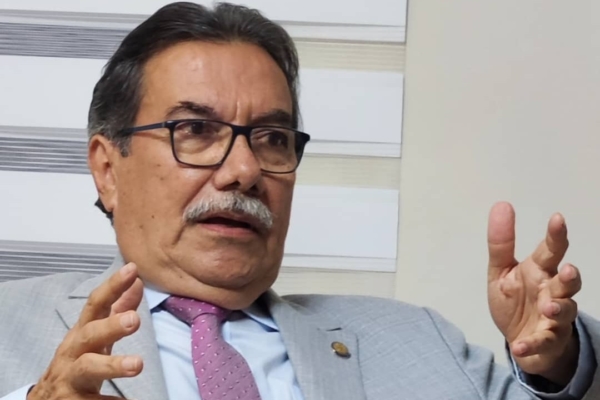
Economist Rafael Quiroz has confirmed that Venezuela imports approximately 110,000 barrels of gasoline daily to meet domestic demand, citing insufficient output from the nation’s refineries. According to his assessment, local refineries process only about 76,000 barrels per day, falling significantly short of the estimated 190,000 barrels needed to supply the country’s vehicle fleet.
The gap between domestic production and consumption — estimated at roughly 114,000 barrels per day — is bridged through fuel imports, primarily sourced from Russia and India. Quiroz noted that premium gasoline recently introduced in the Venezuelan market originates from the United States. These figures were shared during an interview with Fedecámaras Radio, where he emphasized that no meaningful upgrades have been made to refinery infrastructure in recent months.
Venezuela operates six refineries as part of its national refining park, but their combined capacity remains hampered by years of underinvestment and deferred maintenance. Quiroz stated that only minimal work has been carried out since the end of last year, which has not restored actual refining capacity. He argued that reversing the current deficit would require substantial, long-term investment to restore facilities to their former operational levels.
The economist warned that the situation cannot be resolved quickly, as rebuilding refining capacity demands significant capital and technical expertise. Despite ongoing discussions about energy sector recovery, he observed that inflows of investment have not yet reached the scale necessary to undertake major rehabilitation projects across the refinery network.
Quiroz also highlighted that the reliance on imported fuel exposes Venezuela to external supply fluctuations and foreign exchange pressures, particularly given the country’s strained fiscal environment. While the government has announced efforts to stabilize fuel distribution, including the rollout of premium gasoline variants, these measures do not address the underlying production shortfall.
His analysis aligns with broader assessments of Venezuela’s energy sector, where declining output has persisted for over a decade due to operational challenges, sanctions, and lack of upstream and midstream investment. The country, once a major oil exporter, now faces structural imbalances in its downstream operations that affect both energy security and public services.
As of the latest available information, no official timeline has been announced for comprehensive refinery upgrades. Quiroz reiterated that without sustained funding and technical partnerships, the gap between domestic refining capacity and national fuel demand is likely to persist, maintaining Venezuela’s dependence on imported gasoline to keep its transportation system functioning.