Venezuela at a Crossroads: A US-Backed Intervention and Its Ripple Effects
The recent developments in Venezuela, marked by a significant shift in power dynamics and reported military action, have ignited a firestorm of reactions across Latin America and beyond. While some hail it as a victory for freedom, others express deep concern over the implications of a US-backed intervention and the potential for prolonged instability. this article delves into the complexities of the situation, examining the diverse perspectives and potential consequences for Venezuela and the region.
A Divided Response in Latin America
The news of escalating events in Venezuela has exposed deep ideological divides within Latin America.The response has been anything but uniform.
* Chile’s President Gabriel Boric expressed concern, highlighting the need for a peaceful and negotiated solution.
* Argentina’s President Javier Milei, in stark contrast, celebrated what he termed the “liberation” of Venezuela, echoing sentiments shared by Chile’s president-elect, Antonio Kast.
* María Corina Machado, a prominent figure in the venezuelan opposition, voiced optimism, stating years of struggle were finally bearing fruit.
This divergence underscores the complex political landscape and the varying interpretations of what constitutes a positive outcome for Venezuela.It’s a situation fraught with ancient baggage and deeply held beliefs about sovereignty and intervention.
A History of Intervention
It’s crucial to remember that forced regime change in Latin America is not unprecedented. The last instance occurred in 1989 with the US ousting of Panamanian dictator Manuel Noriega – a figure initially supported by the US itself.This history casts a long shadow over current events, raising questions about the motivations and long-term goals of external actors.
Beyond Simple Narratives: The Need for Nuance
Experts caution against oversimplifying the situation. Sandra Borda, a professor of international relations at Universidad de los Andes in Bogotá, Colombia, emphasizes the importance of considering the potential consequences of armed intervention. She argues that a simple ousting of Maduro doesn’t necessarily equate to genuine regime change.
Borda suggests the US may prefer a ”puppet government” – one that remains under threat and reliant on external support – rather than undertaking the challenging and unpredictable process of building a sustainable democracy, especially in the wake of potential violence.
Eroding Sovereignty and Expanding US Influence
The situation raises concerns about a shift in the hemispheric doctrine of the US. Tomás Molina, a Colombian philosopher and professor, argues the US is increasingly asserting the right to use force against any group it labels a “cartel.” this broad definition, he warns, could allow the US to intervene in the affairs of sovereign nations under the guise of combating threats to its interests.
Molina publicly stated a return to true sovereignty for Venezuela is unlikely, as all decisions regarding the country’s resources and institutions will likely align with the interests of the US. this raises essential questions about self-determination and the future of Venezuelan independence.
the Human Cost: Voices from the Diaspora
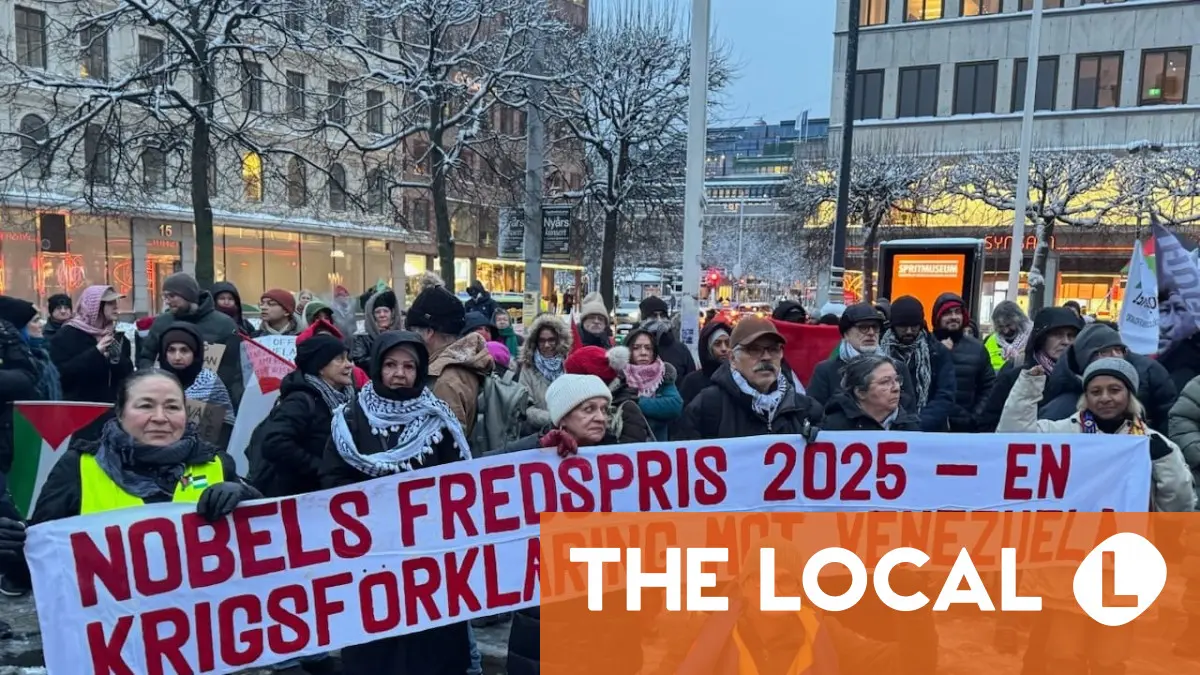
The impact of the unfolding events is deeply personal for Venezuelans living abroad. Reports of bombings in Caracas have triggered fear and anguish within the diaspora community.
* One Venezuelan in Stockholm recalled hearing the news while working, receiving a phone call confirming the attacks.
* Another expressed a feeling of dread upon waking up to reports of violence in their homeland.
These firsthand accounts underscore the human cost of political upheaval and the emotional toll it takes on those with ties to Venezuela.
A Path forward: Reconciliation and Dialog
Despite the deep divisions, a common thread emerges: a yearning for peace and reconciliation. Venezuelans on opposing sides recognize a mutual need for one another.
As Baldonedo, a member of the diaspora, eloquently stated, “There’s a great effort to be made by both sides if we are to reconcile amongst Venezuelans, we have been filled with hatred.” His message is clear: peace, dialogue, and reconciliation are essential for a stable and prosperous future for Venezuela.
This is a developing story. We will continue to provide updates and analysis as the situation unfolds.
Disclaimer: This article provides analysis and commentary based on available information as of [Date]. The situation in Venezuela is fluid and subject to change.