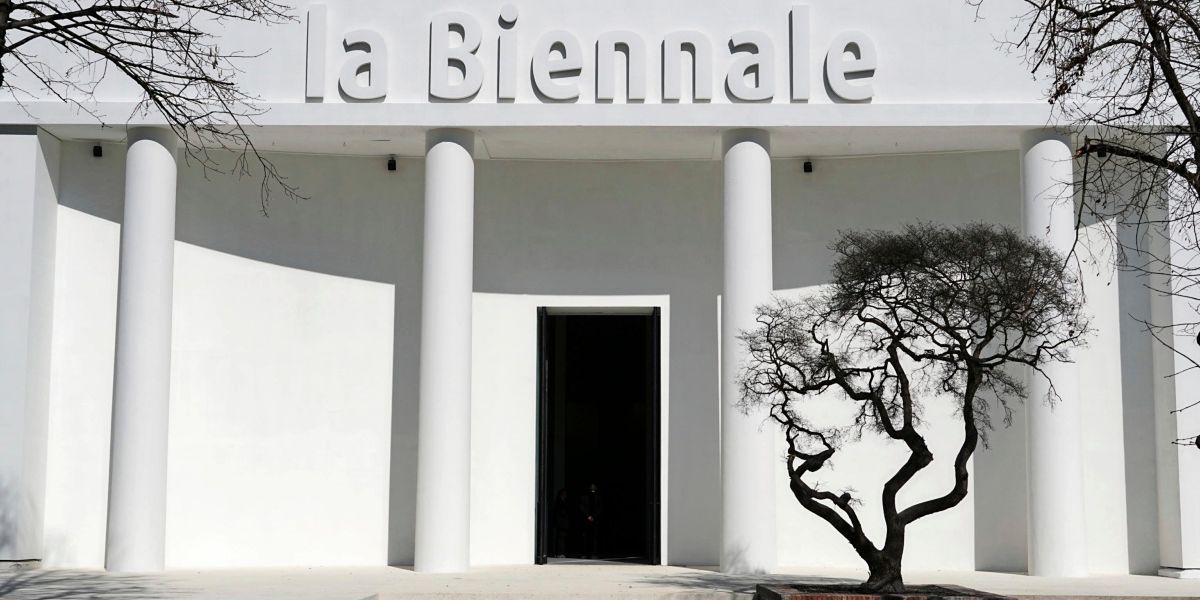
Venice, Italy – A wave of protest has swept through the art world following the complete resignation of the jury for the 2026 Venice Biennale, one of the most prestigious international art exhibitions. The unprecedented move, confirmed on April 30, 2026, stems from deep dissatisfaction with the Biennale’s decision to allow Russia to participate despite the ongoing war in Ukraine. The resignation underscores the growing ethical debate surrounding cultural engagement with Russia and the complexities of navigating artistic expression amidst geopolitical conflict.
The Biennale, scheduled to run from May 9 to November 22, 2026, had previously faced criticism for reinstating Russia’s participation after a period of exclusion following the full-scale invasion of Ukraine in 2022. While Russia was not formally banned, the 2022 edition saw individuals linked to the Russian government barred from participation. In 2024, Russia leased its pavilion to Bolivia, effectively remaining absent from the event. However, the inclusion of Russia on the list of participating countries for 2026 ignited a firestorm of condemnation from governments, artists, and cultural institutions across Europe and beyond.
Jury Cites Lack of Authority to Influence Biennale’s Decision
The jury’s resignation letter, reported by multiple news outlets including Der Standard, ORF, and Die Zeit, explicitly stated their lack of authority to influence the Biennale’s decision regarding Russia’s participation. According to Die Presse.com, the jury felt their position was untenable given the Biennale’s stance. The collective resignation is a powerful statement of dissent, signaling a fundamental disagreement with the Biennale’s approach to the situation. The jury’s decision highlights the ethical dilemma faced by cultural organizations grappling with how to respond to the actions of the Russian government.
The Italian government, led by Prime Minister Giorgia Meloni, has publicly opposed Russia’s presence at the Biennale. Lithuania’s foreign minister also voiced strong objections, describing the decision as “abject.” A cross-party group of Members of the European Parliament (MEPs) further amplified the criticism, publishing a letter condemning Russia’s participation as “unacceptable” and warning that it risked legitimizing a regime responsible for ongoing violence and damaging the Biennale’s reputation. The MEPs’ letter, as reported by Euronews, emphasized the moral implications of allowing Russia to participate in a prominent international cultural event while continuing its military aggression in Ukraine.
Ukraine Condemns Biennale’s Decision as “Whitewashing War Crimes”
The strongest condemnation has arrive from Ukraine itself. Ukrainian Foreign Minister Andrii Sybiha issued a blistering statement, calling for Russia’s exclusion from the Biennale and accusing the event of attempting to “whitewash the war crimes that Russia commits daily against the Ukrainian people and our cultural heritage.” Sybiha argued that Russia “openly uses culture as an instrument of political influence” and accused the Biennale of reneging on its previous support for Ukraine, referencing the Ukraine-focused installation mounted in the Giardini in 2022. This installation served as a direct response to the Russian invasion and a demonstration of solidarity with Ukraine.
The Biennale’s decision to allow Russia’s return has sparked a broader debate about the role of art and culture in times of political conflict. Critics argue that allowing Russia to participate provides a platform for propaganda and normalizes a regime accused of widespread human rights abuses. Supporters of the Biennale’s decision, however, maintain that art should transcend politics and that excluding Russia would be a form of censorship. This perspective suggests that maintaining open dialogue, even with nations engaged in conflict, is crucial for fostering understanding and promoting peace.
Historical Context: Russia’s Previous Participation and Exclusion
Russia’s participation in the Venice Biennale has a complex history. The country has been a regular participant in the event for decades, showcasing the work of prominent Russian artists. However, following the annexation of Crimea in 2014, Russia’s presence at the Biennale became increasingly controversial. The full-scale invasion of Ukraine in 2022 led to a more decisive response, with the Biennale initially barring individuals linked to the Russian government.
The decision to allow Russia to return in 2026 represents a significant shift in approach. While the Biennale has not explicitly endorsed the Russian government’s actions, critics argue that allowing Russia to participate sends a mixed message and undermines international efforts to isolate the country. The situation is further complicated by the fact that Russia has sought to maintain diplomatic ties with countries outside of the Western alliance, as evidenced by its leasing of its pavilion to Bolivia in 2024.
What We Know About Russia’s Planned Pavilion
Details regarding the Russian pavilion’s exhibition for the 2026 Biennale remain scarce. As of April 30, 2026, We see unclear what artwork will be displayed or what message the Russian delegation intends to convey. The lack of transparency surrounding the pavilion’s content has fueled further criticism and speculation. The Biennale organizers have not yet released a detailed statement outlining the selection process for the Russian exhibit or addressing the concerns raised by critics.
The controversy surrounding Russia’s participation raises fundamental questions about the Biennale’s role as a platform for international dialogue and cultural exchange. The event has long been celebrated for its commitment to artistic freedom and its ability to showcase diverse perspectives. However, the decision to allow Russia to participate, despite its ongoing aggression in Ukraine, has cast a shadow over these values and sparked a crisis of confidence within the art world.
The Future of the Biennale and International Cultural Exchange
The resignation of the jury is likely to have far-reaching consequences for the Biennale. The event will now need to appoint a new jury, a process that could be fraught with challenges given the controversy surrounding Russia’s participation. The Biennale’s organizers will also face increased pressure to address the concerns raised by critics and to demonstrate a commitment to ethical principles.
The situation in Venice is emblematic of a broader trend in the cultural world, as organizations grapple with how to respond to geopolitical conflicts. The debate over whether to engage with Russia, or to isolate the country culturally, is likely to continue for the foreseeable future. The Biennale’s experience will serve as a case study for other cultural institutions facing similar dilemmas.
The next step will be the Biennale’s announcement of a new jury and a detailed plan for addressing the concerns raised by Ukraine and other critics. The art world will be watching closely to witness how the Biennale navigates this challenging situation and whether it can reaffirm its commitment to artistic freedom and ethical principles. The future of international cultural exchange may well depend on it.
Do you think the Biennale made the right decision in allowing Russia to participate? Share your thoughts in the comments below.
Related reading