Navigating France’s Political Crossroads: the Bayrou confidence Vote adn Macron’s Challenges
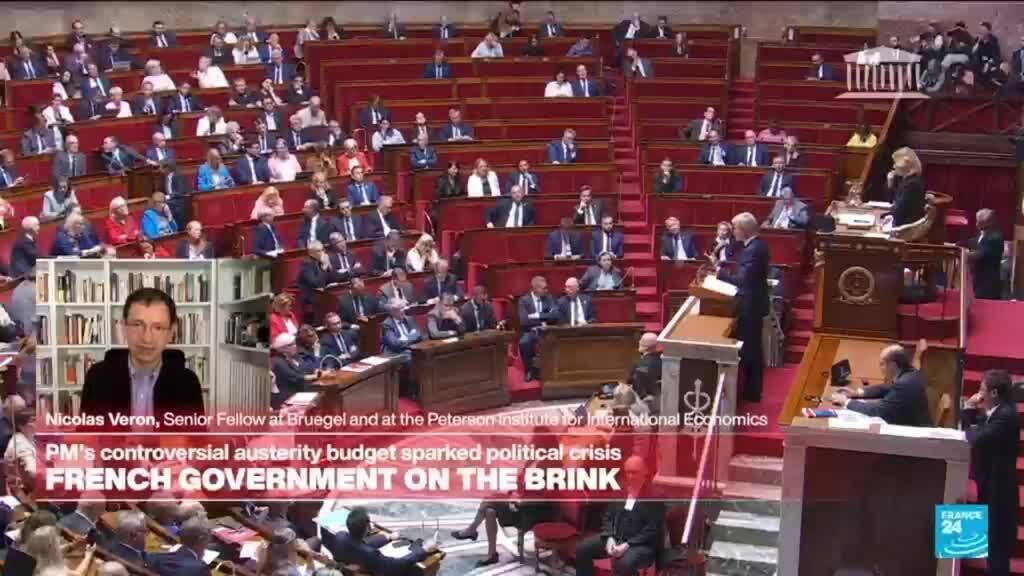
France is currently experiencing a notable period of political instability as François Bayrou, the nation’s Finance Minister, initiated a vote of confidence in himself on September 8th, 2025. This unexpected move, occurring less than a year into his appointment, has thrown President Emmanuel Macron’s management into turmoil and intensified scrutiny over the proposed €44 billion austerity budget. The situation represents a critical juncture for the French government,demanding a careful examination of the underlying causes,potential outcomes,and broader implications for the nation’s economic and political landscape.
The Unexpected Confidence Vote: A Strategic Maneuver?
Bayrou’s decision to proactively call for a confidence vote was a surprising development,particularly given the potential risks involved. Rather than facing a forced vote initiated by opposition parties, he opted to directly confront the deadlock surrounding his aspiring austerity plan. This strategy suggests a calculated attempt to either secure unequivocal support for the budget or, alternatively, to force a clear reckoning and perhaps pave the way for a reshuffle within the government.
The €44 billion austerity budget, intended to address France’s persistent public debt and fiscal deficit, has sparked considerable controversy. Critics argue that the proposed cuts will disproportionately impact vulnerable populations and stifle economic growth. recent data from the INSEE (institut National de la Statistique et des Études Économiques) released in August 2025, indicates that France’s public debt stands at approximately 112% of GDP, exceeding the European Union’s recommended threshold of 60%. This financial pressure is a key driver behind the need for fiscal consolidation, but the method chosen by Bayrou is proving deeply divisive.
Expert Analysis: Decoding the Economic and Political Landscape
to gain deeper insight into the unfolding situation,FRANCE 24’s annette Young consulted Nicolas Véron,a renowned French economist and Senior Fellow at Bruegel and the Peterson Institute for International Economics. Véron highlighted the precariousness of Macron’s position, noting that the confidence vote is not solely about the budget itself, but also about the broader power dynamics within the government and the President’s ability to maintain control.
“This is a high-stakes gamble for Bayrou and macron,” Véron explained.”The budget is merely the catalyst. The real issue is whether Macron can still effectively navigate the complex political landscape and deliver on his economic agenda.”
“The current situation underscores the challenges facing France in balancing fiscal obligation with social equity. The austerity measures, while necessary from a long-term viewpoint, risk exacerbating existing inequalities and fueling social unrest.”
The timing of this crisis is particularly sensitive. France is preparing to host a major international climate summit in late 2025, and political instability could undermine the nation’s credibility on the global stage. Furthermore,the rise of far-right political parties,as evidenced by recent polling data from Ipsos (September 2025),presents a significant challenge to Macron’s centrist government. These parties are capitalizing on public discontent and advocating for choice economic policies.
Potential Outcomes and Implications for France
The outcome of the confidence vote remains uncertain. Several scenarios are possible:
Prosperous Vote: If Bayrou secures a majority, it would strengthen his position and provide a mandate for implementing the austerity budget. However, even in this scenario, the government would likely face continued opposition and potential social unrest.
Failed Vote: A failed vote would almost certainly lead to Bayrou’s resignation and potentially trigger a broader government reshuffle. Macron might be forced to seek a coalition partner or even call for early legislative elections.
* Compromise: A negotiated compromise between the government and opposition parties could emerge, resulting in a modified austerity budget that addresses some of the concerns raised by critics.
Nonetheless of the immediate outcome, the current crisis underscores the fragility of Macron’s political position and the deep divisions within French society.The situation highlights the difficulties of implementing structural economic reforms in a country with a strong tradition of social welfare and state intervention.