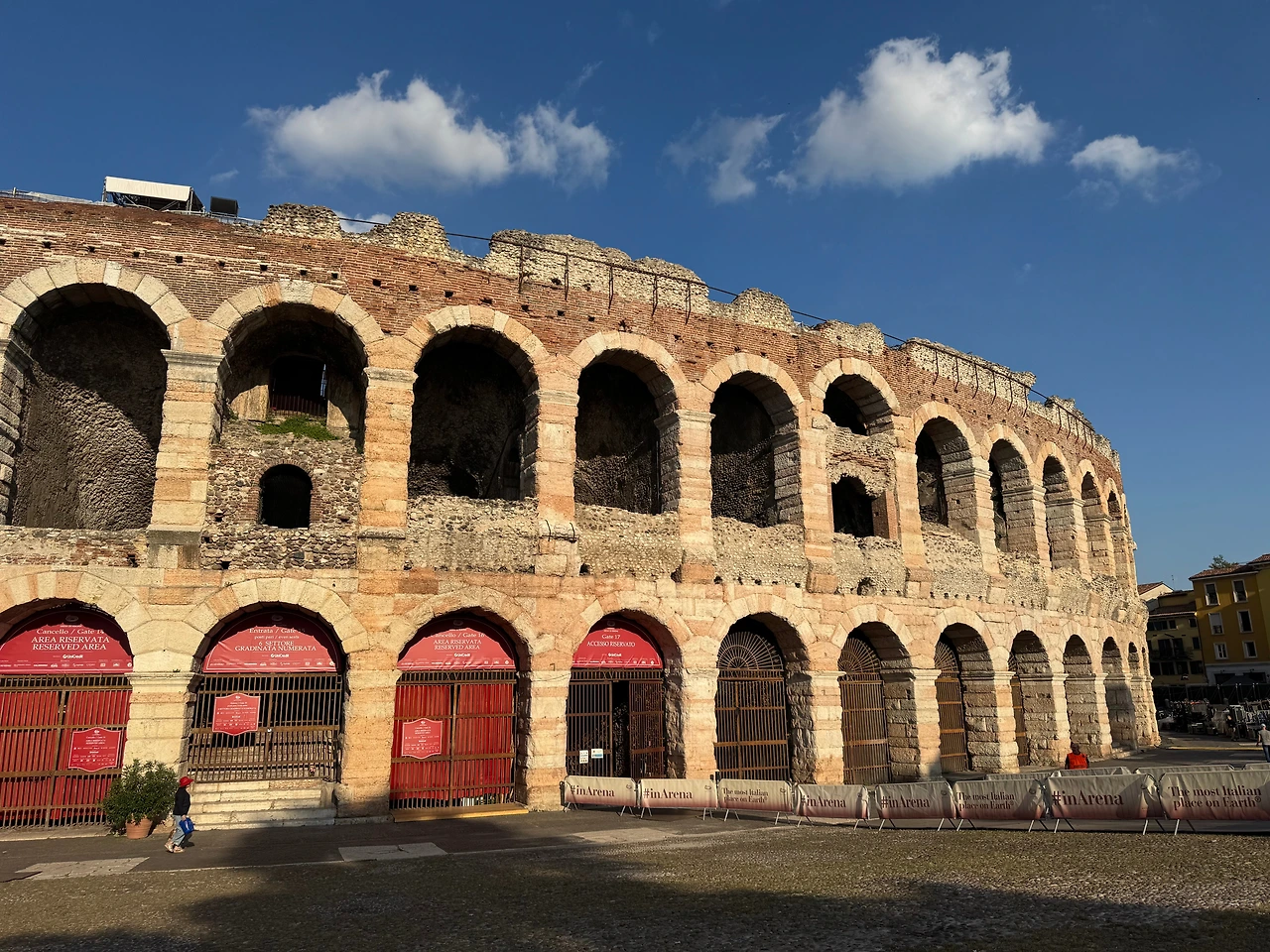
Verona, a city in Italy’s Veneto region, serves as a primary hub for international travelers seeking to explore the historical intersection of Roman architecture and literary heritage. The city is defined by the Verona Arena, a first-century Roman amphitheater, and the 14th-century residence known as Casa di Giulietta, which draws millions of visitors annually due to its association with William Shakespeare’s Romeo and Juliet, according to the official tourism portal of the City of Verona.
For groups planning excursions through Northern Italy, Verona often acts as a logistical anchor point. Traveling in larger parties, such as a group of eight, requires careful navigation of the city’s pedestrian-heavy historic center and the management of local seasonal crowds. While group travel offers shared experiences, it also presents challenges in coordinating schedules and managing the varying interests of family members or travel companions, a common reality for visitors exploring Italian heritage sites.
The Verona Arena and Roman Architectural Legacy
The Verona Arena remains one of the best-preserved ancient structures in the world. Built in the 1st century AD, the amphitheater originally hosted gladiatorial games and could accommodate approximately 30,000 spectators, as noted by the Fondazione Arena di Verona. Today, the venue is globally recognized for its annual opera festival, which utilizes the site’s natural acoustics. For travelers, understanding the operational schedule of the Arena is essential, as the site transitions between active performance space and historical monument depending on the time of year.

Managing a group of eight requires advanced planning regarding entry tickets and seating. The Arena’s administration advises that large groups should book well in advance, particularly during the peak summer opera season, to ensure cohesive placement within the stone tiers. Visitors should also note that the site enforces strict security protocols regarding bag sizes and prohibited items, details of which are updated regularly on the official Arena information page.
Navigating Casa di Giulietta
The Casa di Giulietta, located on Via Cappello, is one of the most visited sites in Verona. While the structure dates back to the 13th century and features the iconic balcony, the connection to Shakespeare’s play is largely a product of historical tourism and local tradition rather than verified history, according to the Civic Museums of Verona. The site includes a courtyard where visitors gather to view the statue of Juliet and the balcony itself.

For groups, the narrow confines of the courtyard can lead to significant congestion. Local authorities in Verona have implemented timed entry systems to manage foot traffic, and visitors are encouraged to check the city’s cultural heritage website for current reservation requirements. Because the site is a major cultural landmark, arriving early in the morning is frequently recommended by local tourism boards to avoid the peak mid-day tourist density.
Managing Group Dynamics on the Road
Traveling with eight individuals often necessitates a structured approach to daily itineraries. According to travel advisory data from the Italian National Tourist Board (ENIT), groups visiting Northern Italy are encouraged to utilize the region’s robust rail network rather than attempting to navigate historic city centers by car. Verona’s ZTL (Zona a Traffico Limitato) restricts vehicle access in the city center to authorized residents, meaning that large groups arriving by private transport must arrange for peripheral parking.
Effective group travel in Italy relies on balancing planned cultural visits with unstructured downtime. Experts in group logistics often suggest delegating responsibilities, such as dining reservations and ticket management, to prevent the friction that can occur when eight people attempt to make spontaneous decisions in crowded urban environments. Consistent communication regarding the day’s meeting points and expectations remains the most effective strategy for maintaining group cohesion during a multi-city Italian tour.
Practical Planning for Your Visit
Before finalizing travel arrangements to Verona, visitors should consult the City of Verona’s official visitor services for the most recent updates on site accessibility, public transport changes, and any temporary closures of historical landmarks. As of the current season, the city continues to update its visitor management policies to accommodate the high volume of international tourism while preserving the structural integrity of its Roman-era sites.

Travelers are encouraged to monitor official channels for any updates regarding entrance fees or changes to operating hours for the upcoming festival season. Please share your experiences or questions regarding group travel in Northern Italy in the comments section below.